DDP vs DDU Shipping From China: Which Incoterm Should You Use?.

DDP means the seller pays duty, VAT, and clearance; DDU (now DAP) leaves them with the buyer. Full cost comparison, risk breakdown, and a decision framework for China imports.

Tyler Yang
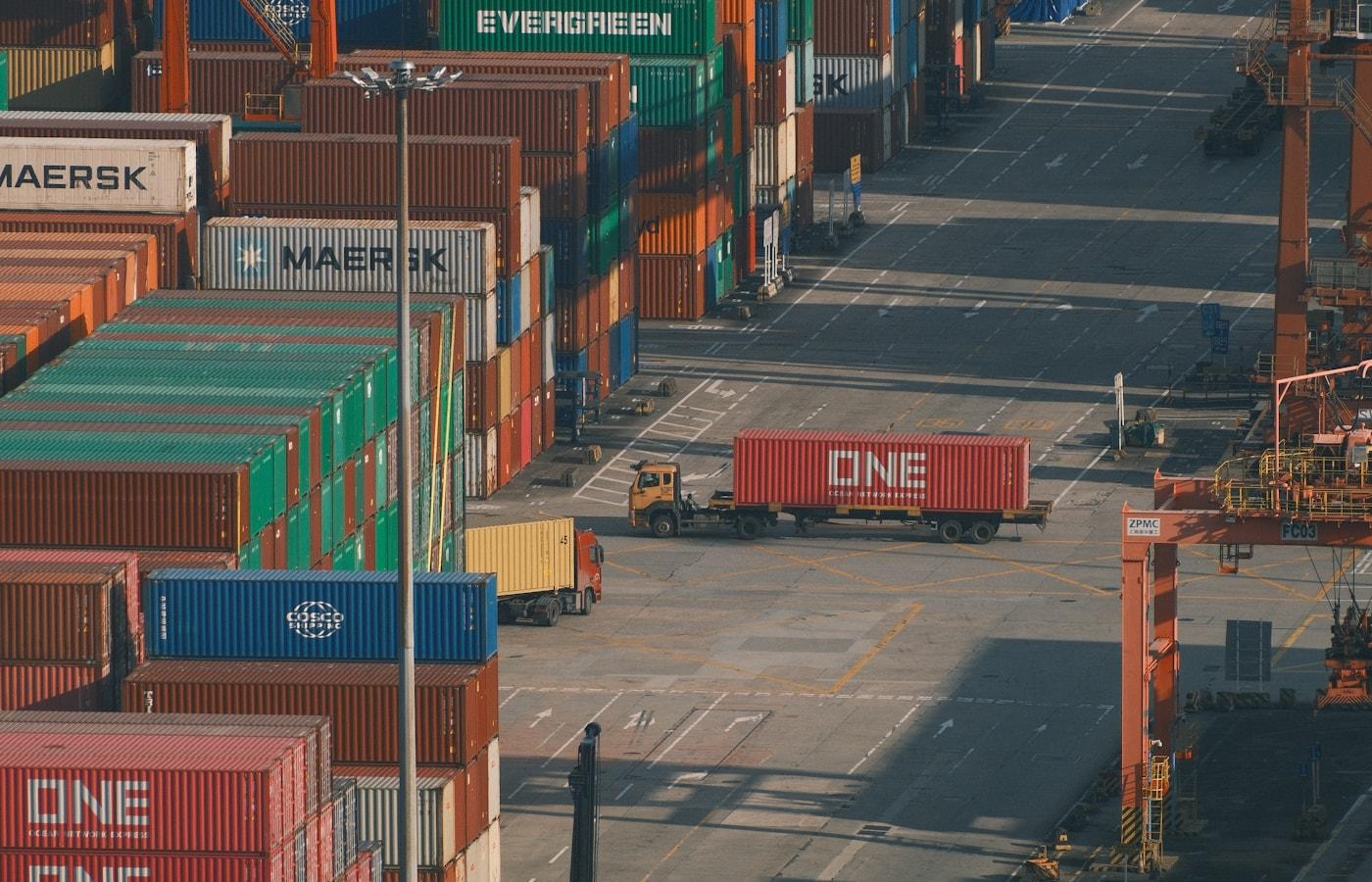
Shipping containers stacked high at a busy container port, awaiting customs clearance and final delivery
11 / SHIPPING GUIDE
Key takeaways.
  • 01DDP (Delivered Duty Paid): the Chinese seller or their forwarder pays import duty, VAT, and clearance — the buyer receives goods with zero customs involvement
  • 02DDU was replaced by DAP in Incoterms 2010/2020, but the trade still quotes 'DDU': goods delivered to your door, duty and VAT unpaid — you clear and pay
  • 03DDP quotes from China typically run 10–20% above DDU on the same shipment because they bundle destination duty, VAT, and clearance risk into one price
  • 04DDU exposes buyers to surprise costs: EU import VAT of 19–27% plus duty, US tariffs of 25%+ on many China-origin goods, and €50–150 broker fees per entry
  • 05Rule of thumb: first-time and e-commerce importers should buy DDP; established importers with their own customs broker and VAT registration usually save money on DDU/DAP

DDP and DDU in one minute

DDP (Delivered Duty Paid) is the maximum-obligation Incoterm for the seller: the Chinese supplier or their freight forwarder handles export clearance, international freight, import clearance, duty, VAT, and final delivery to your named address. You pay one all-in price and never touch a customs form.

DDU (Delivered Duty Unpaid) was formally retired by the ICC and replaced by DAP (Delivered At Place) in Incoterms 2010, carried through unchanged into Incoterms 2020 — but Chinese suppliers and forwarders still quote 'DDU' daily, and it means the same thing in practice: goods arrive at your named place, transport paid, but import duty, VAT, and customs clearance are your problem. Every 'DDU' quote you receive from China today is legally a DAP contract.
Who pays what: the cost split line by line

The freight legs are identical under both terms — Chinese export clearance, origin haulage, ocean or air freight, and destination delivery are seller-paid either way. The split happens at the destination border.

Under DDP the seller pays: import customs clearance (€50–150 per entry in the EU, $125–250 in the US via a customs broker), import duty (0–12% on most consumer goods into the EU; 25%+ into the US where Section 301 tariffs apply to China-origin goods), import VAT (19% Germany, 21% Netherlands, 23% Ireland and Poland, 27% Hungary), and any excise or anti-dumping duties. Under DDU/DAP every one of those lines transfers to the buyer, payable before the carrier releases the goods.

Worked example: 500 kg of consumer electronics, Shenzhen to Dublin

Take a €10,000 (CIF value) LCL shipment of consumer electronics accessories from Shenzhen to Dublin. Duty at 3.7% adds €370. Irish import VAT at 23% applies on goods value plus duty plus freight — roughly €2,450. Broker clearance adds about €95. Total destination charges: approximately €2,915.

A DDU quote might show €1,450 freight — it looks cheap until the €2,915 destination bill lands with a 5-day payment deadline before storage charges start at €80–120/day. A DDP quote of €4,600 all-in looks expensive but is €235 cheaper than the DDU total, because a forwarder clearing hundreds of entries monthly gets better broker rates and can defer VAT through postponed accounting. The pattern repeats across most lanes: DDP's premium is smaller than the destination charges it absorbs — the buyer is paying for certainty, not markup.

Risk allocation: where each term can hurt you

Under DDP the seller carries risk until goods are delivered — including customs holds, misclassification penalties, and duty underpayment. That is powerful protection for the buyer, but it has a known failure mode: some low-cost DDP operators under-declare values to win on price. If customs re-assesses the entry, the importer of record — often left undefined in sloppy DDP arrangements — faces back-duties and penalties. Work only with forwarders who declare true transaction values and can show you the entry documents.

Under DDU/DAP the buyer carries all import-compliance risk. Get the HS code wrong and you overpay duty or face penalties; miss the payment deadline and storage charges compound daily; lack an EORI number (EU) or import bond (US) and the shipment sits at the port. The term is only cheaper if you have the infrastructure to execute clearance properly.

E-commerce and FBA: where the choice is usually made for you

Amazon will not act as importer of record. Every FBA shipment from China into the EU or US must arrive duty-paid with the seller (or their forwarder) as importer — which makes DDP effectively mandatory for FBA sellers. A shipment arriving DDU at an Amazon fulfilment centre will be refused.

For direct-to-consumer parcels, the EU's IOSS scheme collects VAT at point of sale for consignments up to €150, and the US Section 321 de minimis allows duty-free entry up to $800 per consignee per day — both sit alongside DDP-style logistics where the seller manages the border. For B2B replenishment into your own warehouse, the choice stays open and the decision framework below applies.

Decision framework: which term to buy

  • 01Choose DDP if you are a first-time importer, ship under 10 containers per year, or sell on FBA — one invoice, no customs exposure, predictable landed cost
  • 02Choose DDP if you import into a country where you hold no VAT registration or EORI number — clearing as a non-established importer is slow and expensive
  • 03Choose DDU/DAP if you have your own customs broker, VAT registration with postponed accounting, and volume above roughly 20 containers per year — direct duty payment typically saves 3–8% of landed cost
  • 04Choose DDU/DAP if your goods carry licensing or inspection requirements (medical devices, food-contact materials, radio equipment) that you must control in your own name
  • 05Whichever term you buy, demand the customs entry documents — under DDP to verify true-value declaration, under DDU to audit broker charges — and ask your forwarder to quote both terms side by side so the destination-cost delta is explicit

The bottom line

DDP buys certainty: one price, seller-side compliance, no border surprises — usually at a 10–20% headline premium that shrinks or disappears once real destination charges are counted. DDU/DAP buys control: direct duty payment, your own broker relationships, and structural savings at volume — in exchange for owning the compliance work.

Most China-sourcing businesses migrate along a predictable path: start on DDP while volumes are small and attention belongs on product and sales, then shift core lanes to DAP once monthly volumes justify a broker relationship and VAT infrastructure. A capable China-side forwarder will quote both and tell you honestly which side of the line you are on.

Frequently asked questions.

Q01
What is the difference between DDP and DDU shipping?

Under DDP the seller pays import duty, VAT, and customs clearance and delivers goods to your door with everything settled. Under DDU (officially DAP since Incoterms 2010) the goods are delivered but the buyer must clear customs and pay all import duties and taxes before release.

Q02
Is DDU still a valid Incoterm in 2026?

Not officially — the ICC replaced DDU with DAP (Delivered At Place) in Incoterms 2010 and kept DAP in Incoterms 2020. The term DDU survives in everyday freight quotes from China and means the same thing commercially; contracts should reference DAP Incoterms 2020 for legal precision.

Q03
How much more expensive is DDP than DDU from China?

DDP quotes typically run 10–20% above DDU on the same shipment, but the comparison is misleading: DDP already includes duty (0–25%+ depending on product and destination), import VAT (19–27% in the EU), and clearance fees that a DDU buyer pays separately. On total landed cost, DDP is often within a few percent of DDU — and sometimes cheaper for small importers.

Q04
Who is the importer of record under DDP from China?

Under DDP the seller or their appointed forwarder acts as importer of record, using an EU-established indirect representative or a US customs bond as required. Confirm this in writing before shipping — a DDP arrangement where the importer of record is undefined exposes the buyer to re-assessed duties if customs challenges the entry.

Q05
Can I use DDU for Amazon FBA shipments?

No. Amazon refuses to act as importer of record, so FBA shipments arriving with unpaid duty are rejected at the fulfilment centre. FBA sellers must ship DDP (or DAP with their own separate import clearance completed before final delivery), with the seller or forwarder as importer of record.

  • [01]ICC Incoterms 2020 rules — DDP and DAP definitions
  • [02]EU Import One-Stop Shop (IOSS) guidance — European Commission
  • [03]US CBP Section 321 de minimis administrative guidance
  • [04]China Customs (GACC) export declaration procedures
Tyler Yang

Tyler leads SZViper's Shenzhen operations with more than a decade of freight forwarding experience across Asia–Europe and Asia–Americas trade lanes.

Need rates for the lane in this article?.

Tell us your origin, destination, and volume — we come back with a real number within one business hour.

Get rates