Port Congestion in 2026: How to Protect Your Supply Chain.

Congestion at major European and North American container ports is adding unpredictable delays to supply chains that had only just stabilised after the 2021–2023 disruption cycle. Understanding the current landscape helps you plan around it.

SZViper Operations Desk
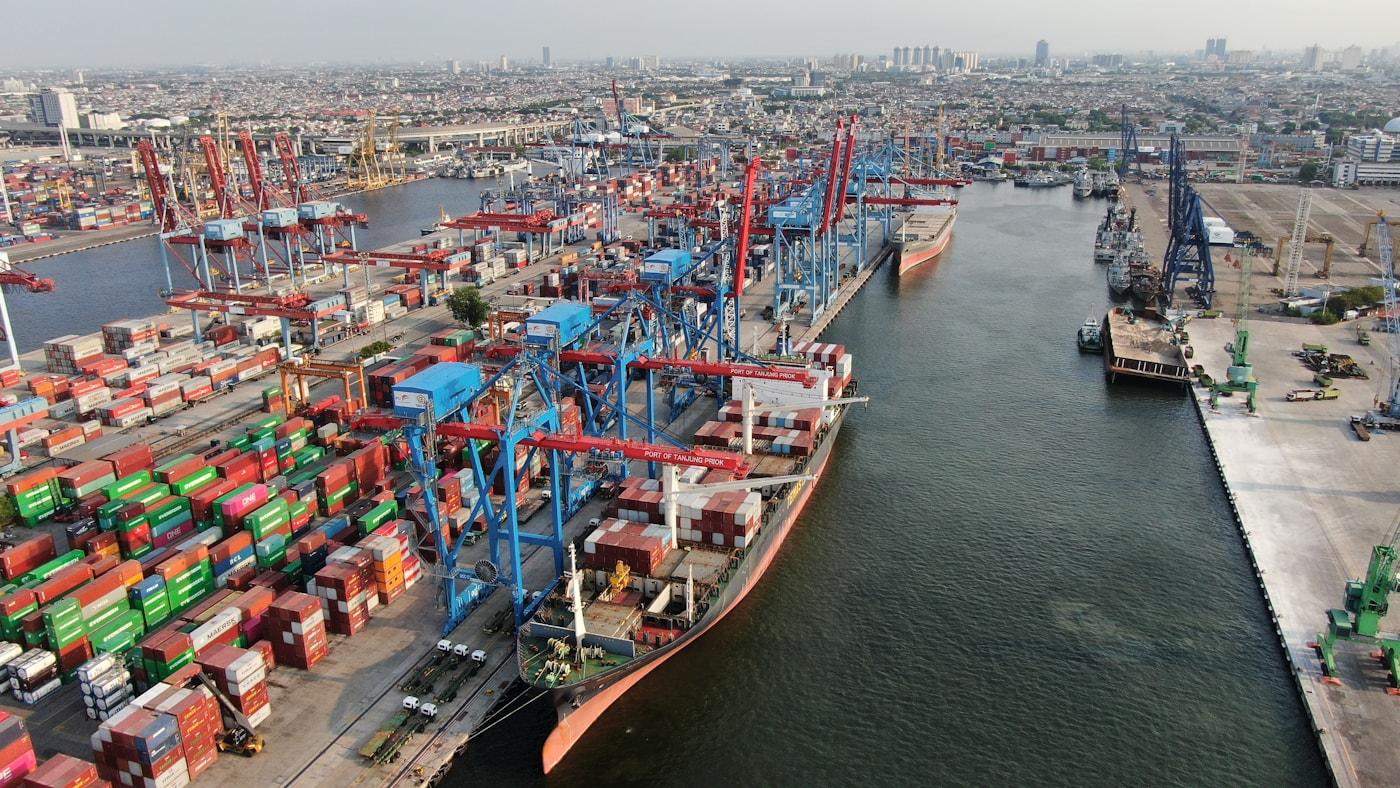
Busy shipping port with cranes and cargo containers from aerial view
07 / INDUSTRY NEWS
Key takeaways.
  • 01Rotterdam and Hamburg reporting 3–7 day vessel wait times as of Q1 2026
  • 02Felixstowe congestion easing; Antwerp emerging as the cleaner alternative for Northern Europe
  • 03US East Coast ports (New York, Savannah) running 2–5 day backlogs on inbound vessels
  • 04Buffer stock of 4–6 weeks recommended for critical inventory versus the traditional 2–3 weeks
  • 05Rail connections from German ports to central Europe performing better than road under current volumes

The Current Situation

Global container port throughput reached record levels in late 2025 and early 2026, driven by a combination of recovered consumer demand, restocking cycles, and front-loaded shipments as importers sought to avoid anticipated tariff changes. This volume surge, combined with the knock-on effects of vessel reroutings following continued Red Sea tensions, has generated congestion at ports that were considered operationally clean as recently as mid-2024.

The pattern is uneven: some ports are handling volumes well, while others are under significant strain. Understanding which ports affect your lanes is the first step to routing around the worst delays.
Port-by-Port Situation

  • 01Rotterdam (Netherlands): 3–7 day vessel wait times; berth availability tight; inland connections via barge improving but road drayage congested
  • 02Hamburg (Germany): 2–4 day delays at CTA terminal; better rail connections making Hamburg a viable alternative for central European distribution
  • 03Antwerp (Belgium): Currently the best-performing major Northern European port — consider this for time-sensitive European cargo
  • 04Felixstowe (UK): Congestion easing after peak; 1–3 day vessel waits; customs clearance at Tilbury sometimes faster
  • 05New York/New Jersey (US): 2–5 day anchorage waits; inland chassis shortage adding to drayage delays
  • 06Savannah (US): Running more smoothly than NYNJ; strong intermodal connections for US Southeast and Midwest distribution
  • 07Long Beach/LA (US West Coast): Relatively stable at present; watch Q2 as restocking volumes build

Impact on Transit Times

The practical impact on shippers is a transit time uncertainty that makes traditional just-in-time inventory models risky. A shipment that nominally takes 28 days from Shenzhen to Rotterdam can arrive in 31–38 days under current conditions, with no reliable way to predict which end of that range applies to any given sailing.

For businesses that have tightened inventory to reduce working capital, this variability is costly: stockouts, expediting fees, and the premium of emergency air freight can far exceed the savings from running lean stock. The companies managing port congestion best in 2026 are those that have accepted a structural increase in their safety stock requirements and priced it into their models.

Mitigation Strategies

  • 01Build 4–6 weeks safety stock for fast-moving or margin-critical SKUs — the 2-week buffer that worked pre-2020 is no longer sufficient on congested lanes
  • 02Diversify port routing where possible: if Rotterdam is your default, ask your forwarder to quote Hamburg or Antwerp as alternatives
  • 03Use rail for inland European distribution from Hamburg — current road congestion around major ports makes rail competitive on transit time to Germany, Austria, and Poland
  • 04Book space earlier — carrier block bookings and long-term contracts provide priority loading that spot bookings often cannot
  • 05Consider air freight as a partial solution for high-value, low-volume cargo that cannot tolerate port variability
  • 06Use a forwarder with real-time vessel tracking and proactive exception management — knowing about a delay 5 days before it affects your delivery window beats knowing on delivery day

Looking Ahead

Port congestion is unlikely to resolve quickly. Structural factors — including fleet deployment patterns from the alliance reshuffles, the ongoing Red Sea routing detour, and sustained import demand — suggest elevated variability through at least Q3 2026. Shippers should plan accordingly, and engage their freight forwarder now to review routing and contingency options before the June–July peak season adds further pressure.

Frequently asked questions.

Q01
Which major ports have the worst congestion in 2026?

As of Q1 2026, Rotterdam (3–7 day vessel waits), New York/New Jersey (2–5 day anchorage waits), and Hamburg (2–4 day delays at CTA) are the most congested major container ports. Antwerp, Long Beach/LA, and Savannah are running comparatively smoothly.

Q02
How much buffer stock should importers hold in 2026?

Build 4–6 weeks of safety stock for fast-moving or margin-critical SKUs. The pre-2020 2-week buffer is no longer sufficient given current transit time variability. Stockout cost plus emergency air freight premiums typically exceed the working capital cost of increased inventory.

Q03
Is Antwerp a viable alternative to Rotterdam?

Yes. Antwerp is currently the best-performing major Northern European port and a viable substitute for Rotterdam on most trade lanes. Inland connections to Germany, France, and the Benelux distribution networks are strong, and the port is a direct call for most Asia–Europe services.

Q04
Is rail competitive with trucking for European distribution?

Yes, under current road congestion conditions. Rail connections from Hamburg to central Europe (Germany, Austria, Poland, Czech Republic) are outperforming trucking on both transit time and reliability. Discuss rail options with your forwarder when routing through German ports.

Q05
Will port congestion resolve in 2026?

Unlikely to resolve quickly. Structural factors — alliance redeployment, Red Sea rerouting, sustained import demand — suggest elevated variability through at least Q3 2026. Plan for current conditions rather than assuming near-term normalisation.

  • [01]Dynaliners weekly port productivity report
  • [02]Hamburg Port Authority operational updates
  • [03]Port of Antwerp–Bruges throughput data
SZViper Operations Desk

SZViper's operations team handles daily export clearance, carrier relationships, and destination delivery across seven warehouses on three continents.

Ready to Ship?

Get a free quote and discover how Viper Supply Chain can optimise your supply chain from China to the world.

Request a Free Quote