Trans-Pacific Freight Rate Outlook: What to Expect in Q2 2026.

Spot rates on China–North America lanes have softened after a volatile Q1, but new carrier alliance reshuffles and seasonal demand are set to shift the picture again. Here is what shippers should watch heading into Q2.

SZViper Operations Desk
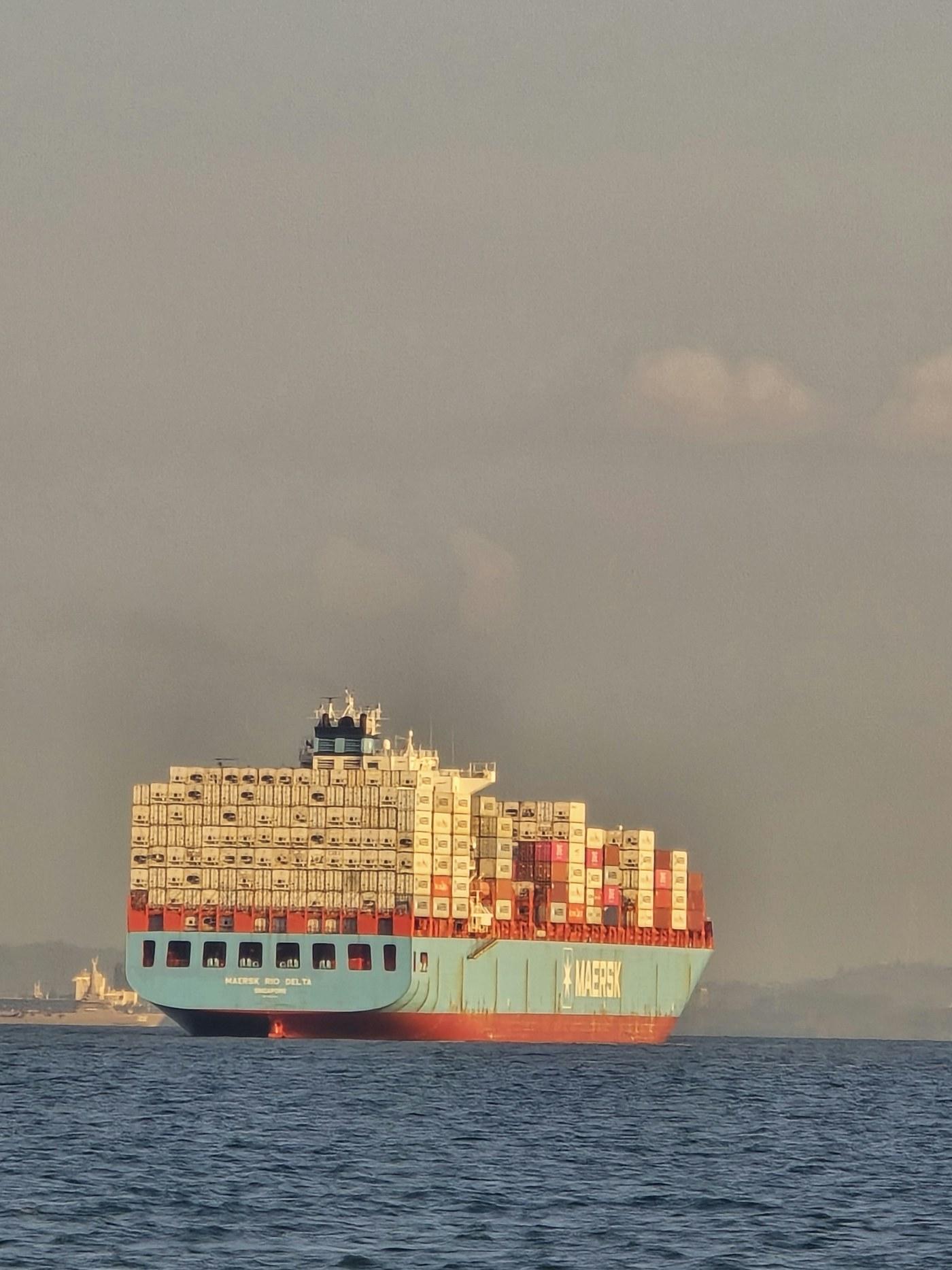
Container ship sailing on open ocean at sunset
02 / INDUSTRY NEWS
Key takeaways.
  • 01Spot rates from China to US West Coast down ~8% quarter-on-quarter after Q1 peak
  • 02New carrier alliance capacity injections expected May–June will suppress short-term peaks
  • 03Demand from US retailers building inventory ahead of Q3 primes could tighten space in June
  • 04Book 6–8 weeks ahead on peak lanes; LCL rates remain elevated relative to 2024
  • 05China–North Europe rates holding firm; Rotterdam congestion adding 3–5 days transit

Market Overview

The trans-Pacific spot market closed Q1 2026 in relatively stable territory following a surge in January driven by front-loaded shipments ahead of Lunar New Year. Shanghai Containerised Freight Index (SCFI) figures show China–US West Coast rates settling near the $2,200–$2,500 per FEU range, down roughly 8% from the Q1 peak but still meaningfully above 2024 lows.

The moderation reflects a combination of factors: additional vessel deployments from the recently restructured alliances, softer consumer electronics demand in February and March, and shippers actively drawing down safety stock built during 2025. Despite this, capacity discipline among the major carriers has prevented the kind of freefall seen in mid-2023.
Alliance Reshuffles and New Capacity

The rebalancing of the major carrier alliances that took effect in February 2025 continues to ripple through the market. The Gemini Cooperation between Maersk and Hapag-Lloyd is now fully operational on trans-Pacific strings, delivering notably improved schedule reliability — Maersk reports 95%+ on-time performance on its Asia–North America services, a figure shippers have noticed.

MSC, operating independently, has expanded its own Asia–North America services with four new vessels entering service between May and July 2026. This additional capacity — estimated at 48,000 TEU per week across the alliance field — is likely to cap any significant rate spikes through Q2 unless demand accelerates faster than expected.

Q2 Demand Signals

Retail inventory data from key North American importers suggests a moderate restocking cycle is underway. Home goods, consumer electronics, and apparel shipments from China have increased through March, and logistics teams at major retailers are accelerating Q3 bookings to secure space and avoid the June crunch that has caught importers off-guard in previous years.

The National Retail Federation's import forecast for US container volumes points to a 4.2% year-on-year increase through the summer months. Combined with seasonal demand from back-to-school and early holiday inventory builds, expect June–August to see firmer rates — potentially $3,000–$3,500 per FEU on West Coast lanes if space tightens.

China–Europe: Rotterdam Congestion

On the Asia–North Europe trades, rates have held relatively firm. The key variable is congestion at Rotterdam, currently running at 3–5 extra days on inbound vessel processing, which is creating knock-on delays for inland connections to Germany, Poland, and the Benelux distribution networks.

Shippers routing through Hamburg or Antwerp are seeing somewhat cleaner operations. If your goods are destined for central or eastern Europe, discuss rail options from Hamburg or direct China–Europe rail services with your forwarder — under current port conditions, these can be competitive with sea on total door-to-door time.

What Shippers Should Do Now

  • 01Book trans-Pacific space 6–8 weeks ahead for any June or July cargo — do not wait for spot
  • 02Consider LCL consolidation as an alternative for sub-15 CBM shipments if FCL premiums spike
  • 03Ask your forwarder about premium/priority loading options on high-value or time-sensitive goods
  • 04Model Q3 logistics costs now using $3,200 per FEU as a conservative planning rate for US West Coast
  • 05For Europe-bound cargo, check Hamburg and Antwerp routing as alternatives to Rotterdam

Frequently asked questions.

Q01
What are current spot rates from China to US West Coast in Q2 2026?

Shanghai Containerised Freight Index (SCFI) figures for April 2026 put China to US West Coast rates in the $2,200–$2,500 per FEU range, roughly 8% below the January 2026 peak but still above 2024 lows. Rates are expected to firm to $3,000–$3,500 per FEU during the June–August peak demand window.

Q02
When should I book China to US shipments for Q2–Q3 2026?

Book trans-Pacific space 6–8 weeks ahead for any June or July cargo. Waiting for spot rates closer to departure carries a material risk of rolled cargo during the seasonal peak. For Q4 holiday inventory, book by early August 2026.

Q03
How is the Gemini Cooperation affecting schedule reliability?

The Gemini Cooperation between Maersk and Hapag-Lloyd delivered 95%+ on-time performance on Asia–North America services in Q1 2026, a meaningful improvement over the 70–80% range that characterised the post-2021 alliance landscape.

Q04
Which European port is least affected by current congestion?

Antwerp is currently the best-performing major Northern European port, with shorter vessel wait times than Rotterdam (3–7 day delays) and Hamburg (2–4 day delays). For time-sensitive cargo destined for central or western Europe, Antwerp routing can shave 3–5 days off total transit.

Q05
What planning rate should I model for Q3 2026 US West Coast freight?

$3,200 per FEU is a conservative planning figure for budget purposes, reflecting the expected June–August firming as retail restocking volumes build ahead of Q4 holiday season.

  • [01]Shanghai Containerised Freight Index (SCFI) — Shanghai Shipping Exchange
  • [02]NRF Global Port Tracker — National Retail Federation
  • [03]Maersk Q1 2026 schedule reliability report
SZViper Operations Desk

SZViper's operations team handles daily export clearance, carrier relationships, and destination delivery across seven warehouses on three continents.

Ready to Ship?

Get a free quote and discover how Viper Supply Chain can optimise your supply chain from China to the world.

Request a Free Quote