Trans-Pacific Peak Season: China–US Rate Outlook for Q3 2026 as July GRIs Land.

Carriers have filed July General Rate Increases on the China–US lane just as retail restocking accelerates into the back-to-school and holiday build. Here is where China–North America spot rates sit, what is moving them, and how shippers hold landed cost down through Q3.

SZViper Operations Desk
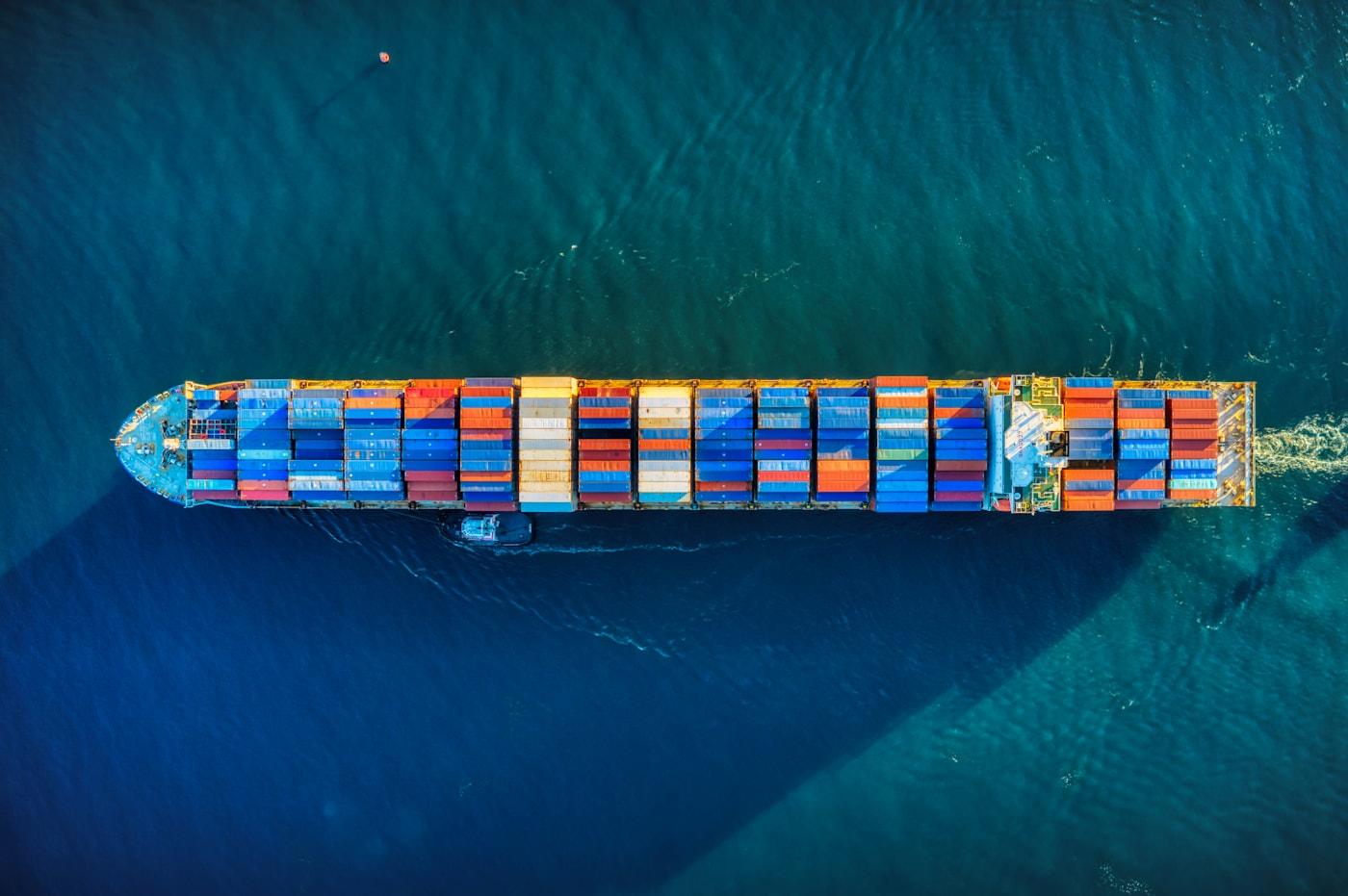
Aerial view of a container ship and terminal at the Port of Los Angeles
01 / INDUSTRY NEWS
Key takeaways.
  • 01Carriers filed July GRIs of $1,000–$1,600 per FEU on China–US lanes as Q3 peak season demand builds
  • 02China–US West Coast spot rates sit near $2,600–$2,900 per FEU; East Coast near $3,600–$3,900 per FEU
  • 03The National Retail Federation projects US import volumes up ~4% through the summer restocking window
  • 04Peak Season Surcharges (PSS) of $1,000–$2,000 per FEU are being layered on top of GRIs from July
  • 05Ample capacity and disciplined blank sailings should keep increases orderly — book firm space 4–6 weeks out

Peak Season Firms as July GRIs Take Effect

The China–North America ocean lane has moved into its 2026 peak season, and carriers are repricing accordingly. Multiple lines filed General Rate Increases (GRIs) effective early July of roughly $1,000–$1,600 per 40ft container (FEU), with Peak Season Surcharges (PSS) layered on top as retail restocking accelerates out of Shanghai, Ningbo, Shenzhen, and Yantian.

Spot levels reflect a firming, orderly market rather than a disorderly spike. China–US West Coast sits near $2,600–$2,900 per FEU and China–US East Coast near $3,600–$3,900 per FEU on the latest Shanghai Containerised Freight Index (SCFI) reads. Chinese exporters, with strong production cadence and deep sailing frequency out of the main South and East China gateways, are well placed to move volume into this window before surcharges compound.
What Is Driving the Move

Two forces are pulling the market higher. First, seasonal demand: US retailers are building inventory for back-to-school and early holiday programmes, and logistics teams are accelerating bookings to avoid the mid-summer crunch that has caught importers off-guard in prior years. The National Retail Federation's import forecast points to US container volumes running roughly 4% above the prior year through the summer months.

Second, carrier pricing discipline. Rather than chase volume with capacity, lines are using GRIs and PSS to reset the base, supported by targeted blank sailings that trim supply on softer weeks. The combination lifts the floor under spot rates without the freefall-and-spike volatility of earlier cycles — a more predictable backdrop for shippers who plan ahead.

The Numbers Shippers Are Watching

On the headline lanes, China–US West Coast near $2,600–$2,900 per FEU and East Coast near $3,600–$3,900 per FEU show the all-water East Coast leg carrying its usual $1,000-plus premium — a gap worth modelling if your cargo can flex between West Coast rail-to-inland and direct East Coast discharge.

Crucially, the rise is demand-led, not a capacity squeeze. Alliance vessel deployments remain ample on the trans-Pacific, and blank sailings are being used surgically rather than to force rates up. That should keep the July–August firming orderly and cap any runaway spike. Watch the weekly SCFI trans-Pacific components and the scale of announced PSS — those, not headline GRIs alone, determine the rate you actually pay.

West Coast vs East Coast Routing

Routing choice matters more than usual in Q3. West Coast gateways — Los Angeles, Long Beach, Oakland, Tacoma — offer the fastest transit from China and feed intermodal rail to Chicago, Dallas, and the interior. East Coast all-water services via the Panama Canal cost more per FEU but can be cheaper door-to-door for East Coast and Southeast destinations once inland dray and rail are counted.

With peak-season demand building, LA/Long Beach dwell times can extend as import volumes climb. Shippers with time-sensitive or high-value cargo should discuss premium/priority loading and guaranteed-space products with their forwarder, and model total door-to-door cost — not just ocean rate — when choosing coast.

Mitigation: Holding Landed Cost Down

  • 01Book trans-Pacific space 4–6 weeks ahead for July and August cargo — do not wait for spot as PSS compound
  • 02Ask your forwarder to confirm whether quoted rates are GRI-inclusive and how long PSS levels are held
  • 03Model Q3 budgets at $3,000 per FEU (West Coast) and $4,000 per FEU (East Coast) as conservative planning rates
  • 04Consider LCL consolidation for sub-15 CBM shipments if FCL premiums spike during the peak
  • 05Compare West Coast rail-to-inland against East Coast all-water on total door-to-door cost and transit, not ocean rate alone
  • 06For time-critical goods, secure guaranteed-space or premium loading products before space tightens in August

The Q3 Outlook

Expect firm-but-orderly conditions through the July–August peak, with rates most likely holding in the $2,600–$3,200 per FEU band on West Coast and $3,600–$4,200 on East Coast unless demand accelerates faster than forecast. A softening is plausible into September once back-to-school volume clears and before Q4 holiday inventory fully lands.

The base case is a managed peak: carriers defend the reset floor with disciplined capacity, shippers who booked early ride under earlier surcharge levels, and those who wait for spot risk both higher PSS and rolled cargo. For China-origin shippers, the operational edge remains speed to the water — moving volume through the deep, frequent South and East China rotations before the surcharge stack compounds.

Frequently asked questions.

Q01
What are current spot rates from China to the US West Coast in Q3 2026?

Shanghai Containerised Freight Index (SCFI) reads for early July 2026 put China–US West Coast rates near $2,600–$2,900 per FEU, with East Coast near $3,600–$3,900 per FEU. July General Rate Increases and Peak Season Surcharges are expected to firm West Coast levels toward $3,000–$3,200 per FEU during the August peak.

Q02
What is the difference between a GRI and a PSS?

A General Rate Increase (GRI) resets the base freight rate on a lane, typically filed for a specific effective date. A Peak Season Surcharge (PSS) is an additional per-container charge layered on top during high-demand windows. In July 2026, carriers filed GRIs of roughly $1,000–$1,600 per FEU on China–US lanes with PSS of $1,000–$2,000 per FEU on top, so confirm both when comparing quotes.

Q03
When should I book China to US shipments for the Q3 2026 peak?

Book trans-Pacific space 4–6 weeks ahead for July and August cargo. Waiting for spot closer to departure risks both higher Peak Season Surcharges and rolled cargo during the seasonal peak. For Q4 holiday inventory, aim to book by mid-August 2026.

Q04
Should I ship to the US West Coast or East Coast during peak season?

West Coast gateways (Los Angeles, Long Beach, Oakland) offer the fastest transit from China and feed intermodal rail inland. East Coast all-water services via the Panama Canal cost roughly $1,000 more per FEU but can be cheaper door-to-door for East Coast and Southeast US destinations once inland rail and dray are counted. Model total door-to-door cost, not ocean rate alone.

Q05
What planning rate should I model for Q3 2026 trans-Pacific freight?

$3,000 per FEU for US West Coast and $4,000 per FEU for US East Coast are conservative planning figures for budgeting through the August peak, reflecting expected GRI and PSS firming as retail restocking volumes build ahead of the Q4 holiday season.

  • [01]Shanghai Containerised Freight Index (SCFI) — Shanghai Shipping Exchange, early July 2026
  • [02]Drewry World Container Index (WCI) — weekly assessment, trans-Pacific components
  • [03]Carrier July GRI and Peak Season Surcharge notices — China–US lanes
  • [04]National Retail Federation — Global Port Tracker import forecast
  • [05]Ports of Los Angeles and Long Beach — monthly container volume data
SZViper Operations Desk

SZViper's operations team handles daily export clearance, carrier relationships, and destination delivery across seven warehouses on three continents.

Need rates for the lane in this article?.

Tell us your origin, destination, and volume — we come back with a real number within one business hour.

Get rates