Asia–Europe Rates Climb as Early Peak Season Arrives in June 2026.

Spot rates on the China–Europe lane are rising weeks ahead of schedule as front-loaded cargo and fresh FAK increases pull peak season forward. Here is what is moving rates and how shippers can hold landed cost down.

SZViper Operations Desk
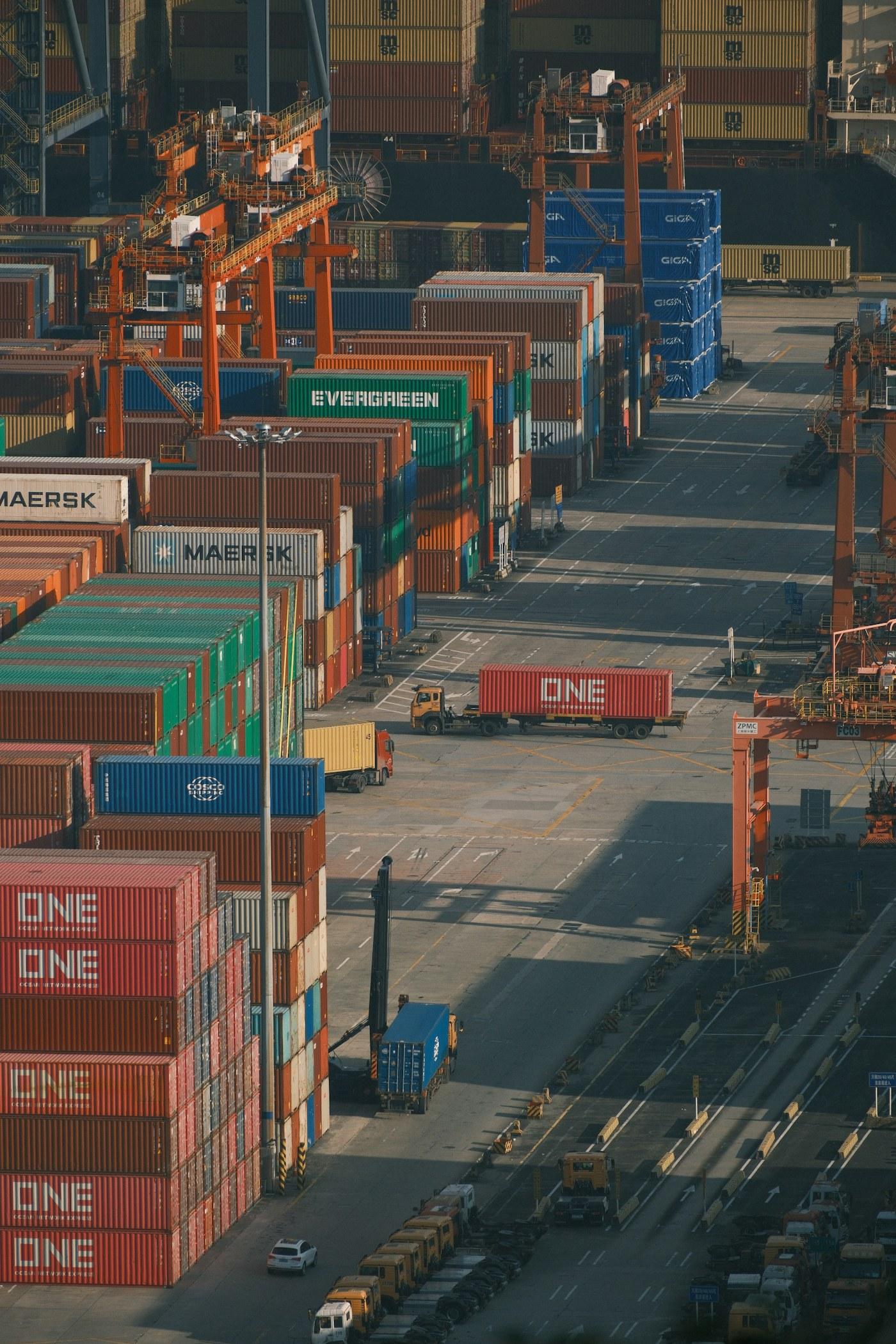
Shipping containers stacked high at a busy container port
01 / INDUSTRY NEWS
Key takeaways.
  • 01Drewry's World Container Index rose ~6% in the last week as early peak season demand built on the Asia–Europe lane
  • 02Shanghai–Rotterdam climbed 3% to $2,861 per 40ft; Shanghai–Genoa rose 4% to $4,253 per 40ft
  • 03CMA CGM set FAK rates from 1 June at ~$4,700 per 40ft Asia–Europe and $5,500–$5,700 Asia–Mediterranean
  • 04Demand is being pulled into June ahead of an expected 1 July bunker adjustment — book firm space now
  • 05Capacity stays ample (only four Asia–Europe blank sailings announced next week), which should cap any runaway spike

Peak Season Has Arrived Early

The China–Europe ocean lane has entered its 2026 peak season several weeks ahead of the usual July–August window. Drewry's World Container Index rose roughly 6% in the last week, with the Asia–Europe trade leading the move as forward bookings accelerate out of Shanghai, Ningbo, and Shenzhen.

Spot levels reflect the shift. Shanghai–Rotterdam climbed 3% to $2,861 per 40ft container, while Shanghai–Genoa rose 4% to $4,253 per 40ft. These are orderly increases rather than a disorderly spike — a market firming on real demand, not panic. For shippers, the signal is simple: the cheapest space of the quarter is likely already behind us.
What Is Driving the Move

Two forces are pulling cargo forward. First, carriers have announced fresh Freight All Kinds (FAK) increases: CMA CGM set new FAK levels effective 1 June at around $4,700 per 40ft on Asia–Europe and $5,500–$5,700 per 40ft on Asia–Mediterranean, and other lines are following with their own General Rate Increases.

Second, demand is being pulled into June ahead of an expected 1 July bunker fuel adjustment. Shippers are booking now to ship under current fuel surcharges rather than wait for the recalculated July figure. Chinese exporters, with their strong production cadence and the deep sailing frequency out of the main South and East China gateways, are well placed to move volume quickly into this window.

The Numbers Shippers Are Watching

Drewry's index now sits near its highest level since the start of the year, up roughly 6% week-on-week and meaningfully above the same period in 2025. On the headline lanes, Shanghai–Rotterdam at $2,861 per 40ft and Shanghai–Genoa at $4,253 per 40ft show the Mediterranean leg carrying a clear premium — a gap worth modelling if your cargo can flex between North European and Mediterranean discharge ports.

Crucially, the rise is not a capacity squeeze. Drewry's capacity data shows only four blank sailings announced on Asia–Europe for the coming week, meaning carriers are deploying ships rather than withdrawing them to force rates up. Ample tonnage should keep the increase orderly and cap any runaway spike — good news for shippers who plan ahead.

Routing and Capacity Options

China-origin cargo has more than one path to Europe. Ocean remains the volume workhorse, and the efficiency of Shanghai, Ningbo, and Yantian keeps origin handling fast even as bookings climb. For time-sensitive or higher-value goods, the China–Europe Railway Express offers a faster door-to-door alternative into Central and Eastern Europe — typically 16–20 days versus 30–40 by sea — and tends to be insulated from ocean peak-season FAK swings.

A blended approach often wins during early peak season: move the bulk of a programme by sea booked on a fixed or named-account rate, and shift the urgent SKUs to rail. Splitting Mediterranean and North European volume across discharge ports can also recover part of the current $1,000+ per-40ft spread between Genoa and Rotterdam.

What Shippers Should Do Now

  • 01Lock firm space for June and early-July cargo now — front-loaded demand means spot space tightens fastest at the start of peak
  • 02Ship ahead of the 1 July bunker adjustment where your production schedule allows, to avoid the recalculated fuel surcharge
  • 03Compare North European versus Mediterranean discharge — the current Rotterdam/Genoa spread exceeds $1,000 per 40ft
  • 04Move urgent or high-value SKUs via China–Europe Railway Express (16–20 days) to bypass ocean FAK pressure
  • 05Ask your forwarder for a named-account or fixed FAK rate rather than riding pure spot through the peak

Looking Ahead

Drewry expects Asia–Europe rates to rise further in the coming weeks as the early peak season builds and carriers continue to lift FAK levels. With capacity still ample, the most likely path is a steady, orderly climb into the traditional July–August peak rather than a sudden spike.

The planning takeaway: treat current rates as a relatively favourable entry point, not a ceiling. Shippers who secure space and a fixed rate now will likely look back on early-June bookings as well-timed once the full peak lands.

Frequently asked questions.

Q01
What are current China to Europe container rates in June 2026?

As of early June 2026, Shanghai–Rotterdam is around $2,861 per 40ft container (up 3%) and Shanghai–Genoa around $4,253 per 40ft (up 4%). CMA CGM's FAK rates effective 1 June sit near $4,700 per 40ft on Asia–Europe and $5,500–$5,700 on Asia–Mediterranean.

Q02
Why are Asia–Europe freight rates rising early this year?

Peak season has arrived several weeks early because cargo is being front-loaded ahead of an expected 1 July bunker fuel adjustment, while carriers have layered on new FAK and General Rate Increases. Drewry's World Container Index rose roughly 6% in the latest week.

Q03
Is there a capacity shortage on the China–Europe lane?

No. Drewry's data shows only four blank sailings announced on Asia–Europe for the coming week, so carriers are deploying ships rather than cutting capacity. The rate rise is demand-driven and should stay orderly rather than spiking.

Q04
Should I use rail instead of ocean from China to Europe right now?

For urgent or higher-value SKUs, the China–Europe Railway Express delivers in roughly 16–20 days versus 30–40 by sea and is largely insulated from ocean peak-season FAK swings. Most shippers blend the two — bulk by sea, urgent volume by rail.

Q05
Will China–Europe rates keep climbing through summer 2026?

Drewry expects further increases in the coming weeks as early peak season builds and carriers raise FAK levels. With capacity still ample, the most likely outcome is a steady climb into the July–August peak rather than a sudden spike. Booking firm space now is prudent.

  • [01]Drewry World Container Index (WCI) — weekly assessment, early June 2026
  • [02]Shanghai Containerised Freight Index (SCFI) — Shanghai Shipping Exchange
  • [03]CMA CGM — FAK rate notice, effective 1 June 2026
  • [04]Drewry Container Capacity Insight — Asia–Europe blank sailings
  • [05]China Railway — China–Europe Railway Express transit data
SZViper Operations Desk

SZViper's operations team handles daily export clearance, carrier relationships, and destination delivery across seven warehouses on three continents.

Need rates for the lane in this article?.

Tell us your origin, destination, and volume — we come back with a real number within one business hour.

Get rates