Incoterms 2020 descifrados: ¿qué términos funcionan mejor para envíos de China?.

FOB, CIF, DDP, EXW: la elección del Incoterm define quién controla el seguro, la aduana y el riesgo en cada etapa del envío. Esta guía explica qué términos protegen al importador y cuáles ceden el control.

Tyler Yang
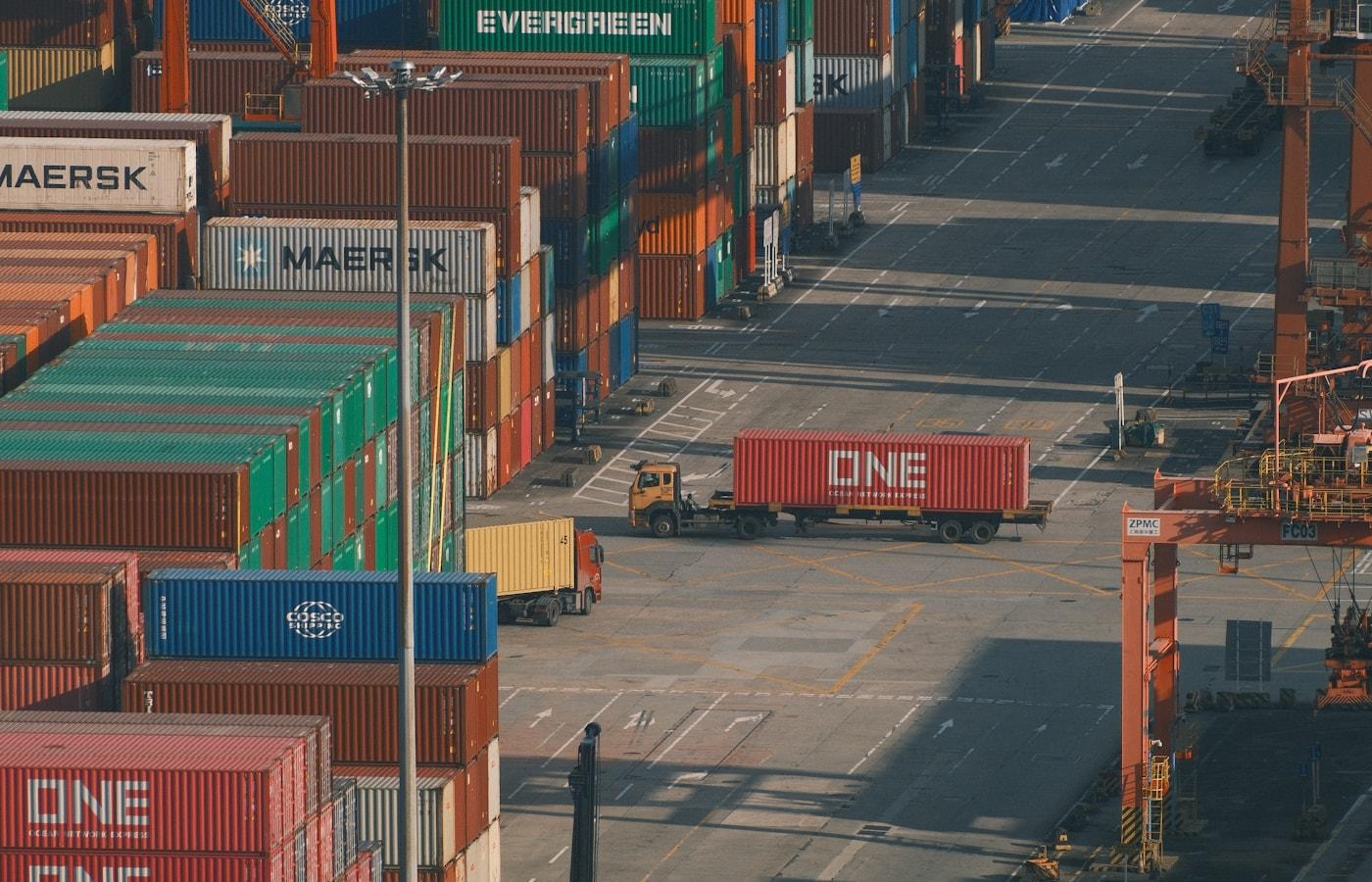
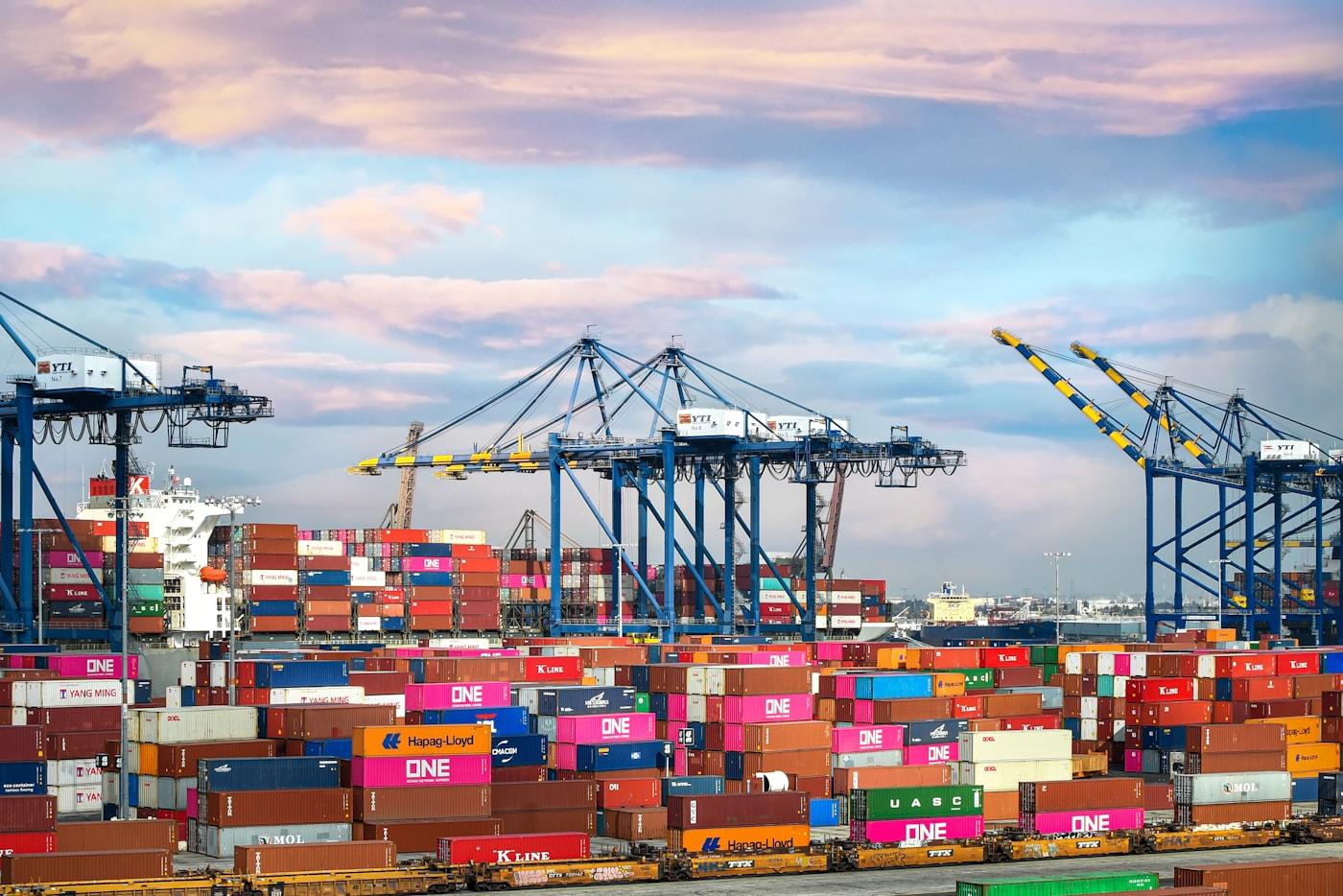
Contenedores de carga rojos y azules apilados en una terminal
04 / GUÍA DE ENVÍOS
Puntos clave.
  • 01FOB (Free on Board) otorga a los importadores máximo control sobre reserva de flete y seguro
  • 02CIF (Cost Insurance Freight) deja la selección del transportista y el seguro en manos del proveedor: arriesgado para carga de alto valor
  • 03DDP (Delivered Duty Paid) es cómodo pero oculta costes y elimina su control sobre el cumplimiento de importación
  • 04EXW (Ex Works) pone toda la responsabilidad en el comprador desde la puerta de fábrica: adecuado solo para importadores experimentados con logística china sobre el terreno
  • 05Para la mayoría de importadores de China, FOB o FCA son los términos de inicio recomendados

Why Incoterms Matter

Incoterms (International Commercial Terms) are a set of standardised trade terms published by the International Chamber of Commerce. The 2020 edition is the current standard, and they define two critical things: who is responsible for arranging and paying for each stage of transport, and at what point risk transfers from seller to buyer.

Getting this wrong is expensive. A supplier who nominates a carrier under CIF can choose the cheapest, slowest option with minimal insurance. An EXW deal can leave you scrambling to arrange factory collection you cannot supervise. Your choice of Incoterm is essentially a choice about who controls your supply chain.

FOB — Free on Board

FOB is the most widely used term for ocean freight from China and the standard recommendation for most importers. Under FOB, the seller delivers goods to the named port of loading (e.g., Shenzhen or Shanghai), clears export customs, and loads goods onto the vessel nominated by the buyer.

From that point, risk and cost pass to you. You arrange the ocean freight (through your forwarder), marine insurance, and all destination charges. This gives you full control over carrier selection, freight rates, and insurance cover — critical advantages when shipping valuable goods.

Note: Under Incoterms 2020, FOB technically transfers risk when cargo crosses the ship's rail. For containerised freight where goods are handed to a terminal before loading, FCA (Free Carrier) is technically more precise, but FOB remains the practical standard in China trade.

CIF — Cost, Insurance and Freight

Under CIF, the seller pays for ocean freight and provides a minimum insurance cover, with risk transferring to the buyer once goods are loaded on the vessel. The problem: minimum insurance under CIF is 110% of the invoice value — insufficient for most commercial cargo — and the seller chooses both the carrier and insurer.

This means you inherit the cheapest carrier the supplier could find, with insurance arranged by someone whose interests may not align with yours. For low-value commodity goods where the supplier relationship is well-established and trusted, CIF can simplify the transaction. For anything above $10,000 in cargo value, FOB with your own marine insurance is strongly preferable.

DDP — Delivered Duty Paid

DDP places maximum obligation on the seller — they deliver to named destination with all duties paid. On paper, this seems attractive for importers who want a simple delivered price. In practice, it creates several serious problems.

First, the supplier often uses an agent to clear import customs on your behalf. This agent operates under a power of attorney but has no accountability to you for compliance decisions. Import duty calculations and HS code classifications that are incorrect become your legal liability, not the supplier's.

Second, DDP pricing bundles logistics and duty costs into the purchase price, making it difficult to benchmark freight costs or claim VAT/GST correctly. Use DDP only for well-understood, low-value, low-compliance-risk goods — and insist on full cost transparency when you do.

EXW — Ex Works

EXW puts the entire logistics responsibility on the buyer from the moment goods are ready at the factory. You arrange collection, export customs clearance in China, inland transport, ocean or air freight, import customs, and final delivery.

For importers without a forwarder managing their China-side logistics, EXW is unnecessarily risky. Export customs compliance in China is the seller's expertise, and errors can lead to cargo holds, penalties, or blacklisting. Use EXW only if your forwarder has a trusted on-the-ground presence in China to manage collection and export — which experienced 3PLs like SZViper do.

Preguntas frecuentes.

Q01
¿Cuál es el Incoterm más seguro para importadores primerizos de China?

FOB (Free on Board) desde un puerto chino importante es el punto de partida más seguro para la mayoría de importadores. Bajo FOB, el vendedor se ocupa del despacho de exportación y la entrega al buque, mientras que el comprador controla la selección del transportista, las tarifas de flete y el seguro marítimo: las tres variables más importantes para el coste y la gestión de riesgos.

Q02
¿Debería aceptar precios DDP de mi proveedor chino?

DDP es cómodo pero crea vacíos de responsabilidad. La aduana de importación la despacha un agente designado por el proveedor bajo un poder notarial, lo que significa que errores en códigos HS y aranceles se convierten en su responsabilidad legal sin controlar la presentación. Use DDP solo para mercancías de bajo valor y bajo riesgo de cumplimiento donde la transparencia sea aceptable.

Q03
¿Cuál es la diferencia clave entre FOB y CIF?

Bajo FOB, el comprador organiza el flete y el seguro desde el puerto de carga. Bajo CIF, lo hace el vendedor, con una cobertura mínima de seguro del 110% del valor de la factura. Para carga superior a 10.000 USD aproximadamente, el seguro CIF mínimo es inadecuado y el FOB con cobertura todo riesgo organizada por el comprador es preferible.

Q04
¿Es FOB o FCA técnicamente correcto para carga en contenedor?

FCA (Free Carrier) es técnicamente más preciso para carga en contenedor bajo Incoterms 2020, ya que FOB transfiere el riesgo en la borda del buque, un concepto obsoleto para contenedores entregados a una terminal antes de la carga. En la práctica, FOB sigue siendo el término comercial dominante en el comercio con China a pesar de esta tecnicalidad.

Q05
¿Cuándo es apropiado EXW?

EXW pone toda la responsabilidad en el comprador desde la puerta de fábrica, incluida la aduana de exportación china. Use EXW solo si su transitario tiene una presencia operativa de confianza en China para gestionar la recogida, consolidación y despacho de exportación; de lo contrario, los errores de cumplimiento de exportación chinos son su riesgo.

  • [01]ICC Incoterms 2020 rules — International Chamber of Commerce
  • [02]UCP 600 and banking practices on CIF documentation
Tyler Yang

Tyler dirige las operaciones de SZViper en Shenzhen con más de una década de experiencia en transitaria en las rutas comerciales Asia–Europa y Asia–Américas.

¿Listo para Enviar?

Obtenga una cotización gratuita y descubra cómo Viper Supply Chain puede optimizar su cadena de suministro desde China al mundo.

Solicitar Cotización Gratuita