FCL vs LCL: la guida completa per gli importatori dalla Cina.

Container Completo (FCL) o Groupage (LCL) — la scelta ha impatto diretto su costo, tempo di transito e rischio. Questa guida analizza entrambe le modalità e offre un framework chiaro per decidere.

SZViper Operations Desk
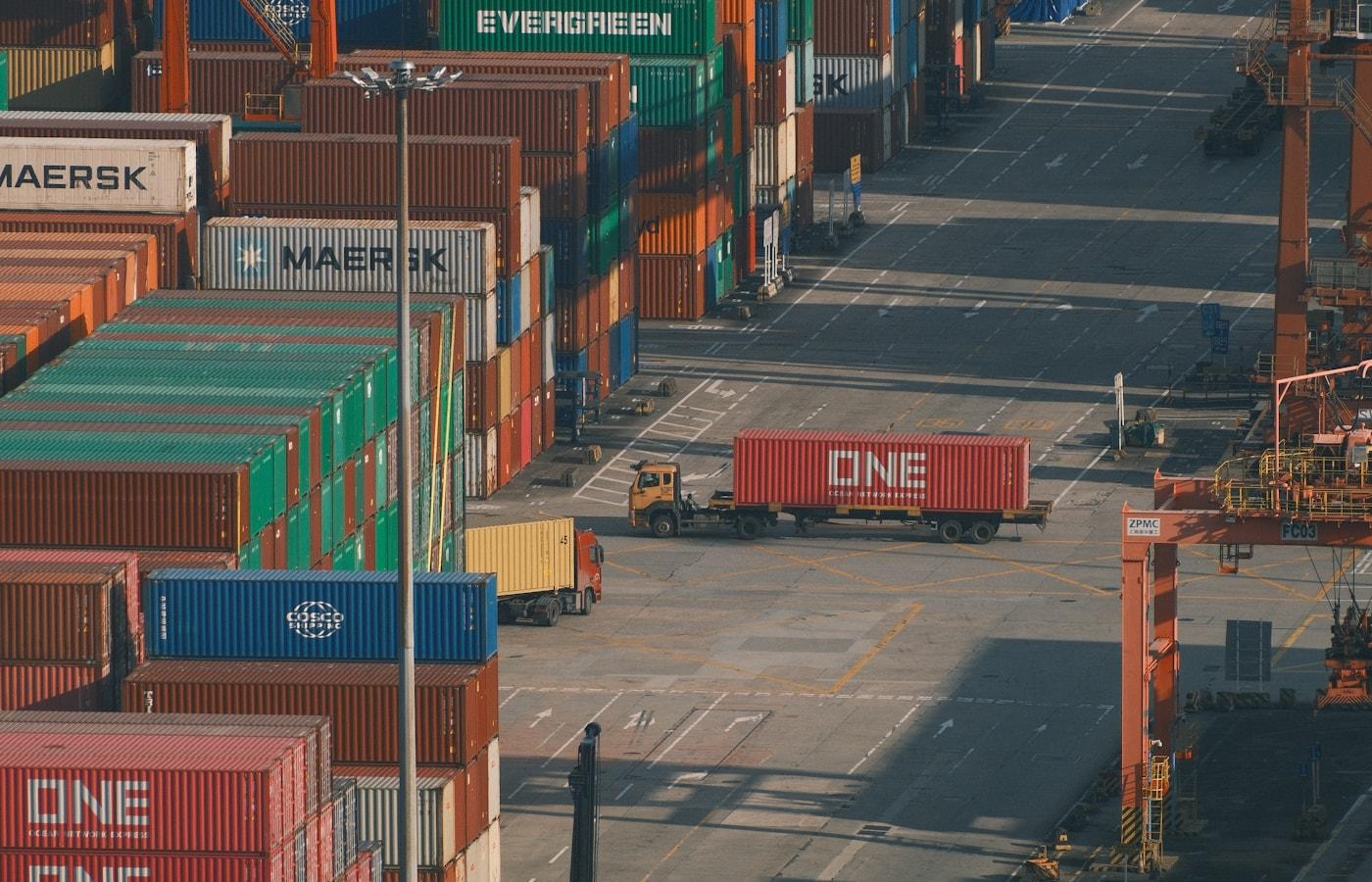
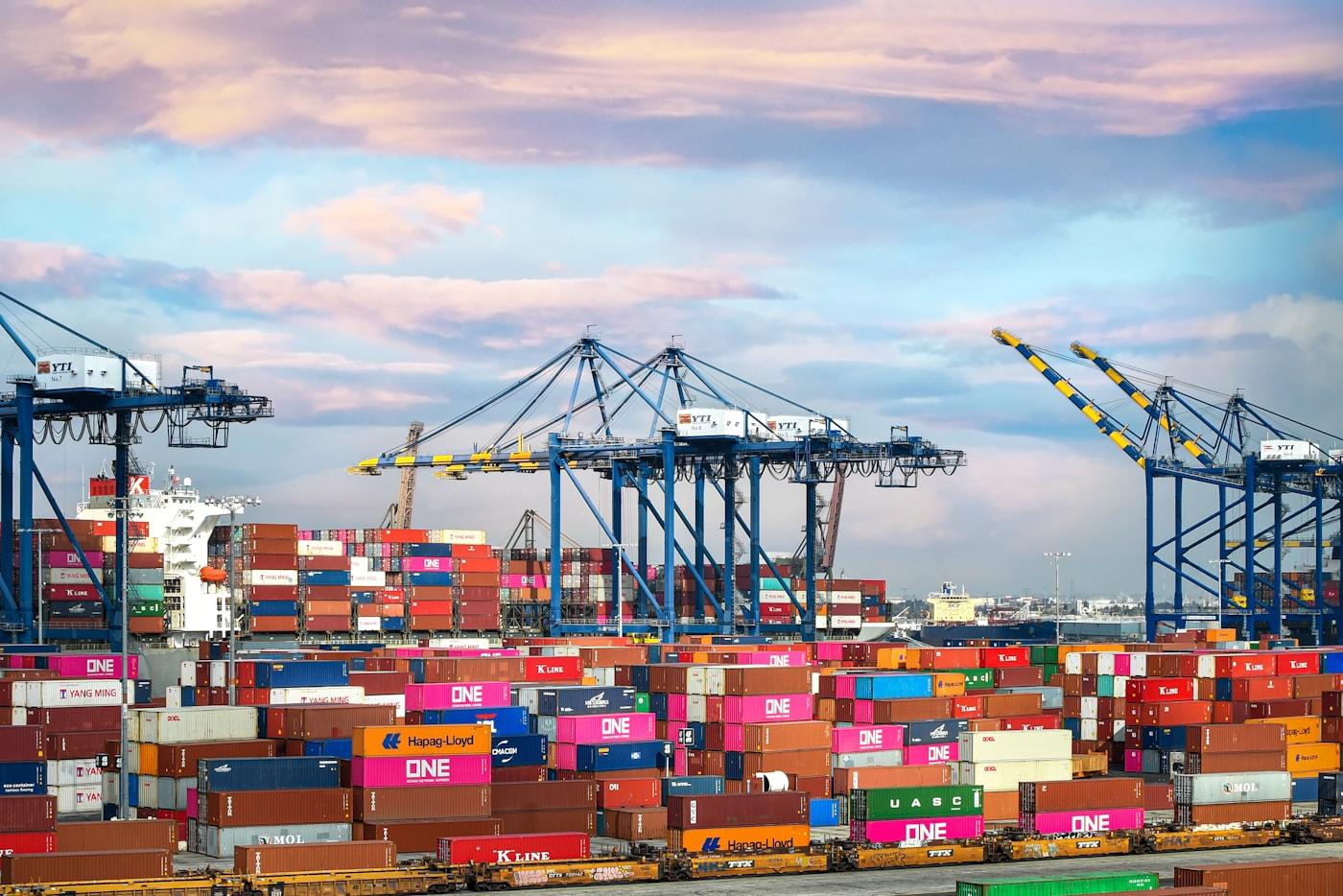
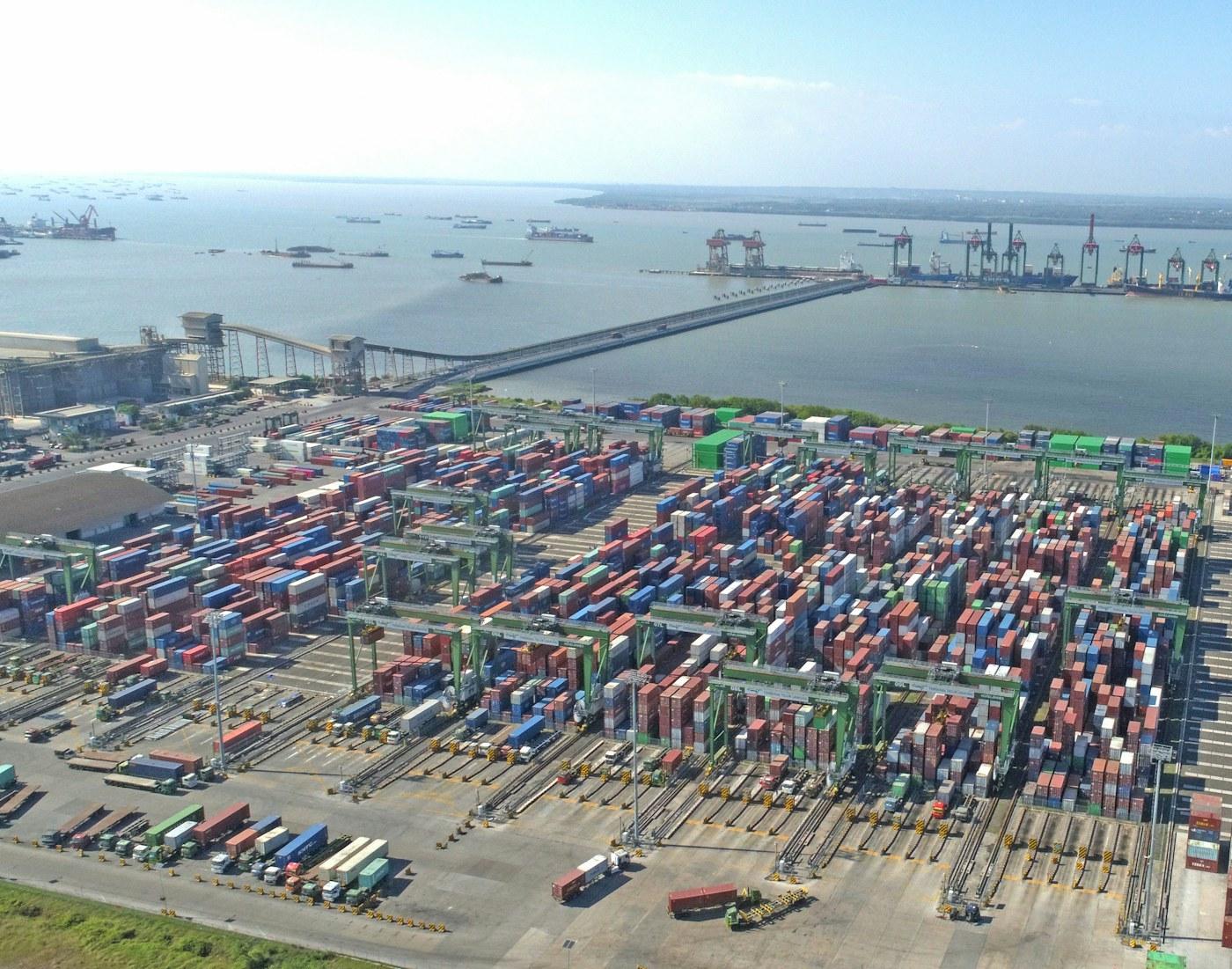
Vista aerea di un porto merci affollato con container impilati
03 / GUIDA ALLE SPEDIZIONI
Punti chiave.
  • 01FCL è conveniente a partire da circa 15–20 CBM (riempie circa mezzo container da 20 piedi)
  • 02LCL è adatto per volumi minori ma aggiunge 3–7 giorni per consolidamento e deconsolidamento
  • 03FCL ha minor rischio di danni e contaminazione perché solo il tuo carico è nel container
  • 04Le tariffe LCL per CBM sono aumentate nel 2025–2026; confronta prima di supporre sia più economico
  • 05Merci sensibili o ad alto valore giustificano quasi sempre FCL indipendentemente dal volume

What Is FCL?

Full Container Load (FCL) means you book an entire shipping container for your exclusive use. You pay for the container as a unit, regardless of how much space you actually fill. Standard container sizes are the 20-foot (20GP, roughly 25–28 CBM usable) and 40-foot (40GP, roughly 58–60 CBM usable), with the 40-foot High Cube (40HC, ~76 CBM) the most popular choice for high-volume importers.

With FCL, your cargo is loaded at origin, sealed, and that same container arrives at destination. No other shipper's goods enter your container. This makes FCL the standard choice for established importers with consistent volume, time-sensitive or high-value goods, and cargo that cannot share space with unknown commodities.

What Is LCL?

Less than Container Load (LCL) consolidates your cargo with goods from multiple shippers into a single container. The container is filled by a freight forwarder or consolidator at a Container Freight Station (CFS) in China, shipped to destination, then de-consolidated at another CFS before your cargo is released to you.

You pay per cubic metre (CBM) or per tonne (whichever is greater), plus a range of CFS handling charges. LCL is the natural choice for importers who are starting out, running pilot orders, or simply do not have the volume to justify a full container.

The Cost Comparison

The crossover point between FCL and LCL economics has shifted upward in recent years as LCL base rates and CFS surcharges have increased. As a rough guide for 2026:

A 20-foot FCL from Shenzhen to Felixstowe might cost $1,800–$2,400 all-in under current market rates. The same lane via LCL might be priced at $45–$65 per CBM including basic surcharges, but excluding destination CFS fees, which can add $80–$150 per shipment.

The implication: if your cargo is above roughly 12–15 CBM, get a specific FCL quote — you may find the per-CBM cost is already competitive or lower, and you gain the handling and risk benefits below.

Risk and Handling Differences

  • 01FCL: your goods are only handled at loading and unloading — far fewer touch points and much lower damage risk
  • 02LCL: cargo is handled at origin CFS, consolidated with other goods, de-consolidated at destination CFS, and then released — each touch point is a damage opportunity
  • 03LCL contamination risk: if another shipper's goods in the same container have an issue (odour, pest, customs hold), your cargo can be delayed or quarantined
  • 04FCL preferred for: fragile goods, high-value electronics, food products, goods with strict customs requirements
  • 05LCL acceptable for: non-fragile samples, pilot orders, low-value industrial parts where delay is tolerable

Transit Time Comparison

FCL transit times reflect pure sailing time plus port operations — typically 28–32 days from Chinese ports to Northern Europe and 16–20 days to US West Coast ports.

LCL adds 3–7 days at each end for consolidation and de-consolidation. In practice, expect 35–42 days to Northern Europe via LCL, and 22–28 days to US West Coast. For time-sensitive inventory restocking, FCL is nearly always the better operational choice.

How to Choose: A Decision Framework

  • 01Volume under 5 CBM: LCL is almost always the right answer
  • 02Volume 5–15 CBM: compare specific FCL and LCL quotes on your exact lane and cargo type
  • 03Volume above 15 CBM: request an FCL quote — economics usually favour FCL at this point
  • 04Sensitive or high-value goods: FCL regardless of volume
  • 05Tight delivery window: FCL whenever possible
  • 06Regular monthly shipments: consider booking a regular FCL slot with your forwarder for rate stability

Domande frequenti.

Q01
Quando FCL diventa più economico di LCL?

Il punto di crossover 2026 è intorno a 12–15 CBM. Sopra questo volume, un FCL 20 piedi Shenzhen–Nord Europa (1.800–2.400 USD tutto compreso) costa tipicamente meno per CBM rispetto a LCL a 45–65 USD per CBM una volta aggiunti i costi di manipolazione CFS di 80–150 USD per spedizione.

Q02
Quanto è più lento LCL rispetto a FCL?

LCL aggiunge 3–7 giorni a ciascuna estremità per consolidamento alla Container Freight Station (CFS) di origine e deconsolidamento a destinazione. Una traversata Shenzhen–Nord Europa di 28–32 giorni in FCL impiega tipicamente 35–42 giorni in LCL.

Q03
LCL è sicuro per merci fragili o ad alto valore?

LCL comporta maggior rischio per carichi fragili perché le merci vengono manipolate più volte in entrambe le strutture CFS e condividono un container con merci sconosciute. Per merci fragili, ad alto valore o sensibili alla conformità, FCL è fortemente raccomandato indipendentemente dal volume.

Q04
Qual è la capacità cubica utilizzabile dei container standard?

Capacità utilizzabile: 20 piedi (20GP) contiene 25–28 CBM, 40 piedi (40GP) contiene 58–60 CBM, e 40 piedi High Cube (40HC) circa 76 CBM. I pesi massimi sono rispettivamente 28, 26,5 e 27 tonnellate.

Q05
Posso combinare spedizioni FCL e LCL in ordini regolari?

Sì. Molti importatori consolidati usano LCL per piccoli ordini di riassortimento e FCL per le spedizioni principali sulla stessa rotta commerciale. Prenota uno slot FCL regolare con il tuo spedizioniere per stabilità tariffaria sulle rotte ad alto volume.

  • [01]SZViper commercial pricing desk — Q2 2026 lane rates
  • [02]ISO container dimension standards (ISO 668)
SZViper Operations Desk

Il team operativo di SZViper gestisce lo sdoganamento export quotidiano, le relazioni con i vettori e la consegna a destinazione attraverso sette magazzini su tre continenti.

Pronto a Spedire?

Ottieni un preventivo gratuito e scopri come Viper Supply Chain può ottimizzare la tua catena di approvvigionamento dalla Cina al mondo.

Richiedi Preventivo Gratuito