Incoterms 2020 decodificati: quali termini funzionano meglio per le spedizioni dalla Cina?.

FOB, CIF, DDP, EXW — la scelta dell'Incoterm definisce chi controlla assicurazione, dogana e rischio in ogni fase della spedizione. Questa guida spiega quali termini proteggono gli importatori e quali cedono il controllo.

Tyler Yang
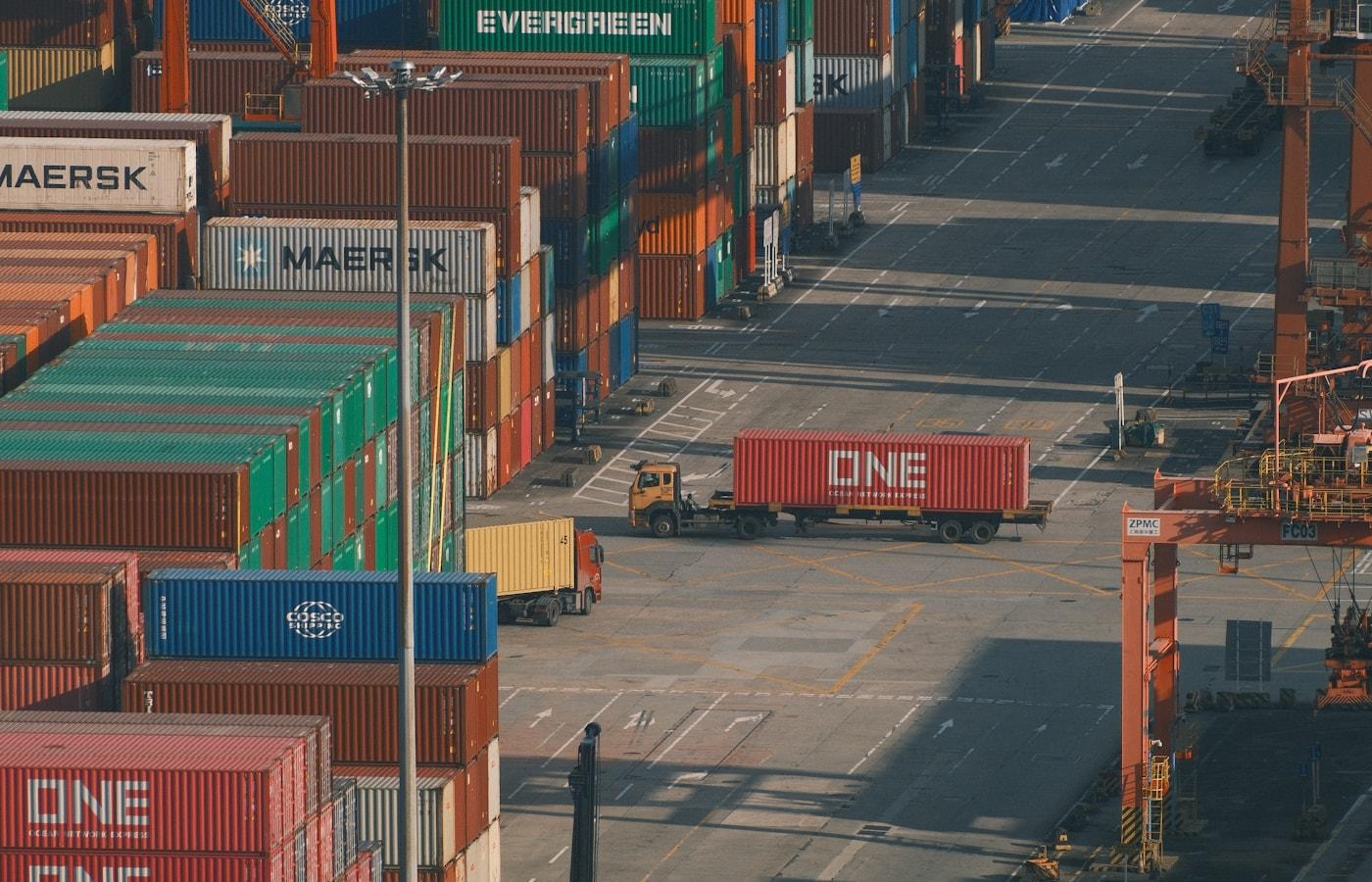
Container rossi e blu impilati in un terminal merci
04 / GUIDA ALLE SPEDIZIONI
Punti chiave.
  • 01FOB (Free on Board) dà agli importatori il massimo controllo su prenotazione merci e assicurazione
  • 02CIF (Cost Insurance Freight) mette scelta del vettore e assicurazione in mano al fornitore — rischioso per carichi ad alto valore
  • 03DDP (Delivered Duty Paid) è comodo ma nasconde i costi e toglie controllo sulla conformità import
  • 04EXW (Ex Works) mette tutta la responsabilità sull'acquirente dalla porta della fabbrica — adatto solo a importatori esperti con logistica cinese sul posto
  • 05Per la maggior parte degli importatori dalla Cina, FOB o FCA sono i termini di partenza raccomandati

Why Incoterms Matter

Incoterms (International Commercial Terms) are a set of standardised trade terms published by the International Chamber of Commerce. The 2020 edition is the current standard, and they define two critical things: who is responsible for arranging and paying for each stage of transport, and at what point risk transfers from seller to buyer.

Getting this wrong is expensive. A supplier who nominates a carrier under CIF can choose the cheapest, slowest option with minimal insurance. An EXW deal can leave you scrambling to arrange factory collection you cannot supervise. Your choice of Incoterm is essentially a choice about who controls your supply chain.

FOB — Free on Board

FOB is the most widely used term for ocean freight from China and the standard recommendation for most importers. Under FOB, the seller delivers goods to the named port of loading (e.g., Shenzhen or Shanghai), clears export customs, and loads goods onto the vessel nominated by the buyer.

From that point, risk and cost pass to you. You arrange the ocean freight (through your forwarder), marine insurance, and all destination charges. This gives you full control over carrier selection, freight rates, and insurance cover — critical advantages when shipping valuable goods.

Note: Under Incoterms 2020, FOB technically transfers risk when cargo crosses the ship's rail. For containerised freight where goods are handed to a terminal before loading, FCA (Free Carrier) is technically more precise, but FOB remains the practical standard in China trade.

CIF — Cost, Insurance and Freight

Under CIF, the seller pays for ocean freight and provides a minimum insurance cover, with risk transferring to the buyer once goods are loaded on the vessel. The problem: minimum insurance under CIF is 110% of the invoice value — insufficient for most commercial cargo — and the seller chooses both the carrier and insurer.

This means you inherit the cheapest carrier the supplier could find, with insurance arranged by someone whose interests may not align with yours. For low-value commodity goods where the supplier relationship is well-established and trusted, CIF can simplify the transaction. For anything above $10,000 in cargo value, FOB with your own marine insurance is strongly preferable.

DDP — Delivered Duty Paid

DDP places maximum obligation on the seller — they deliver to named destination with all duties paid. On paper, this seems attractive for importers who want a simple delivered price. In practice, it creates several serious problems.

First, the supplier often uses an agent to clear import customs on your behalf. This agent operates under a power of attorney but has no accountability to you for compliance decisions. Import duty calculations and HS code classifications that are incorrect become your legal liability, not the supplier's.

Second, DDP pricing bundles logistics and duty costs into the purchase price, making it difficult to benchmark freight costs or claim VAT/GST correctly. Use DDP only for well-understood, low-value, low-compliance-risk goods — and insist on full cost transparency when you do.

EXW — Ex Works

EXW puts the entire logistics responsibility on the buyer from the moment goods are ready at the factory. You arrange collection, export customs clearance in China, inland transport, ocean or air freight, import customs, and final delivery.

For importers without a forwarder managing their China-side logistics, EXW is unnecessarily risky. Export customs compliance in China is the seller's expertise, and errors can lead to cargo holds, penalties, or blacklisting. Use EXW only if your forwarder has a trusted on-the-ground presence in China to manage collection and export — which experienced 3PLs like SZViper do.

Domande frequenti.

Q01
Qual è l'Incoterm più sicuro per importatori alle prime armi con la Cina?

FOB (Free on Board) da un porto cinese principale è il punto di partenza più sicuro per la maggior parte degli importatori. Sotto FOB, il venditore gestisce sdoganamento export e consegna alla nave, mentre l'acquirente controlla scelta del vettore, tariffe merci e assicurazione marittima — le tre variabili più importanti per costo landed e gestione del rischio.

Q02
Dovrei accettare prezzi DDP dal mio fornitore cinese?

DDP è comodo ma crea vuoti di responsabilità. La dogana import è sdoganata da un agente nominato dal fornitore sotto procura, il che significa che errori su codici HS e dazi diventano tua responsabilità legale senza che controlli la dichiarazione. Usa DDP solo per merci ben comprese, di basso valore e basso rischio di conformità, dove la trasparenza sia accettabile.

Q03
Qual è la differenza chiave tra FOB e CIF?

Sotto FOB, l'acquirente organizza merci e assicurazione dal porto di carico. Sotto CIF, lo fa il venditore — con copertura assicurativa minima del 110% del valore fattura. Per carichi sopra circa 10.000 USD, l'assicurazione CIF minima è inadeguata e FOB con copertura all-risk organizzata dall'acquirente è preferibile.

Q04
FOB o FCA è tecnicamente corretto per merci containerizzate?

FCA (Free Carrier) è tecnicamente più preciso per merci containerizzate sotto Incoterms 2020, poiché FOB trasferisce il rischio alla murata della nave — un concetto obsoleto per container consegnati a un terminal prima del carico. In pratica, FOB resta il termine commerciale dominante nel commercio con la Cina nonostante questa tecnicalità.

Q05
Quando è appropriato EXW?

EXW mette tutta la responsabilità sull'acquirente dalla porta della fabbrica, inclusa la dogana export cinese. Usa EXW solo se il tuo spedizioniere ha una presenza operativa affidabile in Cina per gestire ritiro, consolidamento e sdoganamento export — altrimenti gli errori di conformità export cinesi diventano tuo rischio.

  • [01]ICC Incoterms 2020 rules — International Chamber of Commerce
  • [02]UCP 600 and banking practices on CIF documentation
Tyler Yang

Tyler guida le operazioni di SZViper a Shenzhen con oltre un decennio di esperienza nello spedizioniere sulle rotte commerciali Asia–Europa e Asia–Americhe.

Pronto a Spedire?

Ottieni un preventivo gratuito e scopri come Viper Supply Chain può ottimizzare la tua catena di approvvigionamento dalla Cina al mondo.

Richiedi Preventivo Gratuito