Transpazifische Frachtraten-Prognose: Was im Q2 2026 zu erwarten ist.

Spotraten auf den Routen China–Nordamerika haben sich nach einem volatilen Q1 entspannt, doch neue Allianz-Umgruppierungen und saisonale Nachfrage werden das Bild erneut verändern. Was Verlader im Q2 beachten sollten.

SZViper Operations Desk
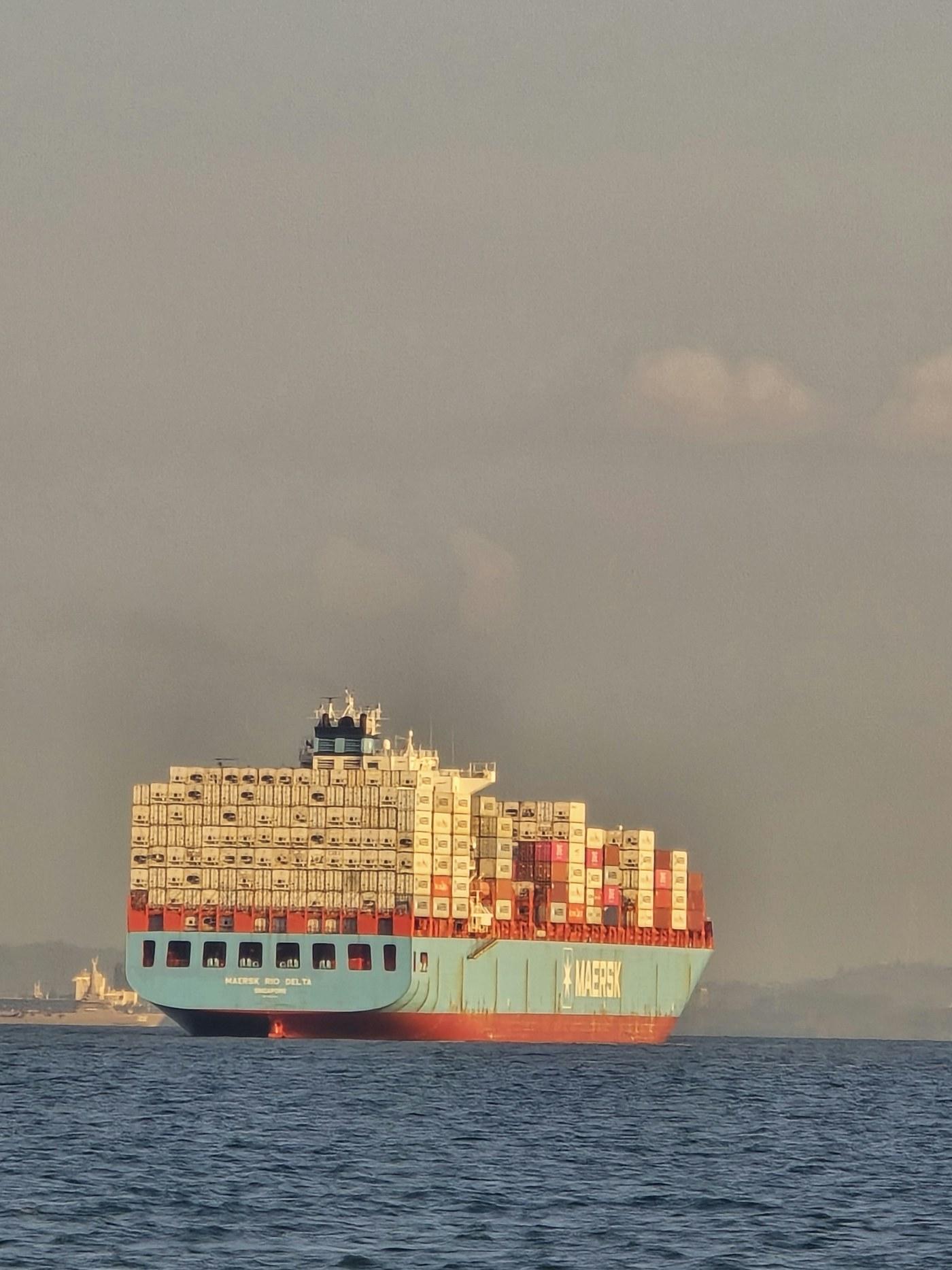
Containerschiff auf offener See bei Sonnenuntergang
02 / BRANCHEN-NEWS
Kernaussagen.
  • 01Spotraten China zur US-Westküste Quartal auf Quartal etwa 8% unter Q1-Hoch
  • 02Neue Allianz-Kapazitätsspritzen im Mai–Juni werden kurzfristige Spitzen dämpfen
  • 03Nachfrage von US-Einzelhändlern mit Vorrats-Aufbau vor Q3 könnte im Juni Platz verknappen
  • 04Auf Spitzenrouten 6–8 Wochen im Voraus buchen; LCL-Raten bleiben gegenüber 2024 erhöht
  • 05China–Nordeuropa-Raten stabil; Rotterdam-Staus fügen 3–5 Tage Transit hinzu

Market Overview

The trans-Pacific spot market closed Q1 2026 in relatively stable territory following a surge in January driven by front-loaded shipments ahead of Lunar New Year. Shanghai Containerised Freight Index (SCFI) figures show China–US West Coast rates settling near the $2,200–$2,500 per FEU range, down roughly 8% from the Q1 peak but still meaningfully above 2024 lows.

The moderation reflects a combination of factors: additional vessel deployments from the recently restructured alliances, softer consumer electronics demand in February and March, and shippers actively drawing down safety stock built during 2025. Despite this, capacity discipline among the major carriers has prevented the kind of freefall seen in mid-2023.

Alliance Reshuffles and New Capacity

The rebalancing of the major carrier alliances that took effect in February 2025 continues to ripple through the market. The Gemini Cooperation between Maersk and Hapag-Lloyd is now fully operational on trans-Pacific strings, delivering notably improved schedule reliability — Maersk reports 95%+ on-time performance on its Asia–North America services, a figure shippers have noticed.

MSC, operating independently, has expanded its own Asia–North America services with four new vessels entering service between May and July 2026. This additional capacity — estimated at 48,000 TEU per week across the alliance field — is likely to cap any significant rate spikes through Q2 unless demand accelerates faster than expected.

Q2 Demand Signals

Retail inventory data from key North American importers suggests a moderate restocking cycle is underway. Home goods, consumer electronics, and apparel shipments from China have increased through March, and logistics teams at major retailers are accelerating Q3 bookings to secure space and avoid the June crunch that has caught importers off-guard in previous years.

The National Retail Federation's import forecast for US container volumes points to a 4.2% year-on-year increase through the summer months. Combined with seasonal demand from back-to-school and early holiday inventory builds, expect June–August to see firmer rates — potentially $3,000–$3,500 per FEU on West Coast lanes if space tightens.

China–Europe: Rotterdam Congestion

On the Asia–North Europe trades, rates have held relatively firm. The key variable is congestion at Rotterdam, currently running at 3–5 extra days on inbound vessel processing, which is creating knock-on delays for inland connections to Germany, Poland, and the Benelux distribution networks.

Shippers routing through Hamburg or Antwerp are seeing somewhat cleaner operations. If your goods are destined for central or eastern Europe, discuss rail options from Hamburg or direct China–Europe rail services with your forwarder — under current port conditions, these can be competitive with sea on total door-to-door time.

What Shippers Should Do Now

  • 01Book trans-Pacific space 6–8 weeks ahead for any June or July cargo — do not wait for spot
  • 02Consider LCL consolidation as an alternative for sub-15 CBM shipments if FCL premiums spike
  • 03Ask your forwarder about premium/priority loading options on high-value or time-sensitive goods
  • 04Model Q3 logistics costs now using $3,200 per FEU as a conservative planning rate for US West Coast
  • 05For Europe-bound cargo, check Hamburg and Antwerp routing as alternatives to Rotterdam

Häufig gestellte Fragen.

Q01
Wie hoch sind die aktuellen Spotraten von China zur US-Westküste im Q2 2026?

SCFI-Daten (Shanghai Containerised Freight Index) für April 2026 setzen China–US-Westküste-Raten bei 2.200–2.500 USD pro FEU an, etwa 8% unter dem Januar-2026-Hoch, aber immer noch über den 2024-Tiefs. Raten sollen sich im Juni–August-Spitzenfenster auf 3.000–3.500 USD pro FEU verfestigen.

Q02
Wann sollte ich China–USA-Sendungen für Q2–Q3 2026 buchen?

Transpazifische Kapazität 6–8 Wochen im Voraus für Juni-/Juli-Fracht buchen. Auf Spotraten nahe der Abfahrt zu warten birgt während der saisonalen Spitzenzeit erhebliches Rollrisiko. Für Q4-Feiertagsbestände bis Anfang August 2026 buchen.

Q03
Wie wirkt sich die Gemini Cooperation auf die Fahrplan-Zuverlässigkeit aus?

Die Gemini Cooperation zwischen Maersk und Hapag-Lloyd lieferte im Q1 2026 auf Asien–Nordamerika-Diensten über 95% pünktliche Leistung — eine deutliche Verbesserung gegenüber dem 70–80%-Bereich der Post-2021-Allianzlandschaft.

Q04
Welcher europäische Hafen ist am wenigsten von der aktuellen Überlastung betroffen?

Antwerpen ist derzeit der leistungsstärkste große Nordeuropa-Hafen, mit kürzeren Schiffswartezeiten als Rotterdam (3–7 Tage Verzögerung) und Hamburg (2–4 Tage Verzögerung). Für zeitkritische Fracht nach Zentral- oder Westeuropa kann eine Antwerpen-Route 3–5 Tage Transit sparen.

Q05
Welche Planungsrate sollte ich für Q3 2026 US-Westküste-Fracht modellieren?

3.200 USD pro FEU ist eine konservative Planungszahl für Budgetzwecke und spiegelt die erwartete Juni–August-Verfestigung wider, da Einzelhandels-Wiederbefüllungsvolumen vor Q4 aufgebaut werden.

  • [01]Shanghai Containerised Freight Index (SCFI) — Shanghai Shipping Exchange
  • [02]NRF Global Port Tracker — National Retail Federation
  • [03]Maersk Q1 2026 schedule reliability report
SZViper Operations Desk

Das Operationsteam von SZViper übernimmt tägliche Exportabfertigung, Carrier-Beziehungen und Zielstellung über sieben Lager auf drei Kontinenten.

Bereit zum Versenden?

Erhalten Sie ein kostenloses Angebot und erfahren Sie, wie Viper Supply Chain Ihre Lieferkette von China in die Welt optimieren kann.

Kostenloses Angebot Anfordern