Congestión portuaria en 2026: cómo proteger su cadena de suministro.

La congestión en los principales puertos de contenedores europeos y norteamericanos está añadiendo retrasos impredecibles a cadenas de suministro que apenas se habían estabilizado tras el ciclo de disrupción de 2021–2023. Comprender el panorama actual le ayuda a planificar en torno a él.

SZViper Operations Desk
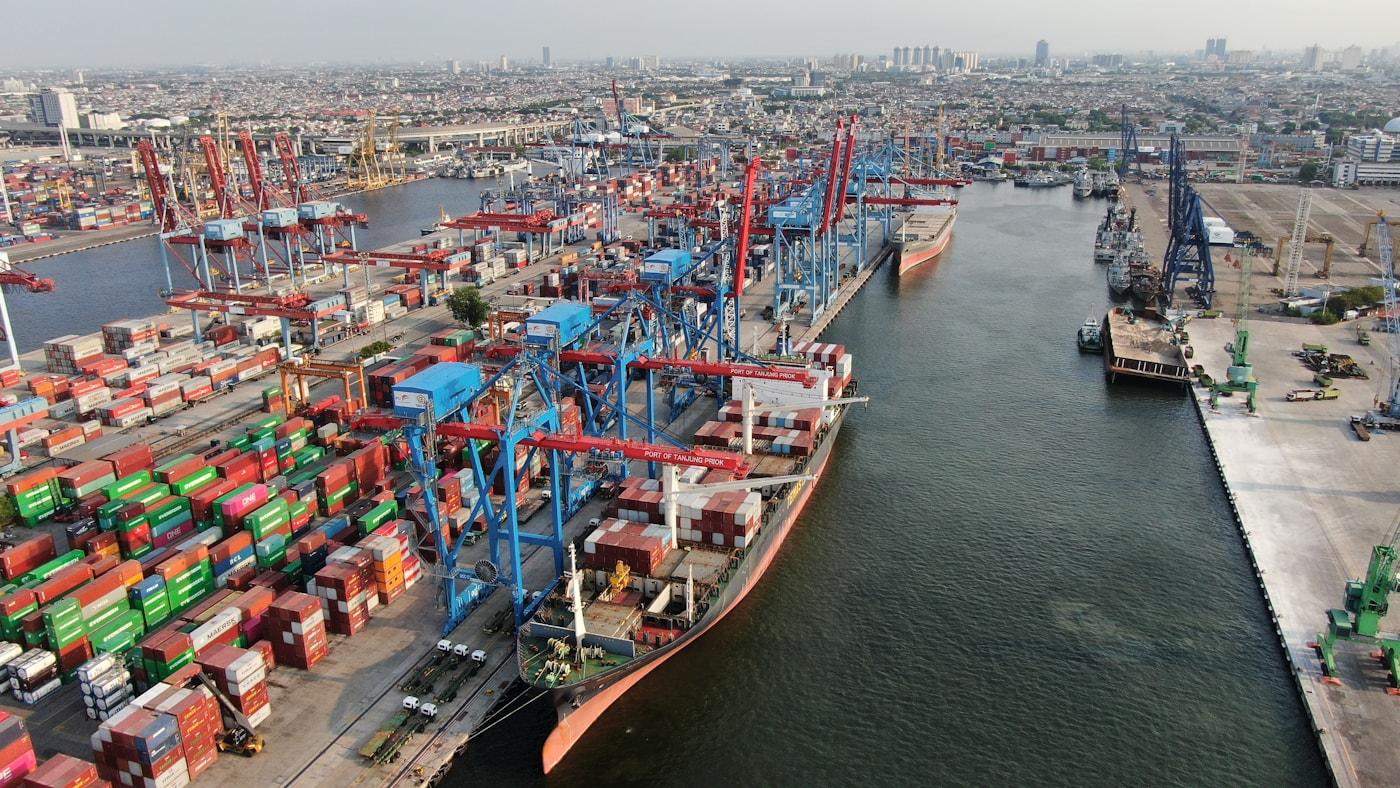
Puerto marítimo concurrido con grúas y contenedores de carga desde vista aérea
07 / NOTICIAS DEL SECTOR
Puntos clave.
  • 01Rotterdam y Hamburgo reportan esperas de buque de 3–7 días en el Q1 2026
  • 02La congestión en Felixstowe se suaviza; Amberes emerge como la alternativa más limpia para el Norte de Europa
  • 03Los puertos de la Costa Este de EE. UU. (Nueva York, Savannah) acumulan atrasos de 2–5 días en buques entrantes
  • 04Se recomienda stock de seguridad de 4–6 semanas para inventario crítico frente a las 2–3 semanas tradicionales
  • 05Las conexiones ferroviarias desde puertos alemanes hacia Europa central rinden mejor que la carretera con los volúmenes actuales

The Current Situation

Global container port throughput reached record levels in late 2025 and early 2026, driven by a combination of recovered consumer demand, restocking cycles, and front-loaded shipments as importers sought to avoid anticipated tariff changes. This volume surge, combined with the knock-on effects of vessel reroutings following continued Red Sea tensions, has generated congestion at ports that were considered operationally clean as recently as mid-2024.

The pattern is uneven: some ports are handling volumes well, while others are under significant strain. Understanding which ports affect your lanes is the first step to routing around the worst delays.

Port-by-Port Situation

  • 01Rotterdam (Netherlands): 3–7 day vessel wait times; berth availability tight; inland connections via barge improving but road drayage congested
  • 02Hamburg (Germany): 2–4 day delays at CTA terminal; better rail connections making Hamburg a viable alternative for central European distribution
  • 03Antwerp (Belgium): Currently the best-performing major Northern European port — consider this for time-sensitive European cargo
  • 04Felixstowe (UK): Congestion easing after peak; 1–3 day vessel waits; customs clearance at Tilbury sometimes faster
  • 05New York/New Jersey (US): 2–5 day anchorage waits; inland chassis shortage adding to drayage delays
  • 06Savannah (US): Running more smoothly than NYNJ; strong intermodal connections for US Southeast and Midwest distribution
  • 07Long Beach/LA (US West Coast): Relatively stable at present; watch Q2 as restocking volumes build

Impact on Transit Times

The practical impact on shippers is a transit time uncertainty that makes traditional just-in-time inventory models risky. A shipment that nominally takes 28 days from Shenzhen to Rotterdam can arrive in 31–38 days under current conditions, with no reliable way to predict which end of that range applies to any given sailing.

For businesses that have tightened inventory to reduce working capital, this variability is costly: stockouts, expediting fees, and the premium of emergency air freight can far exceed the savings from running lean stock. The companies managing port congestion best in 2026 are those that have accepted a structural increase in their safety stock requirements and priced it into their models.

Mitigation Strategies

  • 01Build 4–6 weeks safety stock for fast-moving or margin-critical SKUs — the 2-week buffer that worked pre-2020 is no longer sufficient on congested lanes
  • 02Diversify port routing where possible: if Rotterdam is your default, ask your forwarder to quote Hamburg or Antwerp as alternatives
  • 03Use rail for inland European distribution from Hamburg — current road congestion around major ports makes rail competitive on transit time to Germany, Austria, and Poland
  • 04Book space earlier — carrier block bookings and long-term contracts provide priority loading that spot bookings often cannot
  • 05Consider air freight as a partial solution for high-value, low-volume cargo that cannot tolerate port variability
  • 06Use a forwarder with real-time vessel tracking and proactive exception management — knowing about a delay 5 days before it affects your delivery window beats knowing on delivery day

Looking Ahead

Port congestion is unlikely to resolve quickly. Structural factors — including fleet deployment patterns from the alliance reshuffles, the ongoing Red Sea routing detour, and sustained import demand — suggest elevated variability through at least Q3 2026. Shippers should plan accordingly, and engage their freight forwarder now to review routing and contingency options before the June–July peak season adds further pressure.

Preguntas frecuentes.

Q01
¿Qué puertos principales tienen la peor congestión en 2026?

A fecha del Q1 2026, Rotterdam (esperas de buque de 3–7 días), Nueva York/Nueva Jersey (esperas de fondeo de 2–5 días) y Hamburgo (retrasos de 2–4 días en CTA) son los principales puertos de contenedores más congestionados. Amberes, Long Beach/LA y Savannah funcionan comparativamente con fluidez.

Q02
¿Cuánto stock de seguridad deben tener los importadores en 2026?

Cree de 4–6 semanas de stock de seguridad para SKUs de alto giro o margen crítico. El colchón anterior a 2020 de 2 semanas ya no es suficiente dada la variabilidad actual de los tiempos de tránsito. El coste de ruptura de stock más las primas de flete aéreo de emergencia suelen superar el coste de capital de trabajo de mayor inventario.

Q03
¿Es Amberes una alternativa viable a Rotterdam?

Sí. Amberes es actualmente el puerto principal del Norte de Europa con mejor rendimiento y un sustituto viable de Rotterdam en la mayoría de rutas comerciales. Las conexiones terrestres a Alemania, Francia y las redes de distribución del Benelux son sólidas, y el puerto es una escala directa para la mayoría de los servicios Asia–Europa.

Q04
¿Es el ferrocarril competitivo con el camión para la distribución europea?

Sí, bajo las condiciones actuales de congestión vial. Las conexiones ferroviarias desde Hamburgo a Europa central (Alemania, Austria, Polonia, República Checa) superan al camión tanto en tiempo de tránsito como en fiabilidad. Hable con su transitario sobre opciones ferroviarias al enrutar por puertos alemanes.

Q05
¿Se resolverá la congestión portuaria en 2026?

Es poco probable que se resuelva rápidamente. Los factores estructurales (redespliegue de alianzas, desvío del Mar Rojo, demanda de importación sostenida) sugieren variabilidad elevada hasta al menos el Q3 2026. Planifique según las condiciones actuales en lugar de suponer una normalización a corto plazo.

  • [01]Dynaliners weekly port productivity report
  • [02]Hamburg Port Authority operational updates
  • [03]Port of Antwerp–Bruges throughput data
SZViper Operations Desk

El equipo de operaciones de SZViper gestiona el despacho diario de exportación, las relaciones con las navieras y la entrega en destino a través de siete almacenes en tres continentes.

¿Listo para Enviar?

Obtenga una cotización gratuita y descubra cómo Viper Supply Chain puede optimizar su cadena de suministro desde China al mundo.

Solicitar Cotización Gratuita