Congestione portuale nel 2026: come proteggere la tua supply chain.

La congestione nei principali porti container europei e nordamericani sta aggiungendo ritardi imprevedibili a supply chain che si erano stabilizzate solo dopo il ciclo di disruption 2021–2023. Comprendere il panorama attuale aiuta a pianificare.

SZViper Operations Desk
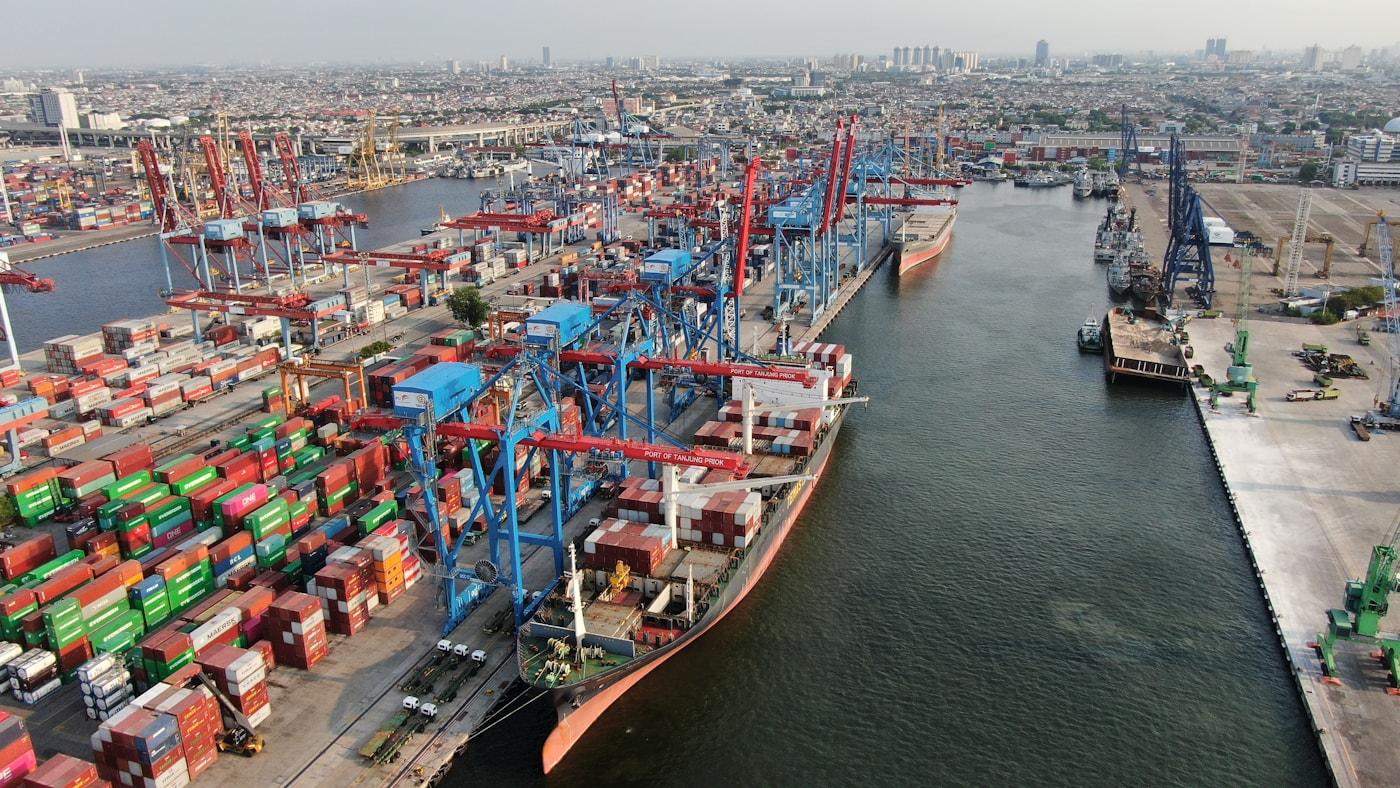
Porto merci trafficato con gru e container vista aerea
07 / NOTIZIE DI SETTORE
Punti chiave.
  • 01Rotterdam e Amburgo segnalano attese nave di 3–7 giorni nel Q1 2026
  • 02La congestione a Felixstowe si sta allentando; Anversa emerge come alternativa più pulita per il Nord Europa
  • 03I porti costa est USA (New York, Savannah) accumulano arretrati di 2–5 giorni su navi in arrivo
  • 04Scorta di sicurezza di 4–6 settimane raccomandata per inventario critico contro le 2–3 settimane tradizionali
  • 05Connessioni ferroviarie dai porti tedeschi al centro Europa performano meglio della strada con volumi attuali

The Current Situation

Global container port throughput reached record levels in late 2025 and early 2026, driven by a combination of recovered consumer demand, restocking cycles, and front-loaded shipments as importers sought to avoid anticipated tariff changes. This volume surge, combined with the knock-on effects of vessel reroutings following continued Red Sea tensions, has generated congestion at ports that were considered operationally clean as recently as mid-2024.

The pattern is uneven: some ports are handling volumes well, while others are under significant strain. Understanding which ports affect your lanes is the first step to routing around the worst delays.

Port-by-Port Situation

  • 01Rotterdam (Netherlands): 3–7 day vessel wait times; berth availability tight; inland connections via barge improving but road drayage congested
  • 02Hamburg (Germany): 2–4 day delays at CTA terminal; better rail connections making Hamburg a viable alternative for central European distribution
  • 03Antwerp (Belgium): Currently the best-performing major Northern European port — consider this for time-sensitive European cargo
  • 04Felixstowe (UK): Congestion easing after peak; 1–3 day vessel waits; customs clearance at Tilbury sometimes faster
  • 05New York/New Jersey (US): 2–5 day anchorage waits; inland chassis shortage adding to drayage delays
  • 06Savannah (US): Running more smoothly than NYNJ; strong intermodal connections for US Southeast and Midwest distribution
  • 07Long Beach/LA (US West Coast): Relatively stable at present; watch Q2 as restocking volumes build

Impact on Transit Times

The practical impact on shippers is a transit time uncertainty that makes traditional just-in-time inventory models risky. A shipment that nominally takes 28 days from Shenzhen to Rotterdam can arrive in 31–38 days under current conditions, with no reliable way to predict which end of that range applies to any given sailing.

For businesses that have tightened inventory to reduce working capital, this variability is costly: stockouts, expediting fees, and the premium of emergency air freight can far exceed the savings from running lean stock. The companies managing port congestion best in 2026 are those that have accepted a structural increase in their safety stock requirements and priced it into their models.

Mitigation Strategies

  • 01Build 4–6 weeks safety stock for fast-moving or margin-critical SKUs — the 2-week buffer that worked pre-2020 is no longer sufficient on congested lanes
  • 02Diversify port routing where possible: if Rotterdam is your default, ask your forwarder to quote Hamburg or Antwerp as alternatives
  • 03Use rail for inland European distribution from Hamburg — current road congestion around major ports makes rail competitive on transit time to Germany, Austria, and Poland
  • 04Book space earlier — carrier block bookings and long-term contracts provide priority loading that spot bookings often cannot
  • 05Consider air freight as a partial solution for high-value, low-volume cargo that cannot tolerate port variability
  • 06Use a forwarder with real-time vessel tracking and proactive exception management — knowing about a delay 5 days before it affects your delivery window beats knowing on delivery day

Looking Ahead

Port congestion is unlikely to resolve quickly. Structural factors — including fleet deployment patterns from the alliance reshuffles, the ongoing Red Sea routing detour, and sustained import demand — suggest elevated variability through at least Q3 2026. Shippers should plan accordingly, and engage their freight forwarder now to review routing and contingency options before the June–July peak season adds further pressure.

Domande frequenti.

Q01
Quali porti principali hanno la peggior congestione nel 2026?

Nel Q1 2026, Rotterdam (3–7 giorni attesa nave), New York/New Jersey (2–5 giorni attesa all'ancora) e Amburgo (2–4 giorni ritardi al CTA) sono i principali porti container più congestionati. Anversa, Long Beach/LA e Savannah girano relativamente fluidi.

Q02
Quanta scorta di sicurezza dovrebbero tenere gli importatori nel 2026?

Costruisci 4–6 settimane di scorta di sicurezza per SKU ad alto turnover o a margine critico. Il buffer pre-2020 di 2 settimane non è più sufficiente data la variabilità attuale dei tempi di transito. Costi di stockout più premi di trasporto aereo d'emergenza superano tipicamente il costo del capitale circolante di un inventario maggiore.

Q03
Anversa è un'alternativa praticabile a Rotterdam?

Sì. Anversa è attualmente il miglior porto principale del Nord Europa e un sostituto praticabile di Rotterdam sulla maggior parte delle rotte commerciali. Le connessioni interne verso Germania, Francia e le reti di distribuzione Benelux sono solide, e il porto è uno scalo diretto per la maggior parte dei servizi Asia–Europa.

Q04
La ferrovia è competitiva con il camion per la distribuzione europea?

Sì, nelle attuali condizioni di congestione stradale. Le connessioni ferroviarie da Amburgo al centro Europa (Germania, Austria, Polonia, Repubblica Ceca) superano il camion sia in tempo di transito che in affidabilità. Discuti opzioni ferroviarie con il tuo spedizioniere per il routing via porti tedeschi.

Q05
La congestione portuale si risolverà nel 2026?

Improbabile che si risolva rapidamente. Fattori strutturali — ridispiegamento alleanze, deviazione Mar Rosso, domanda import sostenuta — suggeriscono variabilità elevata fino almeno al Q3 2026. Pianifica per le condizioni attuali invece di supporre una normalizzazione a breve termine.

  • [01]Dynaliners weekly port productivity report
  • [02]Hamburg Port Authority operational updates
  • [03]Port of Antwerp–Bruges throughput data
SZViper Operations Desk

Il team operativo di SZViper gestisce lo sdoganamento export quotidiano, le relazioni con i vettori e la consegna a destinazione attraverso sette magazzini su tre continenti.

Pronto a Spedire?

Ottieni un preventivo gratuito e scopri come Viper Supply Chain può ottimizzare la tua catena di approvvigionamento dalla Cina al mondo.

Richiedi Preventivo Gratuito