Prospettive delle tariffe merci transpacifiche: cosa aspettarsi nel Q2 2026.

Le tariffe spot sulle rotte Cina–Nord America si sono allentate dopo un Q1 volatile, ma nuovi rimpasti di alleanze e domanda stagionale sono pronti a ridefinire il quadro. Ecco cosa devono tenere d'occhio i caricatori in vista del Q2.

SZViper Operations Desk
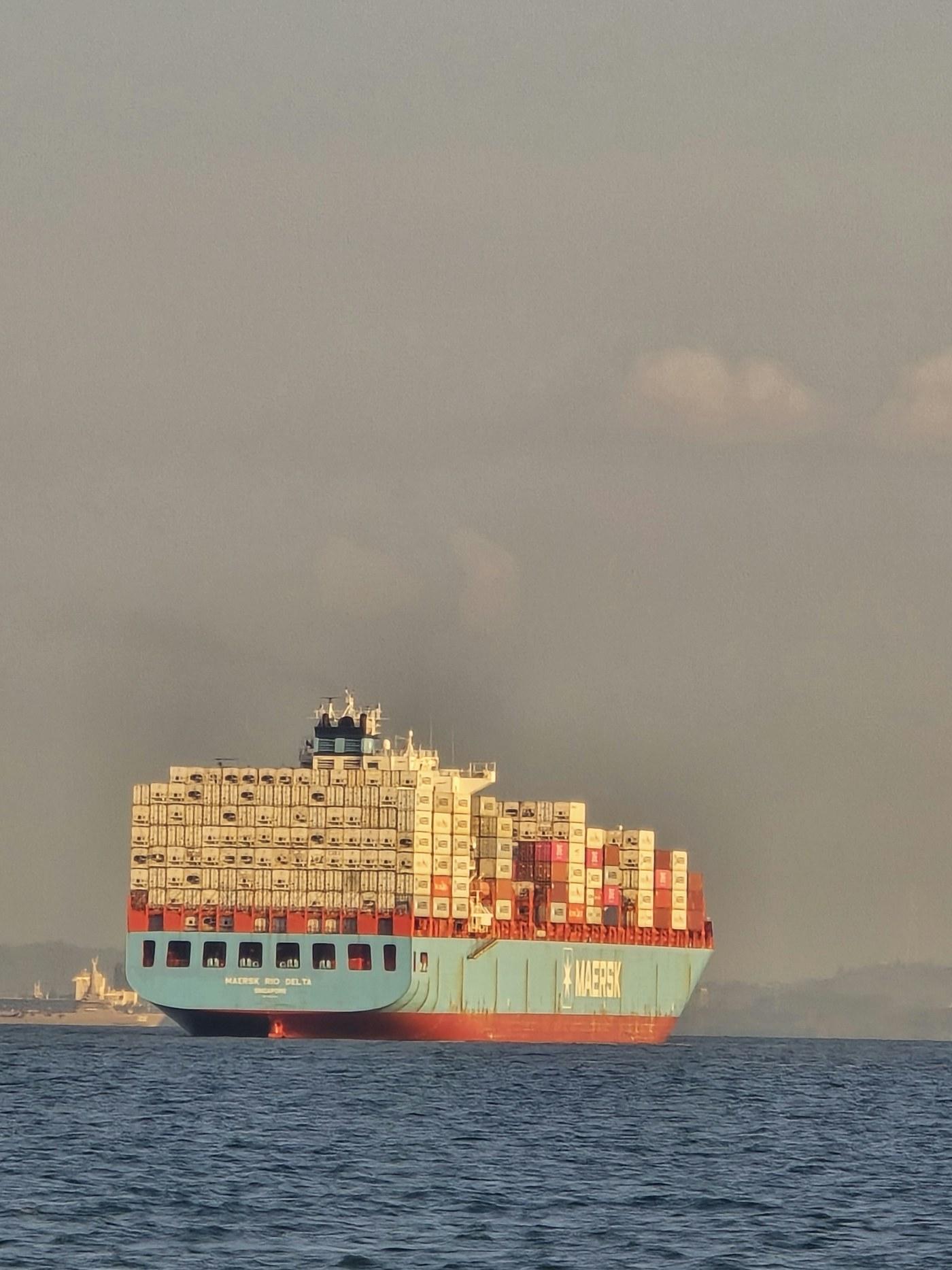
Portacontainer in navigazione in mare aperto al tramonto
02 / NOTIZIE DI SETTORE
Punti chiave.
  • 01Tariffe spot da Cina a costa ovest USA in calo di circa l'8% su base trimestrale dopo il picco del Q1
  • 02Le nuove iniezioni di capacità delle alleanze previste per maggio–giugno comprimeranno i picchi a breve termine
  • 03La domanda dei retailer USA che ricostruiscono scorte prima del Q3 potrebbe stringere lo spazio a giugno
  • 04Prenotare 6–8 settimane in anticipo sulle rotte di punta; le tariffe LCL restano elevate rispetto al 2024
  • 05Tariffe Cina–Nord Europa stabili; congestione Rotterdam aggiunge 3–5 giorni di transito

Market Overview

The trans-Pacific spot market closed Q1 2026 in relatively stable territory following a surge in January driven by front-loaded shipments ahead of Lunar New Year. Shanghai Containerised Freight Index (SCFI) figures show China–US West Coast rates settling near the $2,200–$2,500 per FEU range, down roughly 8% from the Q1 peak but still meaningfully above 2024 lows.

The moderation reflects a combination of factors: additional vessel deployments from the recently restructured alliances, softer consumer electronics demand in February and March, and shippers actively drawing down safety stock built during 2025. Despite this, capacity discipline among the major carriers has prevented the kind of freefall seen in mid-2023.

Alliance Reshuffles and New Capacity

The rebalancing of the major carrier alliances that took effect in February 2025 continues to ripple through the market. The Gemini Cooperation between Maersk and Hapag-Lloyd is now fully operational on trans-Pacific strings, delivering notably improved schedule reliability — Maersk reports 95%+ on-time performance on its Asia–North America services, a figure shippers have noticed.

MSC, operating independently, has expanded its own Asia–North America services with four new vessels entering service between May and July 2026. This additional capacity — estimated at 48,000 TEU per week across the alliance field — is likely to cap any significant rate spikes through Q2 unless demand accelerates faster than expected.

Q2 Demand Signals

Retail inventory data from key North American importers suggests a moderate restocking cycle is underway. Home goods, consumer electronics, and apparel shipments from China have increased through March, and logistics teams at major retailers are accelerating Q3 bookings to secure space and avoid the June crunch that has caught importers off-guard in previous years.

The National Retail Federation's import forecast for US container volumes points to a 4.2% year-on-year increase through the summer months. Combined with seasonal demand from back-to-school and early holiday inventory builds, expect June–August to see firmer rates — potentially $3,000–$3,500 per FEU on West Coast lanes if space tightens.

China–Europe: Rotterdam Congestion

On the Asia–North Europe trades, rates have held relatively firm. The key variable is congestion at Rotterdam, currently running at 3–5 extra days on inbound vessel processing, which is creating knock-on delays for inland connections to Germany, Poland, and the Benelux distribution networks.

Shippers routing through Hamburg or Antwerp are seeing somewhat cleaner operations. If your goods are destined for central or eastern Europe, discuss rail options from Hamburg or direct China–Europe rail services with your forwarder — under current port conditions, these can be competitive with sea on total door-to-door time.

What Shippers Should Do Now

  • 01Book trans-Pacific space 6–8 weeks ahead for any June or July cargo — do not wait for spot
  • 02Consider LCL consolidation as an alternative for sub-15 CBM shipments if FCL premiums spike
  • 03Ask your forwarder about premium/priority loading options on high-value or time-sensitive goods
  • 04Model Q3 logistics costs now using $3,200 per FEU as a conservative planning rate for US West Coast
  • 05For Europe-bound cargo, check Hamburg and Antwerp routing as alternatives to Rotterdam

Domande frequenti.

Q01
Quali sono le tariffe spot attuali Cina–costa ovest USA nel Q2 2026?

I dati Shanghai Containerised Freight Index (SCFI) di aprile 2026 collocano le tariffe Cina–costa ovest USA nella fascia 2.200–2.500 USD per FEU, circa l'8% sotto il picco di gennaio 2026 ma ancora sopra i minimi del 2024. Si prevede che le tariffe si rafforzino a 3.000–3.500 USD per FEU durante la finestra di picco giugno–agosto.

Q02
Quando dovrei prenotare spedizioni Cina–USA per Q2–Q3 2026?

Prenotare spazio transpacifico 6–8 settimane in anticipo per qualsiasi carico di giugno o luglio. Attendere le tariffe spot vicino alla partenza comporta un rischio concreto di carico rolling durante il picco stagionale. Per scorte delle festività Q4, prenotare entro inizio agosto 2026.

Q03
Come influisce la Gemini Cooperation sull'affidabilità degli orari?

La Gemini Cooperation tra Maersk e Hapag-Lloyd ha registrato oltre il 95% di puntualità sui servizi Asia–Nord America nel Q1 2026, un miglioramento significativo rispetto alla fascia 70–80% che caratterizzava il panorama delle alleanze post-2021.

Q04
Quale porto europeo è meno colpito dalla congestione attuale?

Anversa è attualmente il miglior porto principale del Nord Europa, con tempi di attesa più brevi rispetto a Rotterdam (3–7 giorni) e Amburgo (2–4 giorni). Per carichi time-sensitive destinati all'Europa centrale o occidentale, il routing via Anversa può ridurre di 3–5 giorni il transito totale.

Q05
Quale tariffa di pianificazione dovrei modellare per il trasporto costa ovest USA nel Q3 2026?

3.200 USD per FEU è una cifra prudente di pianificazione a fini di budget, che riflette il rafforzamento atteso tra giugno e agosto mentre i volumi di riassortimento retail salgono prima delle festività Q4.

  • [01]Shanghai Containerised Freight Index (SCFI) — Shanghai Shipping Exchange
  • [02]NRF Global Port Tracker — National Retail Federation
  • [03]Maersk Q1 2026 schedule reliability report
SZViper Operations Desk

Il team operativo di SZViper gestisce lo sdoganamento export quotidiano, le relazioni con i vettori e la consegna a destinazione attraverso sette magazzini su tre continenti.

Pronto a Spedire?

Ottieni un preventivo gratuito e scopri come Viper Supply Chain può ottimizzare la tua catena di approvvigionamento dalla Cina al mondo.

Richiedi Preventivo Gratuito