FCL vs LCL: kompletny przewodnik dla importerów z Chin.

Pełny kontener (FCL) lub drobnica (LCL) — wybór bezpośrednio wpływa na koszt, czas tranzytu i ryzyko. Ten przewodnik rozkłada oba tryby i daje jasne ramy do podjęcia decyzji.

SZViper Operations Desk
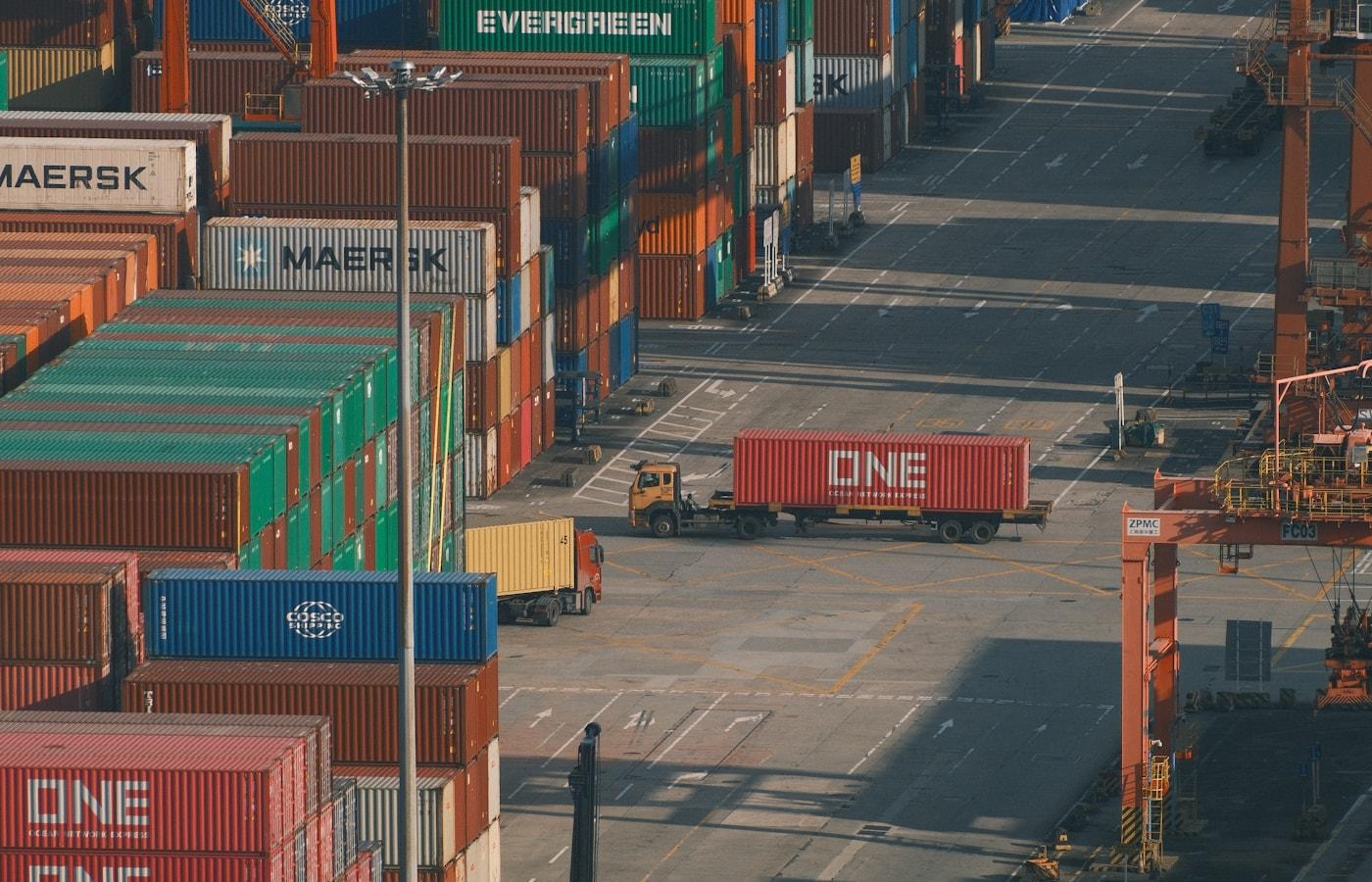
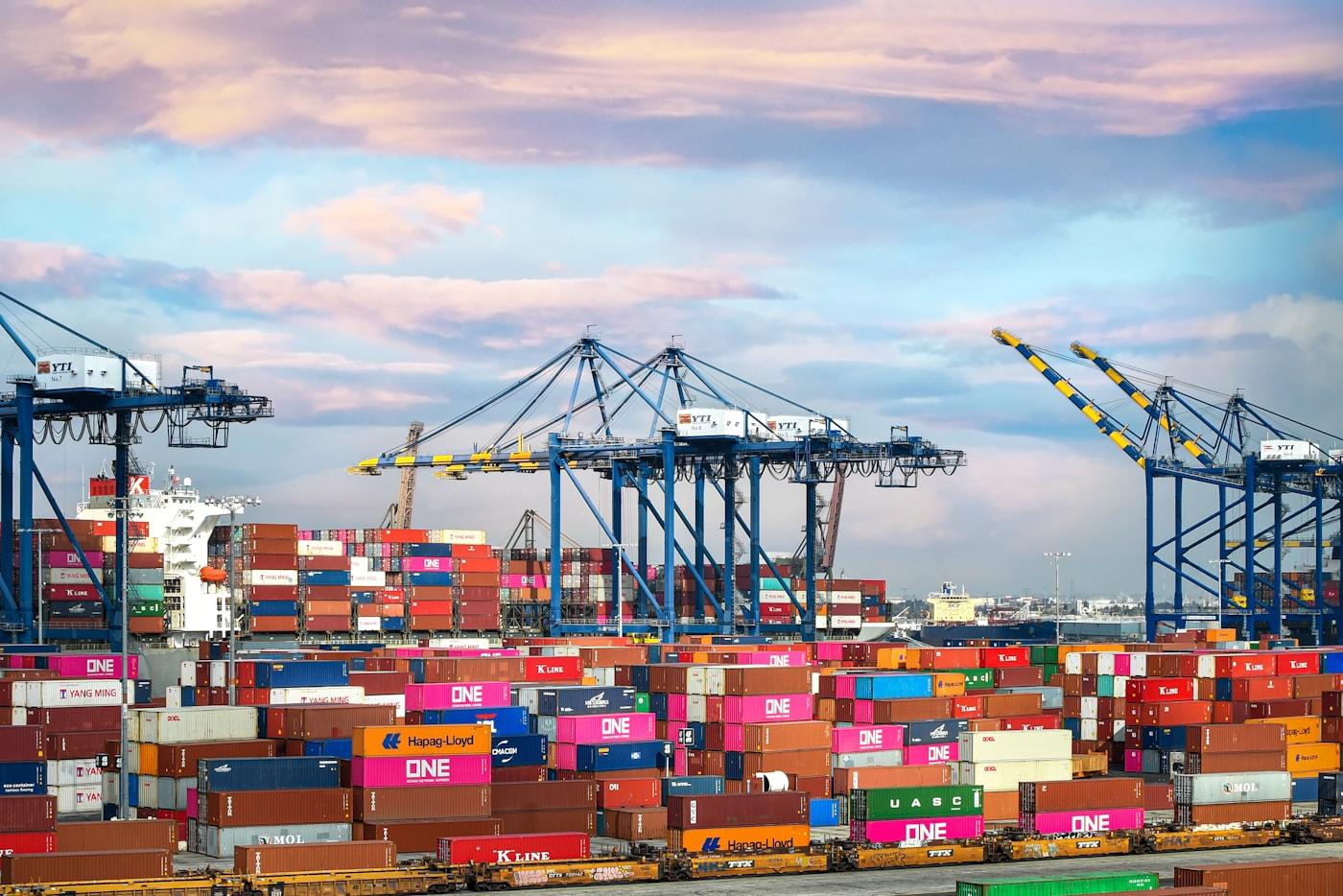
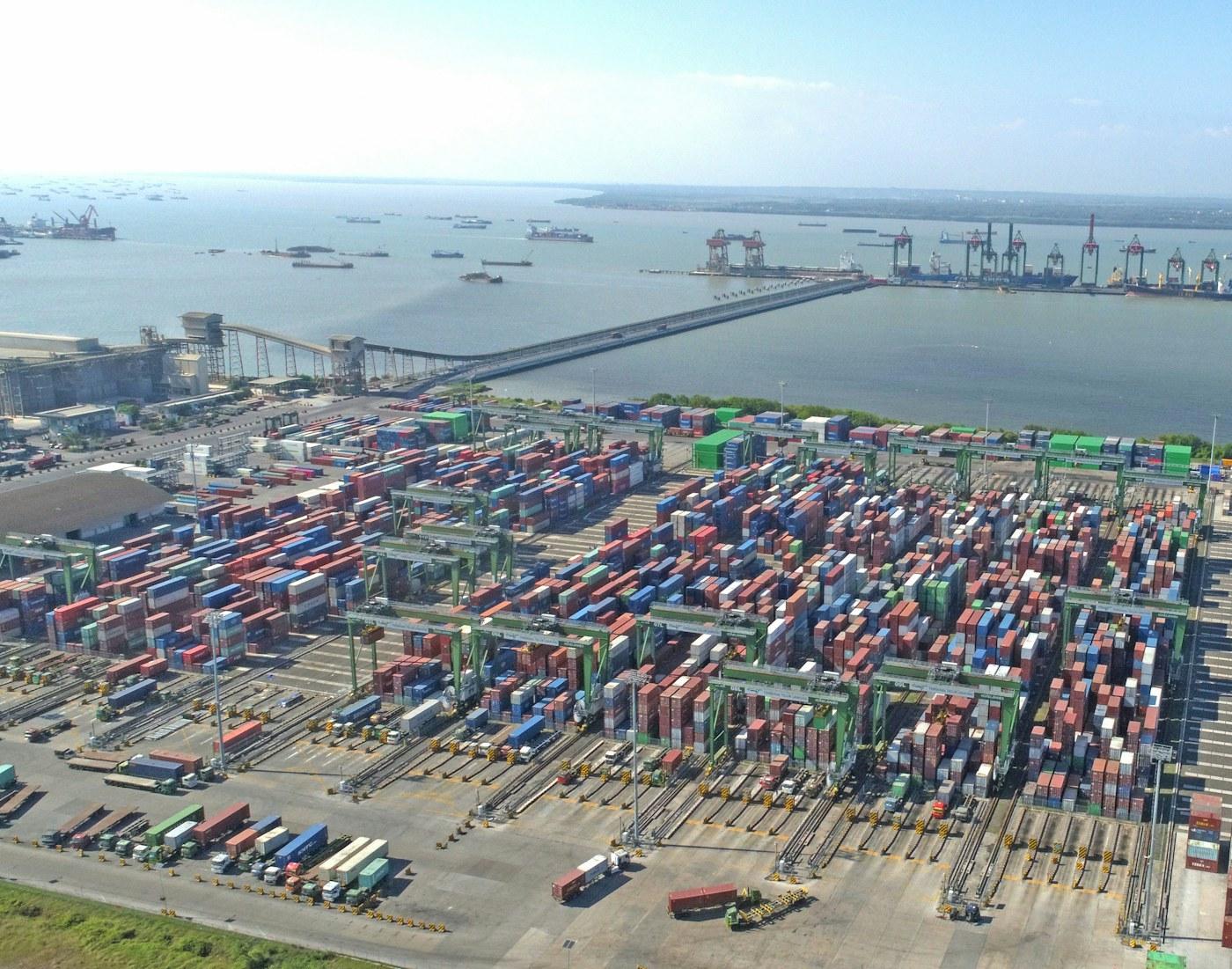
Widok z lotu ptaka na ruchliwy port morski z kontenerami
03 / PRZEWODNIK SPEDYCYJNY
Kluczowe wnioski.
  • 01FCL jest opłacalny od około 15–20 CBM (wypełnia mniej więcej pół kontenera 20-stopowego)
  • 02LCL nadaje się do mniejszych objętości, ale dodaje 3–7 dni konsolidacji i dekonsolidacji
  • 03FCL niesie niższe ryzyko uszkodzenia i kontaminacji, ponieważ tylko twój ładunek jest w kontenerze
  • 04Stawki LCL za CBM wzrosły w 2025–2026; porównuj przed założeniem, że jest tańszy
  • 05Towary wrażliwe lub wysokowartościowe prawie zawsze uzasadniają FCL niezależnie od objętości

What Is FCL?

Full Container Load (FCL) means you book an entire shipping container for your exclusive use. You pay for the container as a unit, regardless of how much space you actually fill. Standard container sizes are the 20-foot (20GP, roughly 25–28 CBM usable) and 40-foot (40GP, roughly 58–60 CBM usable), with the 40-foot High Cube (40HC, ~76 CBM) the most popular choice for high-volume importers.

With FCL, your cargo is loaded at origin, sealed, and that same container arrives at destination. No other shipper's goods enter your container. This makes FCL the standard choice for established importers with consistent volume, time-sensitive or high-value goods, and cargo that cannot share space with unknown commodities.

What Is LCL?

Less than Container Load (LCL) consolidates your cargo with goods from multiple shippers into a single container. The container is filled by a freight forwarder or consolidator at a Container Freight Station (CFS) in China, shipped to destination, then de-consolidated at another CFS before your cargo is released to you.

You pay per cubic metre (CBM) or per tonne (whichever is greater), plus a range of CFS handling charges. LCL is the natural choice for importers who are starting out, running pilot orders, or simply do not have the volume to justify a full container.

The Cost Comparison

The crossover point between FCL and LCL economics has shifted upward in recent years as LCL base rates and CFS surcharges have increased. As a rough guide for 2026:

A 20-foot FCL from Shenzhen to Felixstowe might cost $1,800–$2,400 all-in under current market rates. The same lane via LCL might be priced at $45–$65 per CBM including basic surcharges, but excluding destination CFS fees, which can add $80–$150 per shipment.

The implication: if your cargo is above roughly 12–15 CBM, get a specific FCL quote — you may find the per-CBM cost is already competitive or lower, and you gain the handling and risk benefits below.

Risk and Handling Differences

  • 01FCL: your goods are only handled at loading and unloading — far fewer touch points and much lower damage risk
  • 02LCL: cargo is handled at origin CFS, consolidated with other goods, de-consolidated at destination CFS, and then released — each touch point is a damage opportunity
  • 03LCL contamination risk: if another shipper's goods in the same container have an issue (odour, pest, customs hold), your cargo can be delayed or quarantined
  • 04FCL preferred for: fragile goods, high-value electronics, food products, goods with strict customs requirements
  • 05LCL acceptable for: non-fragile samples, pilot orders, low-value industrial parts where delay is tolerable

Transit Time Comparison

FCL transit times reflect pure sailing time plus port operations — typically 28–32 days from Chinese ports to Northern Europe and 16–20 days to US West Coast ports.

LCL adds 3–7 days at each end for consolidation and de-consolidation. In practice, expect 35–42 days to Northern Europe via LCL, and 22–28 days to US West Coast. For time-sensitive inventory restocking, FCL is nearly always the better operational choice.

How to Choose: A Decision Framework

  • 01Volume under 5 CBM: LCL is almost always the right answer
  • 02Volume 5–15 CBM: compare specific FCL and LCL quotes on your exact lane and cargo type
  • 03Volume above 15 CBM: request an FCL quote — economics usually favour FCL at this point
  • 04Sensitive or high-value goods: FCL regardless of volume
  • 05Tight delivery window: FCL whenever possible
  • 06Regular monthly shipments: consider booking a regular FCL slot with your forwarder for rate stability

Najczęściej zadawane pytania.

Q01
Kiedy FCL staje się tańszy niż LCL?

Punkt przecięcia 2026 to około 12–15 CBM. Powyżej tej objętości FCL 20-stopowy Shenzhen–Europa Północna (1 800–2 400 USD wszystko w cenie) kosztuje zazwyczaj mniej za CBM niż LCL po 45–65 USD za CBM po dodaniu opłat CFS 80–150 USD za wysyłkę.

Q02
O ile LCL jest wolniejszy niż FCL?

LCL dodaje 3–7 dni na każdym końcu na konsolidację w Container Freight Station (CFS) w miejscu nadania i dekonsolidację w miejscu docelowym. 28–32-dniowy rejs Shenzhen–Europa Północna w FCL trwa zazwyczaj 35–42 dni w LCL.

Q03
Czy LCL jest bezpieczny dla towarów kruchych lub wysokowartościowych?

LCL niesie wyższe ryzyko dla kruchego ładunku, ponieważ towary są wielokrotnie manipulowane w obu obiektach CFS i dzielą kontener z nieznanymi towarami. Dla towarów kruchych, wysokowartościowych lub wrażliwych na zgodność, FCL jest zdecydowanie zalecany niezależnie od objętości.

Q04
Jaka jest użyteczna pojemność kubiczna standardowych kontenerów?

Użyteczna pojemność: 20-stopowy (20GP) mieści 25–28 CBM, 40-stopowy (40GP) mieści 58–60 CBM, a 40-stopowy High Cube (40HC) około 76 CBM. Maksymalne ładowności to odpowiednio 28, 26,5 i 27 ton.

Q05
Czy mogę łączyć wysyłki FCL i LCL w regularnych zamówieniach?

Tak. Wielu doświadczonych importerów używa LCL dla małych zamówień uzupełniających i FCL dla głównych wysyłek na tej samej trasie handlowej. Zarezerwuj regularne okno FCL u swojego spedytora dla stabilności stawek na trasach dużego wolumenu.

  • [01]SZViper commercial pricing desk — Q2 2026 lane rates
  • [02]ISO container dimension standards (ISO 668)
SZViper Operations Desk

Zespół operacyjny SZViper zajmuje się codzienną odprawą eksportową, relacjami z przewoźnikami i dostawami w miejscu docelowym poprzez siedem magazynów na trzech kontynentach.

Gotowy do Wysyłki?

Uzyskaj bezpłatną wycenę i odkryj, jak Viper Supply Chain może zoptymalizować Twój łańcuch dostaw z Chin na cały świat.

Zapytaj o Bezpłatną Wycenę