FCL 与 LCL:中国进口商的完整指南.

整柜 (FCL) 还是拼箱 (LCL) — 选择直接影响成本、运输时间和风险。本指南详解两种方式,提供清晰的决策框架。
SZViper Operations Desk
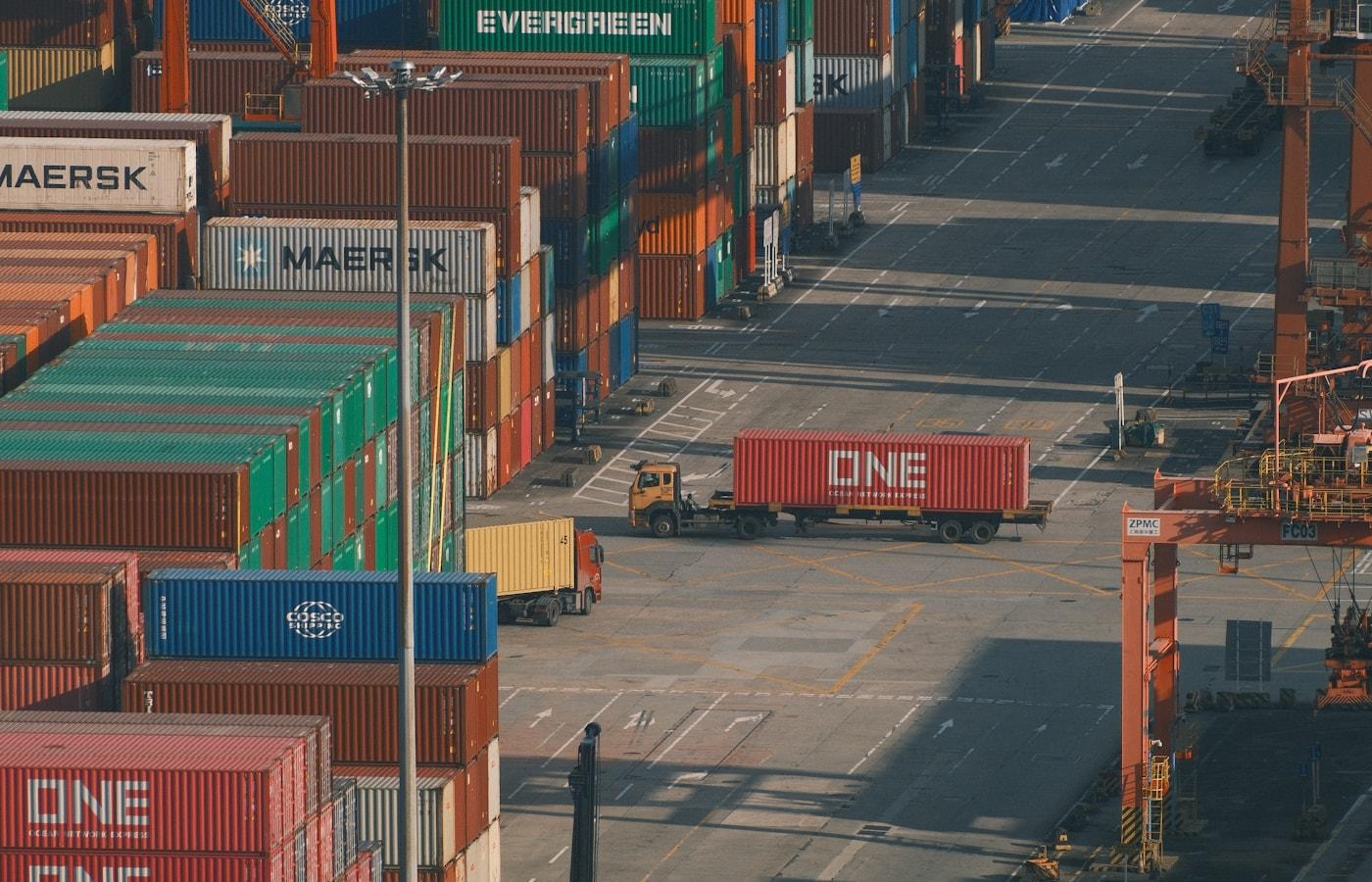
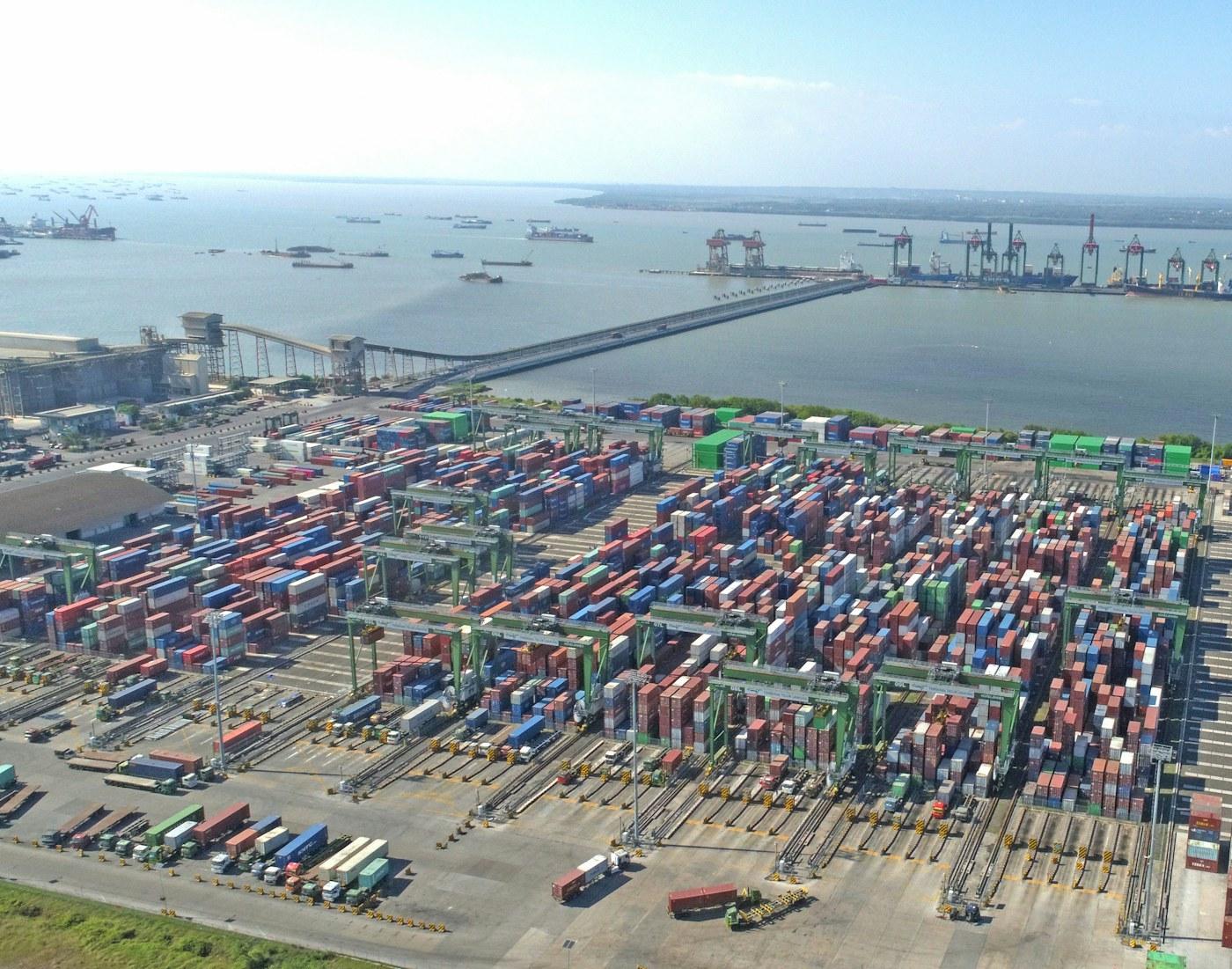
繁忙货运港口及堆叠集装箱的鸟瞰图
03 / 货运指南
关键要点
  • 01当货量达到约 15–20 CBM(大约半个 20 尺柜)时 FCL 更具成本优势
  • 02LCL 适合较小货量,但在两端合计增加 3–7 天拼拆箱时间
  • 03FCL 风险更低,因为柜内仅装您的货物,无损坏和污染隐患
  • 04LCL 单 CBM 运价在 2025–2026 年有所上涨;请仔细比较,不要直接假定更便宜
  • 05敏感或高价值货物,无论体积大小,几乎总是应选择 FCL

What Is FCL?

Full Container Load (FCL) means you book an entire shipping container for your exclusive use. You pay for the container as a unit, regardless of how much space you actually fill. Standard container sizes are the 20-foot (20GP, roughly 25–28 CBM usable) and 40-foot (40GP, roughly 58–60 CBM usable), with the 40-foot High Cube (40HC, ~76 CBM) the most popular choice for high-volume importers.

With FCL, your cargo is loaded at origin, sealed, and that same container arrives at destination. No other shipper's goods enter your container. This makes FCL the standard choice for established importers with consistent volume, time-sensitive or high-value goods, and cargo that cannot share space with unknown commodities.

What Is LCL?

Less than Container Load (LCL) consolidates your cargo with goods from multiple shippers into a single container. The container is filled by a freight forwarder or consolidator at a Container Freight Station (CFS) in China, shipped to destination, then de-consolidated at another CFS before your cargo is released to you.

You pay per cubic metre (CBM) or per tonne (whichever is greater), plus a range of CFS handling charges. LCL is the natural choice for importers who are starting out, running pilot orders, or simply do not have the volume to justify a full container.

The Cost Comparison

The crossover point between FCL and LCL economics has shifted upward in recent years as LCL base rates and CFS surcharges have increased. As a rough guide for 2026:

A 20-foot FCL from Shenzhen to Felixstowe might cost $1,800–$2,400 all-in under current market rates. The same lane via LCL might be priced at $45–$65 per CBM including basic surcharges, but excluding destination CFS fees, which can add $80–$150 per shipment.

The implication: if your cargo is above roughly 12–15 CBM, get a specific FCL quote — you may find the per-CBM cost is already competitive or lower, and you gain the handling and risk benefits below.

Risk and Handling Differences

  • 01FCL: your goods are only handled at loading and unloading — far fewer touch points and much lower damage risk
  • 02LCL: cargo is handled at origin CFS, consolidated with other goods, de-consolidated at destination CFS, and then released — each touch point is a damage opportunity
  • 03LCL contamination risk: if another shipper's goods in the same container have an issue (odour, pest, customs hold), your cargo can be delayed or quarantined
  • 04FCL preferred for: fragile goods, high-value electronics, food products, goods with strict customs requirements
  • 05LCL acceptable for: non-fragile samples, pilot orders, low-value industrial parts where delay is tolerable

Transit Time Comparison

FCL transit times reflect pure sailing time plus port operations — typically 28–32 days from Chinese ports to Northern Europe and 16–20 days to US West Coast ports.

LCL adds 3–7 days at each end for consolidation and de-consolidation. In practice, expect 35–42 days to Northern Europe via LCL, and 22–28 days to US West Coast. For time-sensitive inventory restocking, FCL is nearly always the better operational choice.

How to Choose: A Decision Framework

  • 01Volume under 5 CBM: LCL is almost always the right answer
  • 02Volume 5–15 CBM: compare specific FCL and LCL quotes on your exact lane and cargo type
  • 03Volume above 15 CBM: request an FCL quote — economics usually favour FCL at this point
  • 04Sensitive or high-value goods: FCL regardless of volume
  • 05Tight delivery window: FCL whenever possible
  • 06Regular monthly shipments: consider booking a regular FCL slot with your forwarder for rate stability

常见问题

Q01
FCL 何时比 LCL 更便宜?

2026 年的临界点约在 12–15 CBM。超过该体积后,深圳至北欧的 20 尺 FCL(全包价 1,800–2,400 美元)在每 CBM 成本上通常低于 LCL,后者在每 CBM 45–65 美元基础上还需加上每票 80–150 美元的 CFS 操作费。

Q02
LCL 比 FCL 慢多少?

LCL 在起运地 CFS 拼箱和目的地 CFS 拆箱环节各增加 3–7 天。深圳至北欧航次若以 FCL 耗时 28–32 天,以 LCL 通常为 35–42 天。

Q03
LCL 是否适合运输易碎或高价值货物?

LCL 对易碎货物风险更高,因为货物在起运地和目的地两个 CFS 被多次搬运,并与未知商品共柜。对于易碎、高价值或合规敏感货物,无论体积大小,均强烈建议选择 FCL。

Q04
标准集装箱的实际可用立方是多少?

可用容积:20 尺柜 (20GP) 25–28 CBM,40 尺柜 (40GP) 58–60 CBM,40 尺高柜 (40HC) 约 76 CBM。最大载重分别为 28 吨、26.5 吨和 27 吨。

Q05
我可以在常规订单中混合使用 FCL 和 LCL 吗?

可以。许多成熟的进口商在同一航线上以 LCL 处理小批量补货、以 FCL 处理主库存出货。建议在高货量航线上与货代锁定固定 FCL 舱位,以获得运价稳定性。

  • [01]SZViper commercial pricing desk — Q2 2026 lane rates
  • [02]ISO container dimension standards (ISO 668)
SZViper Operations Desk

SZViper 运营团队每日处理出口报关、船公司关系管理以及三大洲七个仓库的目的地交付。

准备发货了吗?

获取免费报价,了解 Viper Supply Chain 如何优化您从中国到世界的供应链。

立即获取免费报价