解读《2020 国际贸易术语解释通则》:哪些条款最适合中国出货?.

FOB、CIF、DDP、EXW — 国际贸易术语的选择决定了在每一环节由谁掌控保险、清关与风险。本指南说明哪些条款能保护进口商,哪些则让您失去控制权。
Tyler Yang
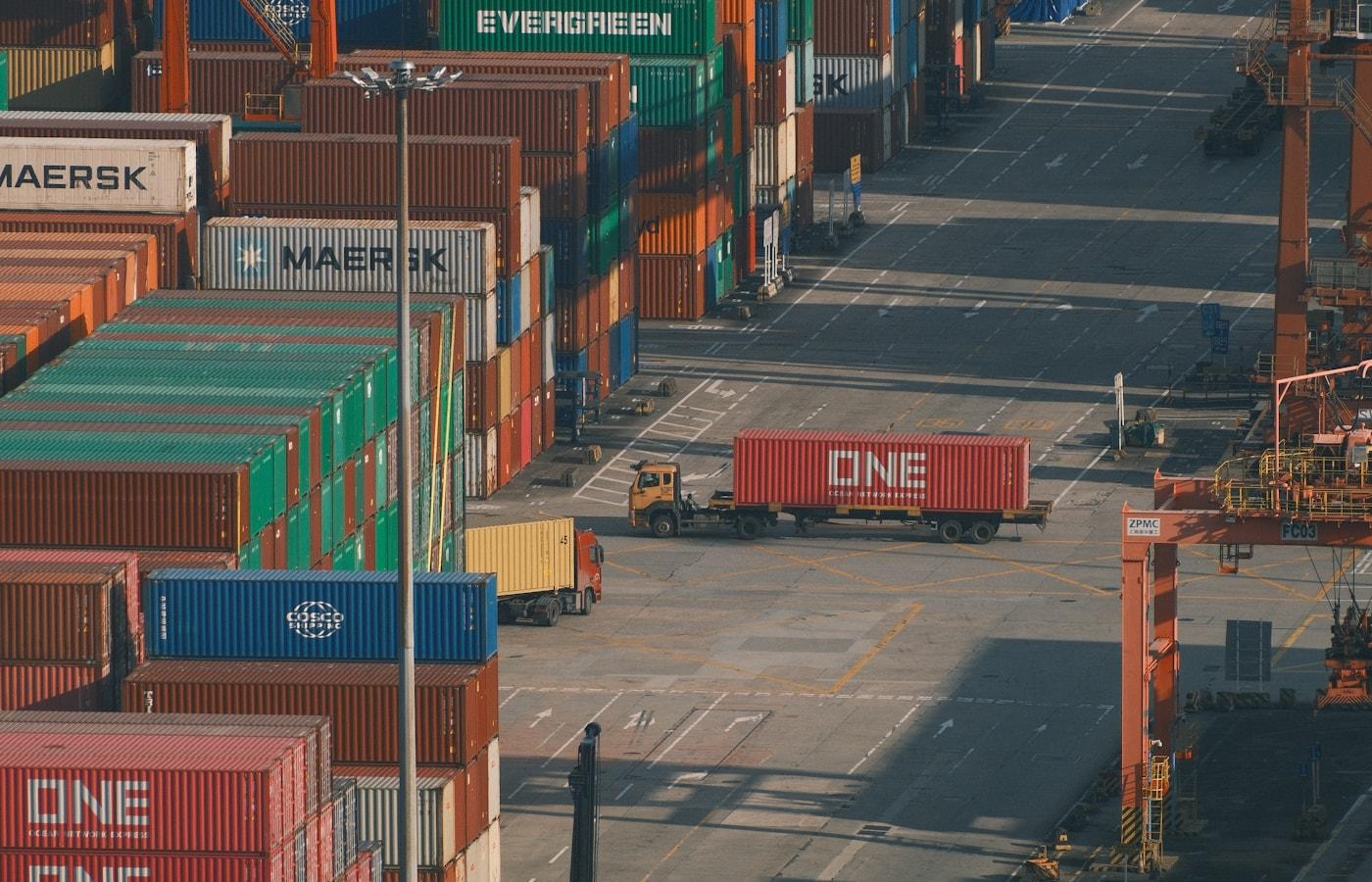
货运码头上堆叠的红色与蓝色集装箱
04 / 货运指南
关键要点
  • 01FOB(离岸价)使进口商对订舱和保险拥有最大的控制权
  • 02CIF(成本、保险加运费)把承运人选择和保险交到供应商手中 — 对高价值货物而言风险较高
  • 03DDP(完税后交货)便利但隐藏成本,并让您失去对进口合规的控制
  • 04EXW(工厂交货)把所有责任从工厂门口交给买方 — 仅适合具备中国本地物流能力的成熟进口商
  • 05对大多数中国进口商而言,FOB 或 FCA 是推荐的起步条款

Why Incoterms Matter

Incoterms (International Commercial Terms) are a set of standardised trade terms published by the International Chamber of Commerce. The 2020 edition is the current standard, and they define two critical things: who is responsible for arranging and paying for each stage of transport, and at what point risk transfers from seller to buyer.

Getting this wrong is expensive. A supplier who nominates a carrier under CIF can choose the cheapest, slowest option with minimal insurance. An EXW deal can leave you scrambling to arrange factory collection you cannot supervise. Your choice of Incoterm is essentially a choice about who controls your supply chain.

FOB — Free on Board

FOB is the most widely used term for ocean freight from China and the standard recommendation for most importers. Under FOB, the seller delivers goods to the named port of loading (e.g., Shenzhen or Shanghai), clears export customs, and loads goods onto the vessel nominated by the buyer.

From that point, risk and cost pass to you. You arrange the ocean freight (through your forwarder), marine insurance, and all destination charges. This gives you full control over carrier selection, freight rates, and insurance cover — critical advantages when shipping valuable goods.

Note: Under Incoterms 2020, FOB technically transfers risk when cargo crosses the ship's rail. For containerised freight where goods are handed to a terminal before loading, FCA (Free Carrier) is technically more precise, but FOB remains the practical standard in China trade.

CIF — Cost, Insurance and Freight

Under CIF, the seller pays for ocean freight and provides a minimum insurance cover, with risk transferring to the buyer once goods are loaded on the vessel. The problem: minimum insurance under CIF is 110% of the invoice value — insufficient for most commercial cargo — and the seller chooses both the carrier and insurer.

This means you inherit the cheapest carrier the supplier could find, with insurance arranged by someone whose interests may not align with yours. For low-value commodity goods where the supplier relationship is well-established and trusted, CIF can simplify the transaction. For anything above $10,000 in cargo value, FOB with your own marine insurance is strongly preferable.

DDP — Delivered Duty Paid

DDP places maximum obligation on the seller — they deliver to named destination with all duties paid. On paper, this seems attractive for importers who want a simple delivered price. In practice, it creates several serious problems.

First, the supplier often uses an agent to clear import customs on your behalf. This agent operates under a power of attorney but has no accountability to you for compliance decisions. Import duty calculations and HS code classifications that are incorrect become your legal liability, not the supplier's.

Second, DDP pricing bundles logistics and duty costs into the purchase price, making it difficult to benchmark freight costs or claim VAT/GST correctly. Use DDP only for well-understood, low-value, low-compliance-risk goods — and insist on full cost transparency when you do.

EXW — Ex Works

EXW puts the entire logistics responsibility on the buyer from the moment goods are ready at the factory. You arrange collection, export customs clearance in China, inland transport, ocean or air freight, import customs, and final delivery.

For importers without a forwarder managing their China-side logistics, EXW is unnecessarily risky. Export customs compliance in China is the seller's expertise, and errors can lead to cargo holds, penalties, or blacklisting. Use EXW only if your forwarder has a trusted on-the-ground presence in China to manage collection and export — which experienced 3PLs like SZViper do.

常见问题

Q01
初次从中国进口,最安全的国贸术语是什么?

从中国主要港口以 FOB(离岸价)起步是大多数进口商最安全的做法。在 FOB 项下,卖方负责出口清关和货物装船,买方控制承运人选择、运价和海运保险 — 这是影响到岸成本和风险管理最关键的三个变量。

Q02
我应该接受中国供应商提供的 DDP 报价吗?

DDP 虽然便利,但存在责任漏洞。进口清关由供应商指定的代理以授权书完成,即使 HS 编码或关税计算错误,法律责任仍由您承担而您无法掌控申报。仅当货物价值低、合规风险低且透明度可接受时才使用 DDP。

Q03
FOB 与 CIF 的关键区别是什么?

在 FOB 项下,由买方从装货港安排运输和保险。在 CIF 项下,由卖方安排,并且最低保险金额仅为发票金额的 110%。对于货值超过约 10,000 美元的货物,CIF 最低保险不足,买方自行安排带一切险的 FOB 更为可取。

Q04
对集装箱货物而言,FOB 和 FCA 哪个在技术上更准确?

按《2020 国际贸易术语解释通则》,对于集装箱货物 FCA(货交承运人)在技术上更准确,因为 FOB 是以货物越过船舷为风险转移点,而这一概念对于先交到码头后装船的集装箱已经过时。但在实际操作中,尽管存在这一技术差异,FOB 仍是中国贸易的主流商业条款。

Q05
什么时候适合使用 EXW?

EXW 从工厂门口起把所有责任交给买方,包括中国出口清关。仅在您的货代在中国具备可靠的操作能力、可处理提货、拼柜和出口清关时才使用 EXW;否则中国出口合规风险将由您承担。

  • [01]ICC Incoterms 2020 rules — International Chamber of Commerce
  • [02]UCP 600 and banking practices on CIF documentation
Tyler Yang

Tyler 负责 SZViper 深圳业务,在亚欧及亚美贸易航线上拥有十多年的货运代理经验。

准备发货了吗?

获取免费报价,了解 Viper Supply Chain 如何优化您从中国到世界的供应链。

立即获取免费报价