CBAM UE: co każdy importer musi wiedzieć przed pełnym wdrożeniem.

Mechanizm Dostosowania Granicznego UE ds. Emisji CO₂ wchodzi w pełne wdrożenie w styczniu 2026. Jeśli importujesz stal, aluminium, cement, nawozy, wodór lub elektryczność do UE, masz teraz obowiązki raportowe i finansowe, których nie możesz zignorować.

SZViper Editorial Team
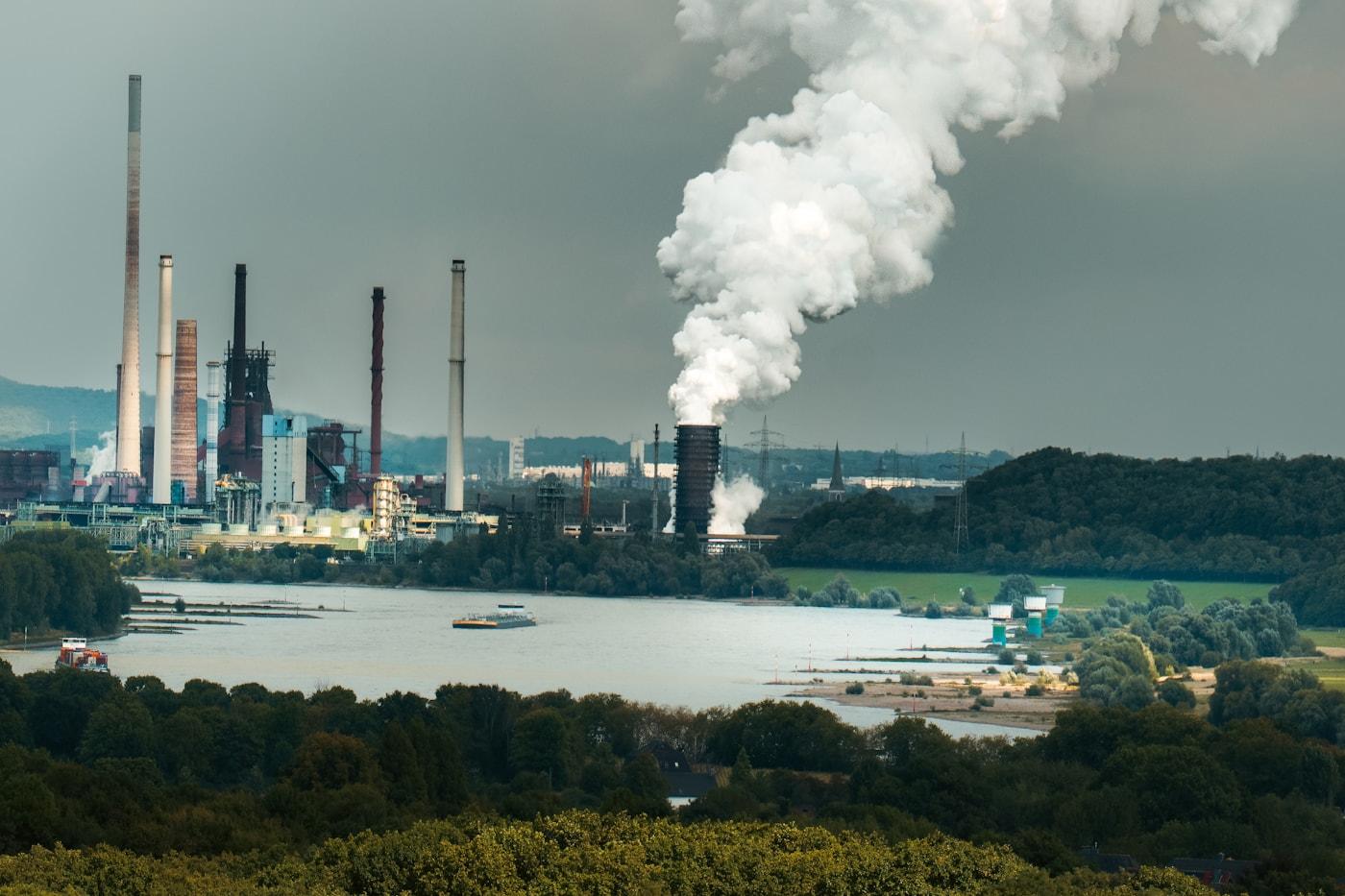
Kompleks przemysłowy z gęstym dymem z kominów, Duisburg Niemcy
05 / REGULACJE
Kluczowe wnioski.
  • 01Pełne wdrożenie CBAM od stycznia 2026 — faza przejściowego raportowania zakończona w grudniu 2025
  • 02Sektory objęte: stal, aluminium, cement, nawozy, wodór, elektryczność
  • 03Importerzy muszą kupować certyfikaty CBAM odpowiadające wbudowanemu węglowi w imporcie
  • 04Cena certyfikatu śledzi cenę CO₂ ETS UE — obecnie około 55–65 € za tonę CO₂
  • 05Niezgodność skutkuje karami 3× ceny certyfikatu plus możliwym zawieszeniem importu

What Is CBAM?

The Carbon Border Adjustment Mechanism (CBAM) is an EU regulation designed to prevent 'carbon leakage' — the risk that EU companies shift production to countries with weaker climate rules to avoid the cost of the EU Emissions Trading System (ETS). By placing a carbon price on certain goods imported into the EU from non-ETS countries, CBAM levels the competitive playing field.

The mechanism entered a transitional reporting phase in October 2023 and moved to full financial enforcement on 1 January 2026. For freight importers moving physical goods from China or other non-EU countries in the covered sectors, this is now an active compliance and cost obligation — not a future planning item.

Which Goods Are Affected?

CBAM applies at EU Customs Union borders and covers goods in the following CN (Combined Nomenclature) code chapters as of 2026:

  • 01Iron and steel products (CN chapters 72 and 73 — including structural steel, tubes, and wire)
  • 02Aluminium and aluminium products (CN chapter 76)
  • 03Cement and clinker (CN chapter 25 and 69)
  • 04Fertilisers — specifically ammonia and nitric acid-based products (CN chapter 31)
  • 05Hydrogen (CN chapter 28)
  • 06Electricity imports (CN chapter 27)
  • 07Downstream products with significant embedded metals content — expansion planned for 2030

How the Mechanism Works

EU importers — specifically authorised CBAM declarants, which from 2026 means any EU-based importer of affected goods — must purchase CBAM certificates from a national authority to cover the embedded carbon in their imports. The price of a CBAM certificate is pegged to the weekly average auction price of EU ETS allowances.

At the current EU ETS price of approximately €55–€65 per tonne CO₂ equivalent, a consignment of 100 tonnes of structural steel with an embedded carbon intensity of 1.8 tCO₂/tonne would require certificates worth approximately €9,900–€11,700. The actual cost depends on the verified emission intensity reported by the supplier — which is why supplier carbon data collection has become a logistics and procurement priority.

Obligations for Importers

  • 01Register as an authorised CBAM declarant via your relevant national competent authority (e.g., HMRC in the UK uses its own parallel mechanism; EU-based importers use their member state authority)
  • 02Collect verified embedded carbon data from Chinese or other third-country suppliers — using the EU's default values where actual data is unavailable (default values are typically conservative/high)
  • 03Submit an annual CBAM declaration by 31 May for the previous year's imports
  • 04Purchase and surrender sufficient CBAM certificates to cover declared embedded carbon
  • 05Retain supporting documentation for 4 years

Practical Steps for Supply Chain Teams

The most urgent action for importers of affected goods is supplier engagement. Many Chinese steel and aluminium producers are now familiar with CBAM and can provide carbon intensity declarations, but the quality varies significantly. Forwarders and 3PLs with China-side presence can assist with supplier outreach and documentation collection.

For companies importing small volumes of affected goods as components of wider shipments (e.g., aluminium extrusions as packaging or structural elements), the threshold de minimis level (€150 intrinsic value per consignment) may exempt some shipments — but legal advice specific to your commodity and volume is essential before relying on this.

It is also worth modelling the landed cost of CBAM certificates across your import programme now, particularly if you are budgeting for 2026–2027. The EU ETS price has traded between €50 and €100 in the past 18 months; build sensitivity into your models.

This article is informational only and does not constitute legal or compliance advice. Consult a qualified customs and trade compliance specialist for guidance specific to your goods and trading structure.

Najczęściej zadawane pytania.

Q01
Czym jest CBAM UE?

Mechanizm Dostosowania Granicznego UE ds. Emisji CO₂ (CBAM) to rozporządzenie UE nakładające cenę emisji na import określonych towarów z krajów spoza UE. Ma zapobiegać ucieczce emisji — przenoszeniu produkcji do jurysdykcji o słabszych zasadach emisji — i wyrównać warunki konkurencji dla producentów UE płacących już cenę CO₂ w ramach EU ETS.

Q02
Które produkty są objęte CBAM?

CBAM dotyczy żelaza i stali (rozdziały CN 72 i 73), aluminium (CN 76), cementu i klinkieru (CN 25 i 69), nawozów azotowych (CN 31), wodoru (CN 28) i importu elektryczności (CN 27). Zakres ma zostać rozszerzony o produkty downstream o znaczącej zawartości metali od 2030.

Q03
Ile kosztuje certyfikat CBAM w 2026?

Ceny certyfikatów CBAM są powiązane z tygodniową średnią ceną aukcyjną uprawnień EU ETS, obecnie 55–65 € za tonę ekwiwalentu CO₂. Wysyłka 100 ton stali konstrukcyjnej z 1,8 tCO₂/tonę wbudowanych emisji wymagałaby certyfikatów o wartości około 9 900–11 700 €.

Q04
Kiedy rozpoczęło się pełne wdrożenie CBAM?

Pełne wdrożenie finansowe CBAM rozpoczęło się 1 stycznia 2026. Faza przejściowego samodzielnego raportowania trwała od października 2023 do grudnia 2025. Uprawnieni deklaranci CBAM muszą składać deklaracje roczne do 31 maja za import z poprzedniego roku i przekazywać odpowiednie certyfikaty.

Q05
Czy wysyłki niskiej wartości omijają CBAM?

Istnieje zwolnienie de minimis przy 150 € wewnętrznej wartości na wysyłkę, które może wykluczyć małe wysyłki. Jednak progi wartości wysyłki są interpretowane ściśle, a porady prawne specyficzne dla twoich towarów i struktury handlowej są niezbędne przed poleganiem na zwolnieniu.

  • [01]EU Commission — Carbon Border Adjustment Mechanism official guidance
  • [02]Regulation (EU) 2023/956 — CBAM legislative text
  • [03]EU ETS weekly auction price data — EEX Leipzig
SZViper Editorial Team

Wewnętrzny zespół badawczy SZViper monitoruje globalne szlaki handlowe, rynki frachtowe i zmiany regulacyjne, dostarczając nadawcom praktyczne informacje.

Gotowy do Wysyłki?

Uzyskaj bezpłatną wycenę i odkryj, jak Viper Supply Chain może zoptymalizować Twój łańcuch dostaw z Chin na cały świat.

Zapytaj o Bezpłatną Wycenę