FCL vs LCL: Der komplette Leitfaden für China-Importeure.

Full Container Load oder Less than Container Load — die Wahl wirkt sich direkt auf Kosten, Transitzeit und Risiko aus. Dieser Leitfaden analysiert beide Modi und bietet ein klares Rahmenwerk für die Entscheidung.

SZViper Operations Desk
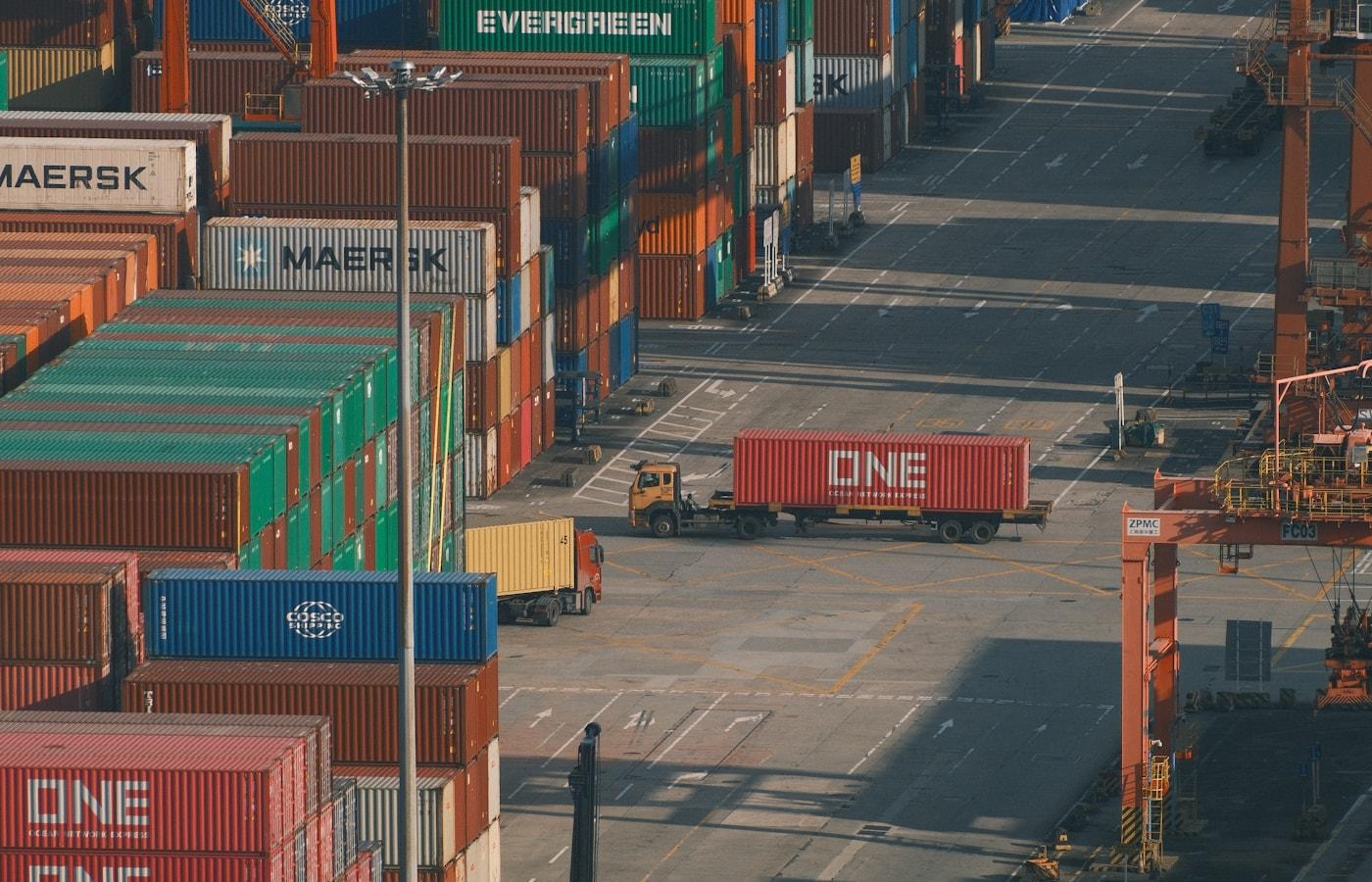
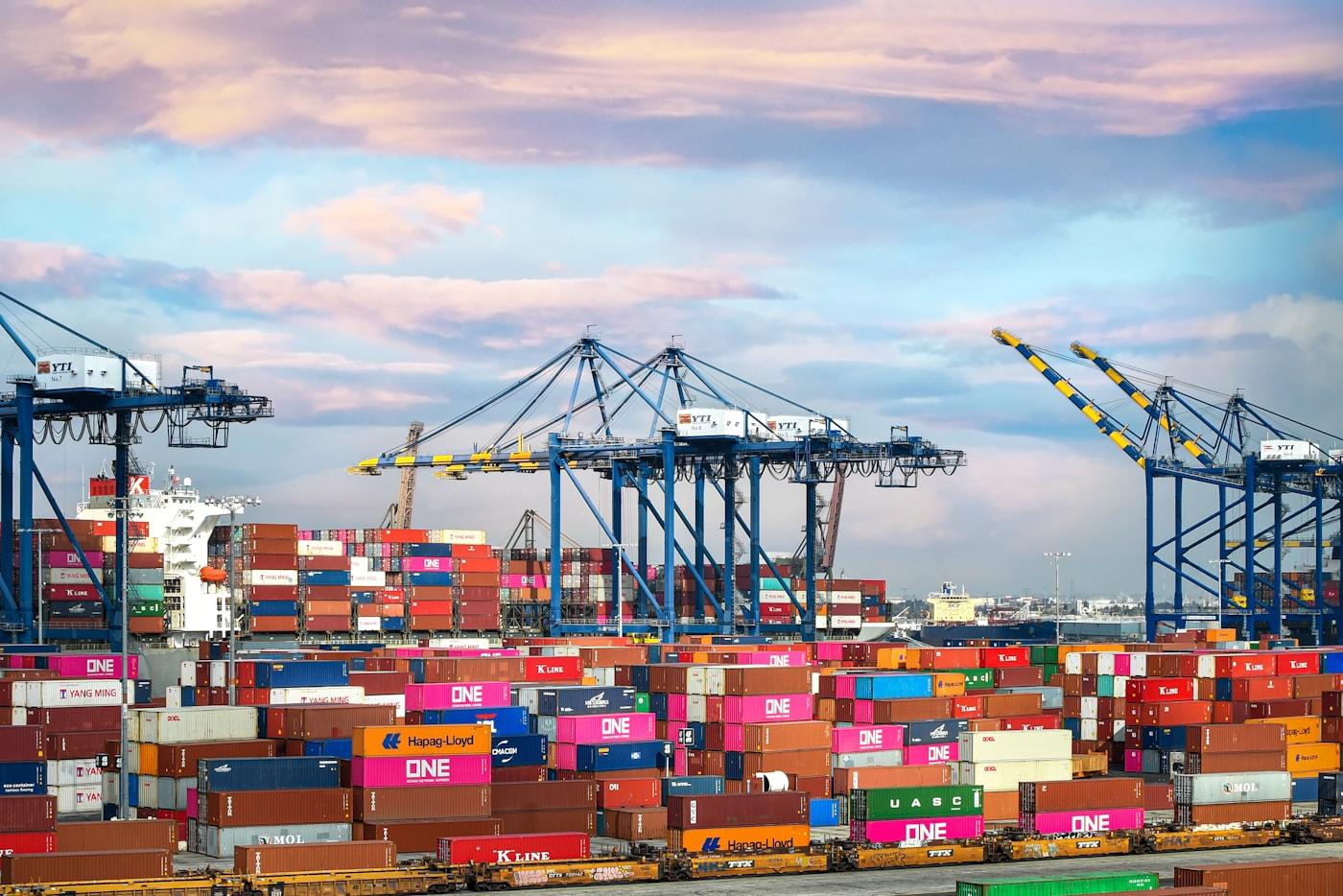
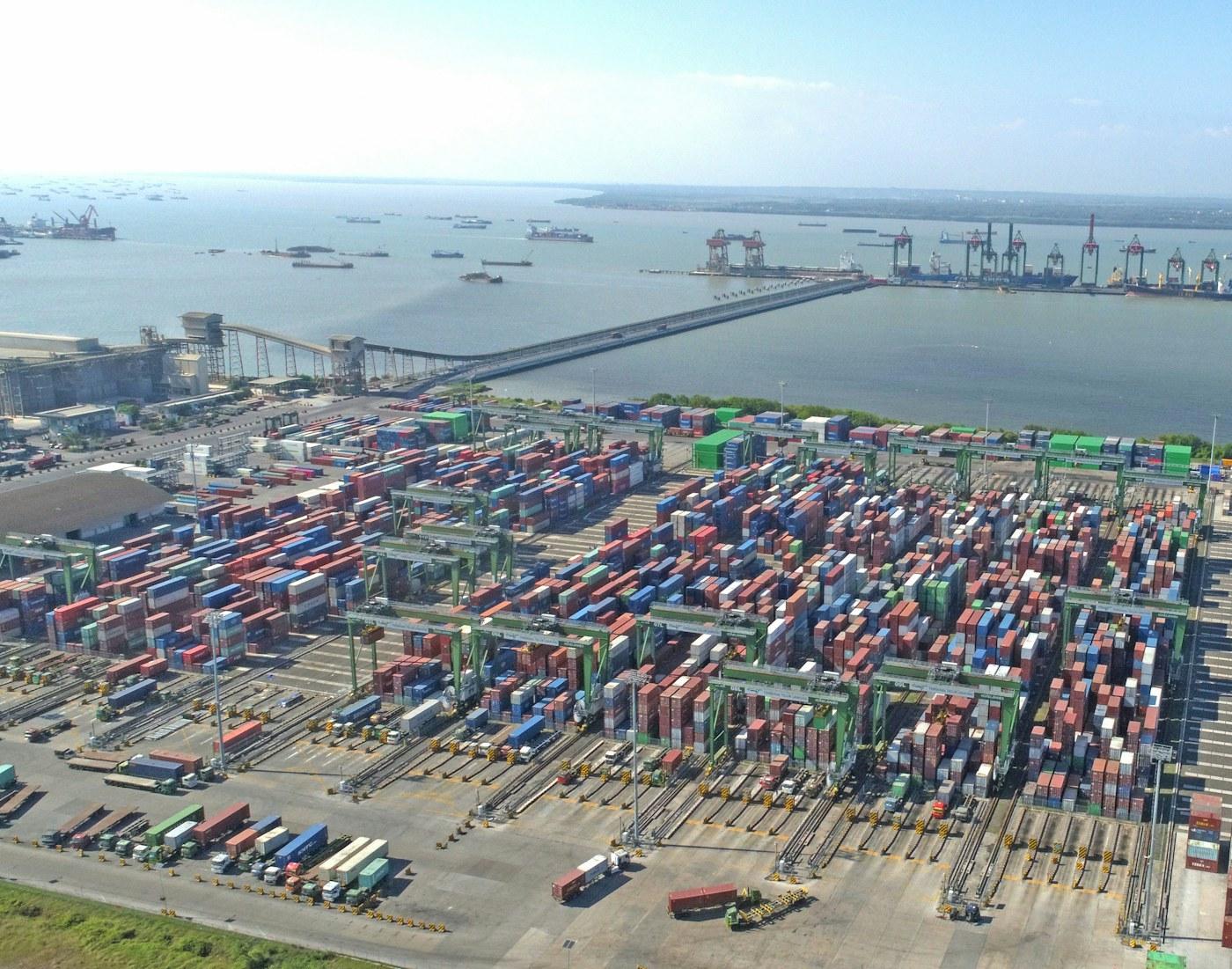
Luftansicht eines belebten Frachthafens mit gestapelten Containern
03 / VERSAND-GUIDE
Kernaussagen.
  • 01FCL ist ab ca. 15–20 CBM kosteneffektiv (füllt etwa einen halben 20-Fuß-Container)
  • 02LCL eignet sich für kleinere Volumina, fügt aber 3–7 Tage für Konsolidierung und Dekonsolidierung hinzu
  • 03FCL birgt geringeres Schadens- und Kontaminationsrisiko, da nur Ihre Ware im Container ist
  • 04LCL-CBM-Raten sind 2025–2026 gestiegen; vor Annahme der Günstigkeit sorgfältig vergleichen
  • 05Empfindliche oder hochwertige Waren rechtfertigen fast immer FCL unabhängig vom Volumen

What Is FCL?

Full Container Load (FCL) means you book an entire shipping container for your exclusive use. You pay for the container as a unit, regardless of how much space you actually fill. Standard container sizes are the 20-foot (20GP, roughly 25–28 CBM usable) and 40-foot (40GP, roughly 58–60 CBM usable), with the 40-foot High Cube (40HC, ~76 CBM) the most popular choice for high-volume importers.

With FCL, your cargo is loaded at origin, sealed, and that same container arrives at destination. No other shipper's goods enter your container. This makes FCL the standard choice for established importers with consistent volume, time-sensitive or high-value goods, and cargo that cannot share space with unknown commodities.

What Is LCL?

Less than Container Load (LCL) consolidates your cargo with goods from multiple shippers into a single container. The container is filled by a freight forwarder or consolidator at a Container Freight Station (CFS) in China, shipped to destination, then de-consolidated at another CFS before your cargo is released to you.

You pay per cubic metre (CBM) or per tonne (whichever is greater), plus a range of CFS handling charges. LCL is the natural choice for importers who are starting out, running pilot orders, or simply do not have the volume to justify a full container.

The Cost Comparison

The crossover point between FCL and LCL economics has shifted upward in recent years as LCL base rates and CFS surcharges have increased. As a rough guide for 2026:

A 20-foot FCL from Shenzhen to Felixstowe might cost $1,800–$2,400 all-in under current market rates. The same lane via LCL might be priced at $45–$65 per CBM including basic surcharges, but excluding destination CFS fees, which can add $80–$150 per shipment.

The implication: if your cargo is above roughly 12–15 CBM, get a specific FCL quote — you may find the per-CBM cost is already competitive or lower, and you gain the handling and risk benefits below.

Risk and Handling Differences

  • 01FCL: your goods are only handled at loading and unloading — far fewer touch points and much lower damage risk
  • 02LCL: cargo is handled at origin CFS, consolidated with other goods, de-consolidated at destination CFS, and then released — each touch point is a damage opportunity
  • 03LCL contamination risk: if another shipper's goods in the same container have an issue (odour, pest, customs hold), your cargo can be delayed or quarantined
  • 04FCL preferred for: fragile goods, high-value electronics, food products, goods with strict customs requirements
  • 05LCL acceptable for: non-fragile samples, pilot orders, low-value industrial parts where delay is tolerable

Transit Time Comparison

FCL transit times reflect pure sailing time plus port operations — typically 28–32 days from Chinese ports to Northern Europe and 16–20 days to US West Coast ports.

LCL adds 3–7 days at each end for consolidation and de-consolidation. In practice, expect 35–42 days to Northern Europe via LCL, and 22–28 days to US West Coast. For time-sensitive inventory restocking, FCL is nearly always the better operational choice.

How to Choose: A Decision Framework

  • 01Volume under 5 CBM: LCL is almost always the right answer
  • 02Volume 5–15 CBM: compare specific FCL and LCL quotes on your exact lane and cargo type
  • 03Volume above 15 CBM: request an FCL quote — economics usually favour FCL at this point
  • 04Sensitive or high-value goods: FCL regardless of volume
  • 05Tight delivery window: FCL whenever possible
  • 06Regular monthly shipments: consider booking a regular FCL slot with your forwarder for rate stability

Häufig gestellte Fragen.

Q01
Wann wird FCL günstiger als LCL?

Der Crossover-Punkt 2026 liegt bei etwa 12–15 CBM. Über diesem Volumen kostet ein 20-Fuß-FCL Shenzhen–Nordeuropa (1.800–2.400 USD all-in) typischerweise weniger pro CBM als LCL zu 45–65 USD pro CBM, sobald CFS-Handling-Gebühren von 80–150 USD pro Sendung addiert werden.

Q02
Wie viel langsamer ist LCL im Vergleich zu FCL?

LCL fügt an jedem Ende 3–7 Tage für Konsolidierung an der Ursprungs-Container Freight Station (CFS) und Dekonsolidierung am Ziel hinzu. Eine 28–32-tägige Shenzhen–Nordeuropa-Fahrt per FCL läuft typischerweise 35–42 Tage per LCL.

Q03
Ist LCL sicher für empfindliche oder hochwertige Waren?

LCL birgt höheres Risiko für empfindliche Fracht, da Waren mehrmals an beiden CFS-Einrichtungen gehandhabt werden und einen Container mit unbekannten Commodities teilen. Für empfindliche, hochwertige oder compliance-sensitive Waren wird FCL unabhängig vom Volumen dringend empfohlen.

Q04
Wie hoch ist die nutzbare Kubikkapazität von Standardcontainern?

Nutzbare Kapazität: 20-Fuß (20GP) fasst 25–28 CBM, 40-Fuß (40GP) 58–60 CBM und 40-Fuß High Cube (40HC) etwa 76 CBM. Maximale Nutzlasten betragen 28, 26,5 bzw. 27 Tonnen.

Q05
Kann ich FCL- und LCL-Sendungen in regelmäßigen Bestellungen kombinieren?

Ja. Viele etablierte Importeure nutzen LCL für kleine Nachschubbestellungen und FCL für Hauptlager-Sendungen auf derselben Handelsroute. Buchen Sie einen regelmäßigen FCL-Platz bei Ihrem Spediteur für Ratenstabilität auf Hochvolumen-Routen.

  • [01]SZViper commercial pricing desk — Q2 2026 lane rates
  • [02]ISO container dimension standards (ISO 668)
SZViper Operations Desk

Das Operationsteam von SZViper übernimmt tägliche Exportabfertigung, Carrier-Beziehungen und Zielstellung über sieben Lager auf drei Kontinenten.

Bereit zum Versenden?

Erhalten Sie ein kostenloses Angebot und erfahren Sie, wie Viper Supply Chain Ihre Lieferkette von China in die Welt optimieren kann.

Kostenloses Angebot Anfordern