MACF (CBAM) de l'UE : ce que tout importateur doit savoir avant la mise en œuvre complète.

Le Mécanisme d'Ajustement Carbone aux Frontières de l'UE passe à l'application complète en janvier 2026. Si vous importez acier, aluminium, ciment, engrais, hydrogène ou électricité dans l'UE, vous avez désormais des obligations de déclaration et financières incontournables.

SZViper Editorial Team
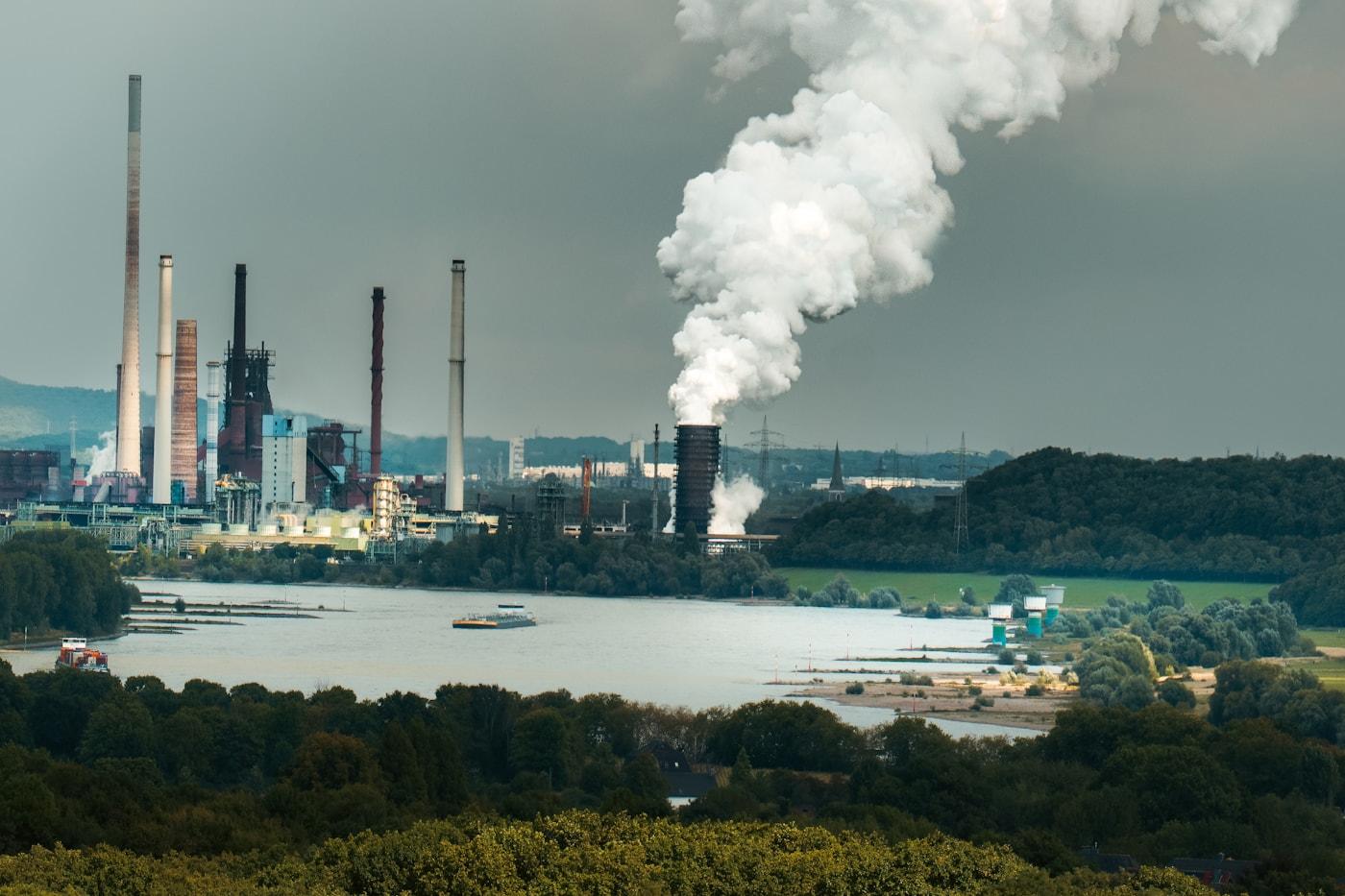
Complexe industriel avec fumée épaisse sortant des cheminées, Duisbourg Allemagne
05 / RÉGLEMENTATIONS
Points clés.
  • 01Application complète du CBAM depuis janvier 2026 — phase transitoire de déclaration terminée en décembre 2025
  • 02Secteurs concernés : acier, aluminium, ciment, engrais, hydrogène, électricité
  • 03Les importateurs doivent acheter des certificats CBAM correspondant au carbone incorporé dans les importations
  • 04Prix du certificat indexé sur le prix carbone SEQE-UE — actuellement environ 55–65 € par tonne de CO₂
  • 05Non-conformité entraîne des pénalités de 3× le prix du certificat plus suspension d'importation possible

What Is CBAM?

The Carbon Border Adjustment Mechanism (CBAM) is an EU regulation designed to prevent 'carbon leakage' — the risk that EU companies shift production to countries with weaker climate rules to avoid the cost of the EU Emissions Trading System (ETS). By placing a carbon price on certain goods imported into the EU from non-ETS countries, CBAM levels the competitive playing field.

The mechanism entered a transitional reporting phase in October 2023 and moved to full financial enforcement on 1 January 2026. For freight importers moving physical goods from China or other non-EU countries in the covered sectors, this is now an active compliance and cost obligation — not a future planning item.

Which Goods Are Affected?

CBAM applies at EU Customs Union borders and covers goods in the following CN (Combined Nomenclature) code chapters as of 2026:

  • 01Iron and steel products (CN chapters 72 and 73 — including structural steel, tubes, and wire)
  • 02Aluminium and aluminium products (CN chapter 76)
  • 03Cement and clinker (CN chapter 25 and 69)
  • 04Fertilisers — specifically ammonia and nitric acid-based products (CN chapter 31)
  • 05Hydrogen (CN chapter 28)
  • 06Electricity imports (CN chapter 27)
  • 07Downstream products with significant embedded metals content — expansion planned for 2030

How the Mechanism Works

EU importers — specifically authorised CBAM declarants, which from 2026 means any EU-based importer of affected goods — must purchase CBAM certificates from a national authority to cover the embedded carbon in their imports. The price of a CBAM certificate is pegged to the weekly average auction price of EU ETS allowances.

At the current EU ETS price of approximately €55–€65 per tonne CO₂ equivalent, a consignment of 100 tonnes of structural steel with an embedded carbon intensity of 1.8 tCO₂/tonne would require certificates worth approximately €9,900–€11,700. The actual cost depends on the verified emission intensity reported by the supplier — which is why supplier carbon data collection has become a logistics and procurement priority.

Obligations for Importers

  • 01Register as an authorised CBAM declarant via your relevant national competent authority (e.g., HMRC in the UK uses its own parallel mechanism; EU-based importers use their member state authority)
  • 02Collect verified embedded carbon data from Chinese or other third-country suppliers — using the EU's default values where actual data is unavailable (default values are typically conservative/high)
  • 03Submit an annual CBAM declaration by 31 May for the previous year's imports
  • 04Purchase and surrender sufficient CBAM certificates to cover declared embedded carbon
  • 05Retain supporting documentation for 4 years

Practical Steps for Supply Chain Teams

The most urgent action for importers of affected goods is supplier engagement. Many Chinese steel and aluminium producers are now familiar with CBAM and can provide carbon intensity declarations, but the quality varies significantly. Forwarders and 3PLs with China-side presence can assist with supplier outreach and documentation collection.

For companies importing small volumes of affected goods as components of wider shipments (e.g., aluminium extrusions as packaging or structural elements), the threshold de minimis level (€150 intrinsic value per consignment) may exempt some shipments — but legal advice specific to your commodity and volume is essential before relying on this.

It is also worth modelling the landed cost of CBAM certificates across your import programme now, particularly if you are budgeting for 2026–2027. The EU ETS price has traded between €50 and €100 in the past 18 months; build sensitivity into your models.

This article is informational only and does not constitute legal or compliance advice. Consult a qualified customs and trade compliance specialist for guidance specific to your goods and trading structure.

Questions fréquentes.

Q01
Qu'est-ce que le MACF (CBAM) de l'UE ?

Le Mécanisme d'Ajustement Carbone aux Frontières (MACF/CBAM) est une réglementation de l'UE qui applique un prix du carbone aux importations de certains biens depuis des pays hors UE. Il vise à prévenir la fuite de carbone — le déplacement de la production vers des juridictions aux règles d'émissions plus faibles — et à égaliser les conditions de concurrence pour les producteurs de l'UE qui paient déjà le prix carbone du SEQE-UE.

Q02
Quels produits sont concernés par le CBAM ?

Le CBAM s'applique au fer et à l'acier (chapitres NC 72 et 73), à l'aluminium (NC 76), au ciment et au clinker (NC 25 et 69), aux engrais azotés (NC 31), à l'hydrogène (NC 28) et aux importations d'électricité (NC 27). La couverture doit s'étendre aux produits en aval à forte teneur en métaux à partir de 2030.

Q03
Combien coûte un certificat CBAM en 2026 ?

Les prix des certificats CBAM sont indexés sur le prix moyen hebdomadaire aux enchères des quotas SEQE-UE, actuellement 55–65 € par tonne équivalent CO₂. Un envoi de 100 tonnes d'acier de construction avec 1,8 tCO₂/tonne d'émissions incorporées nécessiterait des certificats d'une valeur d'environ 9 900–11 700 €.

Q04
Quand l'application complète du CBAM a-t-elle commencé ?

L'application financière complète du CBAM a commencé le 1er janvier 2026. La phase transitoire de déclaration uniquement a duré d'octobre 2023 à décembre 2025. Les déclarants CBAM autorisés doivent soumettre des déclarations annuelles avant le 31 mai pour les importations de l'année précédente et remettre les certificats correspondants.

Q05
Les envois de faible valeur échappent-ils au CBAM ?

Il existe une exemption de minimis à 150 € de valeur intrinsèque par envoi, qui peut exempter les petites expéditions. Cependant, les seuils de valeur d'envoi sont interprétés strictement et des conseils juridiques spécifiques à vos marchandises et structure commerciale sont essentiels avant de vous appuyer sur l'exemption.

  • [01]EU Commission — Carbon Border Adjustment Mechanism official guidance
  • [02]Regulation (EU) 2023/956 — CBAM legislative text
  • [03]EU ETS weekly auction price data — EEX Leipzig
SZViper Editorial Team

L'équipe de recherche interne de SZViper suit les axes commerciaux mondiaux, les marchés du fret et les évolutions réglementaires pour fournir aux expéditeurs une intelligence opérationnelle.

Prêt à Expédier ?

Obtenez un devis gratuit et découvrez comment Viper Supply Chain peut optimiser votre chaîne d'approvisionnement de la Chine vers le monde.

Demander un Devis Gratuit