Congestion portuaire en 2026 : comment protéger votre chaîne d'approvisionnement.

La congestion dans les grands ports de conteneurs européens et nord-américains ajoute des retards imprévisibles à des chaînes d'approvisionnement qui venaient à peine de se stabiliser après le cycle de perturbation 2021–2023. Comprendre le paysage actuel aide à planifier.

SZViper Operations Desk
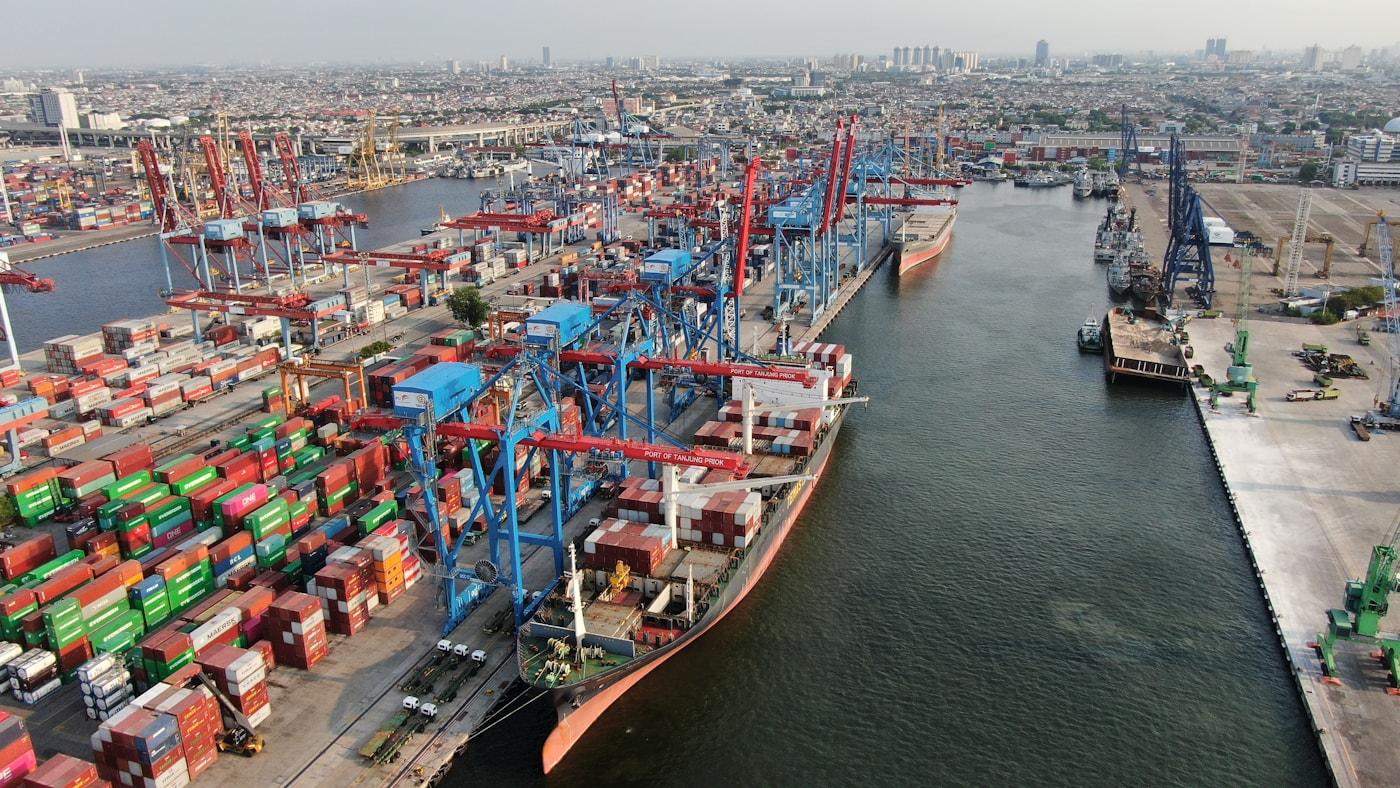
Port de fret animé avec grues et conteneurs vu du ciel
07 / ACTUALITÉ DU SECTEUR
Points clés.
  • 01Rotterdam et Hambourg rapportent des attentes de navire de 3–7 jours au T1 2026
  • 02La congestion à Felixstowe s'atténue ; Anvers émerge comme l'alternative plus propre pour l'Europe du Nord
  • 03Les ports de la côte Est américaine (New York, Savannah) accumulent 2–5 jours de retard sur les navires entrants
  • 04Stock de sécurité de 4–6 semaines recommandé pour l'inventaire critique contre les 2–3 semaines traditionnelles
  • 05Les connexions ferroviaires depuis les ports allemands vers l'Europe centrale performent mieux que la route aux volumes actuels

The Current Situation

Global container port throughput reached record levels in late 2025 and early 2026, driven by a combination of recovered consumer demand, restocking cycles, and front-loaded shipments as importers sought to avoid anticipated tariff changes. This volume surge, combined with the knock-on effects of vessel reroutings following continued Red Sea tensions, has generated congestion at ports that were considered operationally clean as recently as mid-2024.

The pattern is uneven: some ports are handling volumes well, while others are under significant strain. Understanding which ports affect your lanes is the first step to routing around the worst delays.

Port-by-Port Situation

  • 01Rotterdam (Netherlands): 3–7 day vessel wait times; berth availability tight; inland connections via barge improving but road drayage congested
  • 02Hamburg (Germany): 2–4 day delays at CTA terminal; better rail connections making Hamburg a viable alternative for central European distribution
  • 03Antwerp (Belgium): Currently the best-performing major Northern European port — consider this for time-sensitive European cargo
  • 04Felixstowe (UK): Congestion easing after peak; 1–3 day vessel waits; customs clearance at Tilbury sometimes faster
  • 05New York/New Jersey (US): 2–5 day anchorage waits; inland chassis shortage adding to drayage delays
  • 06Savannah (US): Running more smoothly than NYNJ; strong intermodal connections for US Southeast and Midwest distribution
  • 07Long Beach/LA (US West Coast): Relatively stable at present; watch Q2 as restocking volumes build

Impact on Transit Times

The practical impact on shippers is a transit time uncertainty that makes traditional just-in-time inventory models risky. A shipment that nominally takes 28 days from Shenzhen to Rotterdam can arrive in 31–38 days under current conditions, with no reliable way to predict which end of that range applies to any given sailing.

For businesses that have tightened inventory to reduce working capital, this variability is costly: stockouts, expediting fees, and the premium of emergency air freight can far exceed the savings from running lean stock. The companies managing port congestion best in 2026 are those that have accepted a structural increase in their safety stock requirements and priced it into their models.

Mitigation Strategies

  • 01Build 4–6 weeks safety stock for fast-moving or margin-critical SKUs — the 2-week buffer that worked pre-2020 is no longer sufficient on congested lanes
  • 02Diversify port routing where possible: if Rotterdam is your default, ask your forwarder to quote Hamburg or Antwerp as alternatives
  • 03Use rail for inland European distribution from Hamburg — current road congestion around major ports makes rail competitive on transit time to Germany, Austria, and Poland
  • 04Book space earlier — carrier block bookings and long-term contracts provide priority loading that spot bookings often cannot
  • 05Consider air freight as a partial solution for high-value, low-volume cargo that cannot tolerate port variability
  • 06Use a forwarder with real-time vessel tracking and proactive exception management — knowing about a delay 5 days before it affects your delivery window beats knowing on delivery day

Looking Ahead

Port congestion is unlikely to resolve quickly. Structural factors — including fleet deployment patterns from the alliance reshuffles, the ongoing Red Sea routing detour, and sustained import demand — suggest elevated variability through at least Q3 2026. Shippers should plan accordingly, and engage their freight forwarder now to review routing and contingency options before the June–July peak season adds further pressure.

Questions fréquentes.

Q01
Quels grands ports ont la pire congestion en 2026 ?

Au T1 2026, Rotterdam (3–7 jours d'attente de navire), New York/New Jersey (2–5 jours d'attente au mouillage) et Hambourg (2–4 jours de retard au CTA) sont les plus congestionnés. Anvers, Long Beach/LA et Savannah tournent comparativement mieux.

Q02
Combien de stock de sécurité les importateurs doivent-ils détenir en 2026 ?

Constituez 4–6 semaines de stock de sécurité pour les SKU à rotation rapide ou à marge critique. Le tampon pré-2020 de 2 semaines n'est plus suffisant compte tenu de la variabilité actuelle des délais de transit. Les coûts de rupture plus les primes de fret aérien d'urgence dépassent typiquement le coût du capital de travail d'un stock accru.

Q03
Anvers est-il une alternative viable à Rotterdam ?

Oui. Anvers est actuellement le grand port d'Europe du Nord le plus performant et un substitut viable à Rotterdam sur la plupart des routes commerciales. Les connexions intérieures vers l'Allemagne, la France et les réseaux de distribution du Benelux sont solides, et le port est une escale directe pour la plupart des services Asie–Europe.

Q04
Le rail est-il compétitif avec le camion pour la distribution européenne ?

Oui, dans les conditions actuelles de congestion routière. Les connexions ferroviaires de Hambourg vers l'Europe centrale (Allemagne, Autriche, Pologne, République tchèque) surpassent le camion à la fois en temps de transit et en fiabilité. Discutez des options ferroviaires avec votre transitaire pour le routage via les ports allemands.

Q05
La congestion portuaire se résorbera-t-elle en 2026 ?

Peu probable qu'elle se résorbe rapidement. Les facteurs structurels — redéploiement d'alliances, détour par la mer Rouge, demande d'importation soutenue — suggèrent une variabilité élevée jusqu'au moins T3 2026. Planifiez pour les conditions actuelles plutôt que de supposer une normalisation à court terme.

  • [01]Dynaliners weekly port productivity report
  • [02]Hamburg Port Authority operational updates
  • [03]Port of Antwerp–Bruges throughput data
SZViper Operations Desk

L'équipe opérationnelle de SZViper gère le dédouanement export quotidien, les relations avec les transporteurs et la livraison à destination via sept entrepôts sur trois continents.

Prêt à Expédier ?

Obtenez un devis gratuit et découvrez comment Viper Supply Chain peut optimiser votre chaîne d'approvisionnement de la Chine vers le monde.

Demander un Devis Gratuit