欧盟 CBAM:全面实施前每位进口商必须了解的内容.

欧盟碳边境调节机制于 2026 年 1 月进入全面执行阶段。如果您向欧盟进口钢铁、铝、水泥、化肥、氢气或电力,您现在必须履行不可忽视的申报与缴费义务。
SZViper Editorial Team
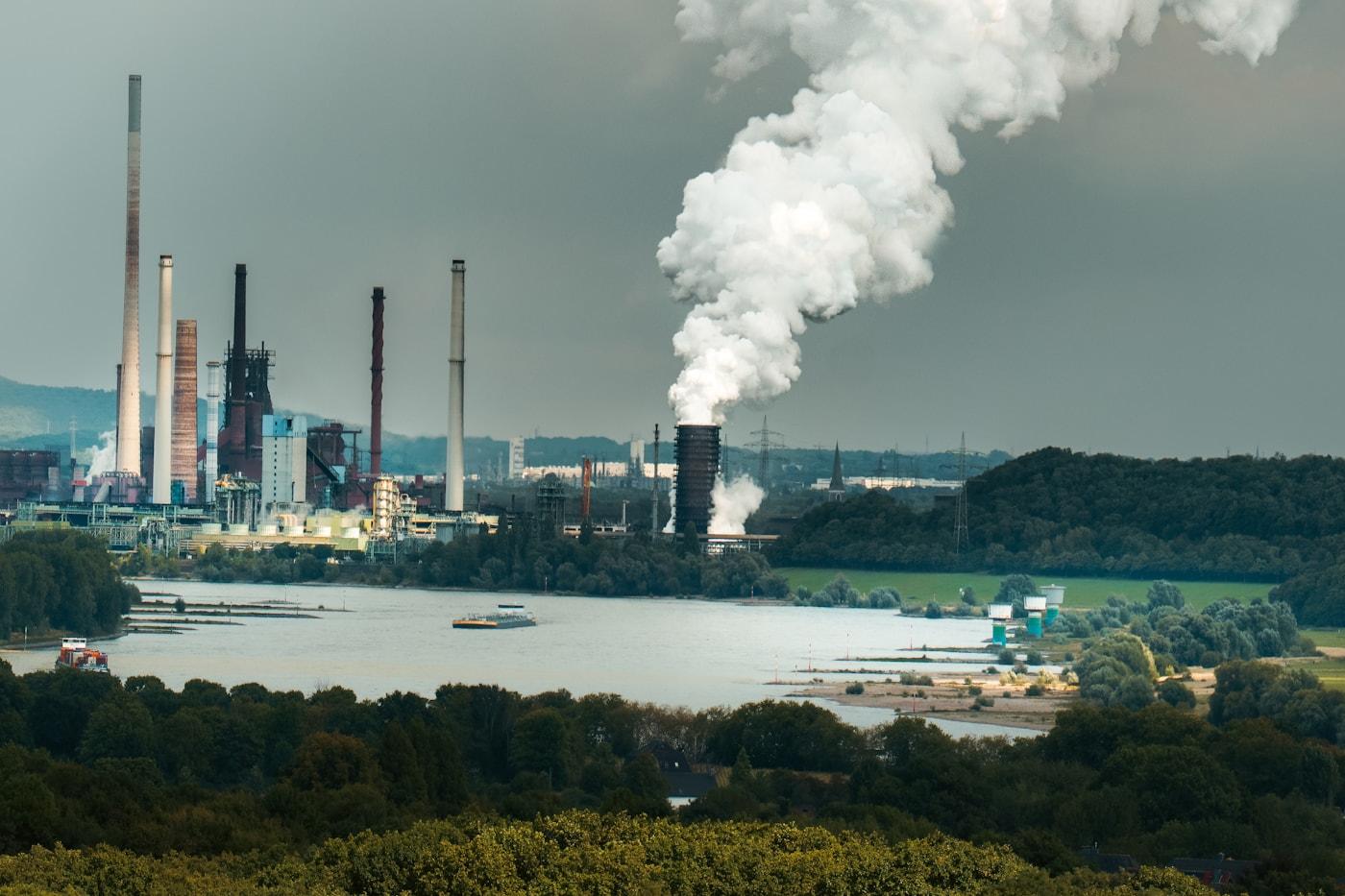
德国杜伊斯堡,工业综合体烟囱冒出浓烟
05 / 法规政策
关键要点
  • 01CBAM 自 2026 年 1 月起全面实施 — 过渡性仅申报阶段已于 2025 年 12 月结束
  • 02受影响行业:钢铁、铝、水泥、化肥、氢气、电力
  • 03进口商须按进口货物所含碳量购买 CBAM 证书
  • 04证书价格与欧盟 ETS 碳价挂钩 — 目前约每吨 CO₂ 55–65 欧元
  • 05违规将面临证书价格 3 倍的罚款,以及可能的进口暂停

What Is CBAM?

The Carbon Border Adjustment Mechanism (CBAM) is an EU regulation designed to prevent 'carbon leakage' — the risk that EU companies shift production to countries with weaker climate rules to avoid the cost of the EU Emissions Trading System (ETS). By placing a carbon price on certain goods imported into the EU from non-ETS countries, CBAM levels the competitive playing field.

The mechanism entered a transitional reporting phase in October 2023 and moved to full financial enforcement on 1 January 2026. For freight importers moving physical goods from China or other non-EU countries in the covered sectors, this is now an active compliance and cost obligation — not a future planning item.

Which Goods Are Affected?

CBAM applies at EU Customs Union borders and covers goods in the following CN (Combined Nomenclature) code chapters as of 2026:

  • 01Iron and steel products (CN chapters 72 and 73 — including structural steel, tubes, and wire)
  • 02Aluminium and aluminium products (CN chapter 76)
  • 03Cement and clinker (CN chapter 25 and 69)
  • 04Fertilisers — specifically ammonia and nitric acid-based products (CN chapter 31)
  • 05Hydrogen (CN chapter 28)
  • 06Electricity imports (CN chapter 27)
  • 07Downstream products with significant embedded metals content — expansion planned for 2030

How the Mechanism Works

EU importers — specifically authorised CBAM declarants, which from 2026 means any EU-based importer of affected goods — must purchase CBAM certificates from a national authority to cover the embedded carbon in their imports. The price of a CBAM certificate is pegged to the weekly average auction price of EU ETS allowances.

At the current EU ETS price of approximately €55–€65 per tonne CO₂ equivalent, a consignment of 100 tonnes of structural steel with an embedded carbon intensity of 1.8 tCO₂/tonne would require certificates worth approximately €9,900–€11,700. The actual cost depends on the verified emission intensity reported by the supplier — which is why supplier carbon data collection has become a logistics and procurement priority.

Obligations for Importers

  • 01Register as an authorised CBAM declarant via your relevant national competent authority (e.g., HMRC in the UK uses its own parallel mechanism; EU-based importers use their member state authority)
  • 02Collect verified embedded carbon data from Chinese or other third-country suppliers — using the EU's default values where actual data is unavailable (default values are typically conservative/high)
  • 03Submit an annual CBAM declaration by 31 May for the previous year's imports
  • 04Purchase and surrender sufficient CBAM certificates to cover declared embedded carbon
  • 05Retain supporting documentation for 4 years

Practical Steps for Supply Chain Teams

The most urgent action for importers of affected goods is supplier engagement. Many Chinese steel and aluminium producers are now familiar with CBAM and can provide carbon intensity declarations, but the quality varies significantly. Forwarders and 3PLs with China-side presence can assist with supplier outreach and documentation collection.

For companies importing small volumes of affected goods as components of wider shipments (e.g., aluminium extrusions as packaging or structural elements), the threshold de minimis level (€150 intrinsic value per consignment) may exempt some shipments — but legal advice specific to your commodity and volume is essential before relying on this.

It is also worth modelling the landed cost of CBAM certificates across your import programme now, particularly if you are budgeting for 2026–2027. The EU ETS price has traded between €50 and €100 in the past 18 months; build sensitivity into your models.

This article is informational only and does not constitute legal or compliance advice. Consult a qualified customs and trade compliance specialist for guidance specific to your goods and trading structure.

常见问题

Q01
什么是欧盟 CBAM?

碳边境调节机制 (CBAM) 是欧盟对来自非欧盟国家的特定商品进口征收碳价的法规。其目的是防止碳泄漏,即把生产转移至排放规则较宽松的司法辖区,并为已在缴纳欧盟 ETS 碳价的欧盟生产商创造公平的竞争条件。

Q02
哪些产品受 CBAM 影响?

CBAM 适用于钢铁 (CN 第 72、73 章)、铝 (CN 76)、水泥与熟料 (CN 25、69)、氮基化肥 (CN 31)、氢气 (CN 28) 以及电力进口 (CN 27)。覆盖范围计划于 2030 年扩展至含有显著金属成分的下游产品。

Q03
2026 年 CBAM 证书的价格是多少?

CBAM 证书价格与欧盟 ETS 配额的每周平均拍卖价格挂钩,当前约为每吨 CO₂ 当量 55–65 欧元。一批 100 吨、每吨嵌入碳 1.8 吨 CO₂ 的结构钢材,需购买价值约 9,900–11,700 欧元的证书。

Q04
CBAM 的全面执行何时开始?

CBAM 的财务全面执行于 2026 年 1 月 1 日起生效。仅申报的过渡阶段从 2023 年 10 月持续至 2025 年 12 月。获授权的 CBAM 申报人必须在每年 5 月 31 日前就上年度进口提交年度申报并缴纳对应证书。

Q05
低价值货物是否可以豁免 CBAM?

存在每票 150 欧元内在价值的微量货物豁免,可能使小额出货获得豁免。然而,货物价值门槛的解释较为严格,在依赖该豁免之前,应就具体商品和贸易结构咨询专业法律意见。

  • [01]EU Commission — Carbon Border Adjustment Mechanism official guidance
  • [02]Regulation (EU) 2023/956 — CBAM legislative text
  • [03]EU ETS weekly auction price data — EEX Leipzig
SZViper Editorial Team

SZViper 内部研究团队持续追踪全球贸易航线、运价市场与法规变动,为托运人提供可执行的行业情报。

准备发货了吗?

获取免费报价,了解 Viper Supply Chain 如何优化您从中国到世界的供应链。

立即获取免费报价