跨太平洋海运运价展望:2026 年第二季度将如何演变.

中国—北美航线的即期运价在经历动荡的 Q1 之后有所回落,但船公司联盟重组与季节性需求即将再次改变格局。以下是托运人进入 Q2 应关注的要点。

SZViper Operations Desk
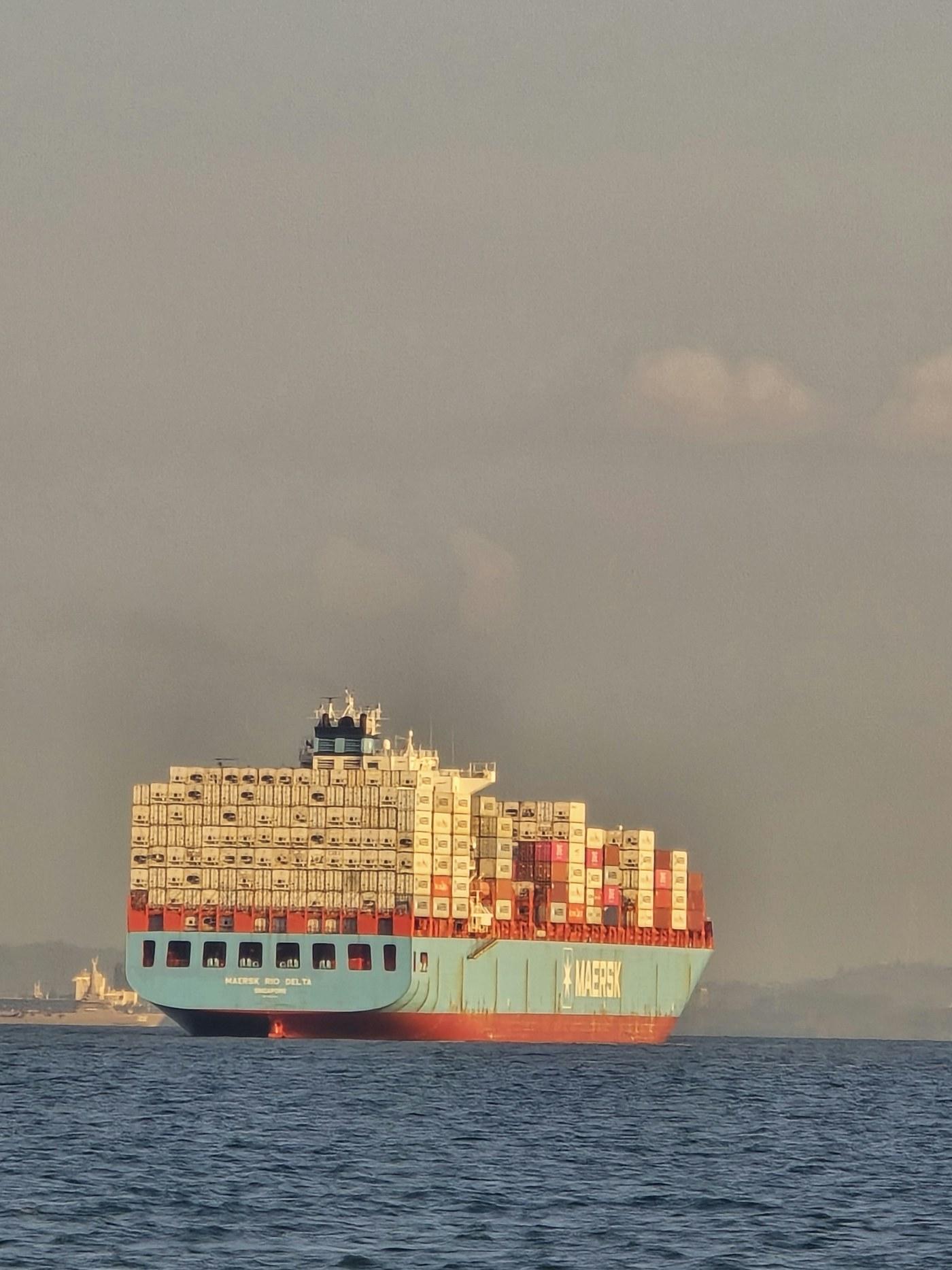
夕阳下在开阔海域航行的集装箱船
02 / 行业新闻
关键要点
  • 01中国至美西即期运价较 Q1 高点环比下降约 8%
  • 025–6 月新联盟运力投放预计将压制短期价格峰值
  • 03美国零售商在 Q3 前重建库存的需求可能在 6 月收紧舱位
  • 04高峰航线建议提前 6–8 周订舱;LCL 运价相比 2024 年仍偏高
  • 05中国—北欧运价保持坚挺;鹿特丹拥堵增加 3–5 天运输时间

Market Overview

The trans-Pacific spot market closed Q1 2026 in relatively stable territory following a surge in January driven by front-loaded shipments ahead of Lunar New Year. Shanghai Containerised Freight Index (SCFI) figures show China–US West Coast rates settling near the $2,200–$2,500 per FEU range, down roughly 8% from the Q1 peak but still meaningfully above 2024 lows.

The moderation reflects a combination of factors: additional vessel deployments from the recently restructured alliances, softer consumer electronics demand in February and March, and shippers actively drawing down safety stock built during 2025. Despite this, capacity discipline among the major carriers has prevented the kind of freefall seen in mid-2023.

Alliance Reshuffles and New Capacity

The rebalancing of the major carrier alliances that took effect in February 2025 continues to ripple through the market. The Gemini Cooperation between Maersk and Hapag-Lloyd is now fully operational on trans-Pacific strings, delivering notably improved schedule reliability — Maersk reports 95%+ on-time performance on its Asia–North America services, a figure shippers have noticed.

MSC, operating independently, has expanded its own Asia–North America services with four new vessels entering service between May and July 2026. This additional capacity — estimated at 48,000 TEU per week across the alliance field — is likely to cap any significant rate spikes through Q2 unless demand accelerates faster than expected.

Q2 Demand Signals

Retail inventory data from key North American importers suggests a moderate restocking cycle is underway. Home goods, consumer electronics, and apparel shipments from China have increased through March, and logistics teams at major retailers are accelerating Q3 bookings to secure space and avoid the June crunch that has caught importers off-guard in previous years.

The National Retail Federation's import forecast for US container volumes points to a 4.2% year-on-year increase through the summer months. Combined with seasonal demand from back-to-school and early holiday inventory builds, expect June–August to see firmer rates — potentially $3,000–$3,500 per FEU on West Coast lanes if space tightens.

China–Europe: Rotterdam Congestion

On the Asia–North Europe trades, rates have held relatively firm. The key variable is congestion at Rotterdam, currently running at 3–5 extra days on inbound vessel processing, which is creating knock-on delays for inland connections to Germany, Poland, and the Benelux distribution networks.

Shippers routing through Hamburg or Antwerp are seeing somewhat cleaner operations. If your goods are destined for central or eastern Europe, discuss rail options from Hamburg or direct China–Europe rail services with your forwarder — under current port conditions, these can be competitive with sea on total door-to-door time.

What Shippers Should Do Now

  • 01Book trans-Pacific space 6–8 weeks ahead for any June or July cargo — do not wait for spot
  • 02Consider LCL consolidation as an alternative for sub-15 CBM shipments if FCL premiums spike
  • 03Ask your forwarder about premium/priority loading options on high-value or time-sensitive goods
  • 04Model Q3 logistics costs now using $3,200 per FEU as a conservative planning rate for US West Coast
  • 05For Europe-bound cargo, check Hamburg and Antwerp routing as alternatives to Rotterdam

常见问题

Q01
2026 年 Q2 中国至美西的即期运价水平如何?

2026 年 4 月的上海出口集装箱运价指数 (SCFI) 数据显示,中国至美西运价位于每 FEU 2,200–2,500 美元区间,较 2026 年 1 月高点下降约 8%,但仍高于 2024 年低点。预计 6–8 月需求高峰期运价将攀升至每 FEU 3,000–3,500 美元。

Q02
针对 2026 年 Q2–Q3 的中美货物,我应该何时订舱?

6 月或 7 月的任何货物请提前 6–8 周订舱。等待临近开航的即期运价在旺季存在显著的甩柜风险。Q4 假期库存货物需在 2026 年 8 月初之前订舱。

Q03
Gemini 合作如何影响船期可靠性?

Maersk 与 Hapag-Lloyd 组成的 Gemini 合作在 2026 年 Q1 亚洲—北美航线实现了 95% 以上的准班率,相较 2021 年后 70–80% 的联盟格局有显著提升。

Q04
哪个欧洲港口受当前拥堵影响最小?

安特卫普目前是北欧运营表现最好的主要港口,船舶等待时间短于鹿特丹(延误 3–7 天)和汉堡(延误 2–4 天)。对于目的地为中欧或西欧的时效性货物,经由安特卫普可缩短总运输时间 3–5 天。

Q05
我应使用什么规划运价来预估 2026 年 Q3 的美西运费?

每 FEU 3,200 美元是保守的预算规划数值,反映了 Q4 假期前零售补货放量背景下 6–8 月运价预期走强。

  • [01]Shanghai Containerised Freight Index (SCFI) — Shanghai Shipping Exchange
  • [02]NRF Global Port Tracker — National Retail Federation
  • [03]Maersk Q1 2026 schedule reliability report
SZViper Operations Desk

SZViper 运营团队每日处理出口报关、船公司关系管理以及三大洲七个仓库的目的地交付。

准备发货了吗?

获取免费报价,了解 Viper Supply Chain 如何优化您从中国到世界的供应链。

立即获取免费报价