2026 年港口拥堵:如何保护您的供应链.

欧洲和北美主要集装箱港口的拥堵为刚刚从 2021–2023 年扰动周期中稳定下来的供应链带来不可预测的延误。理解当前格局有助于做好规划。
SZViper Operations Desk
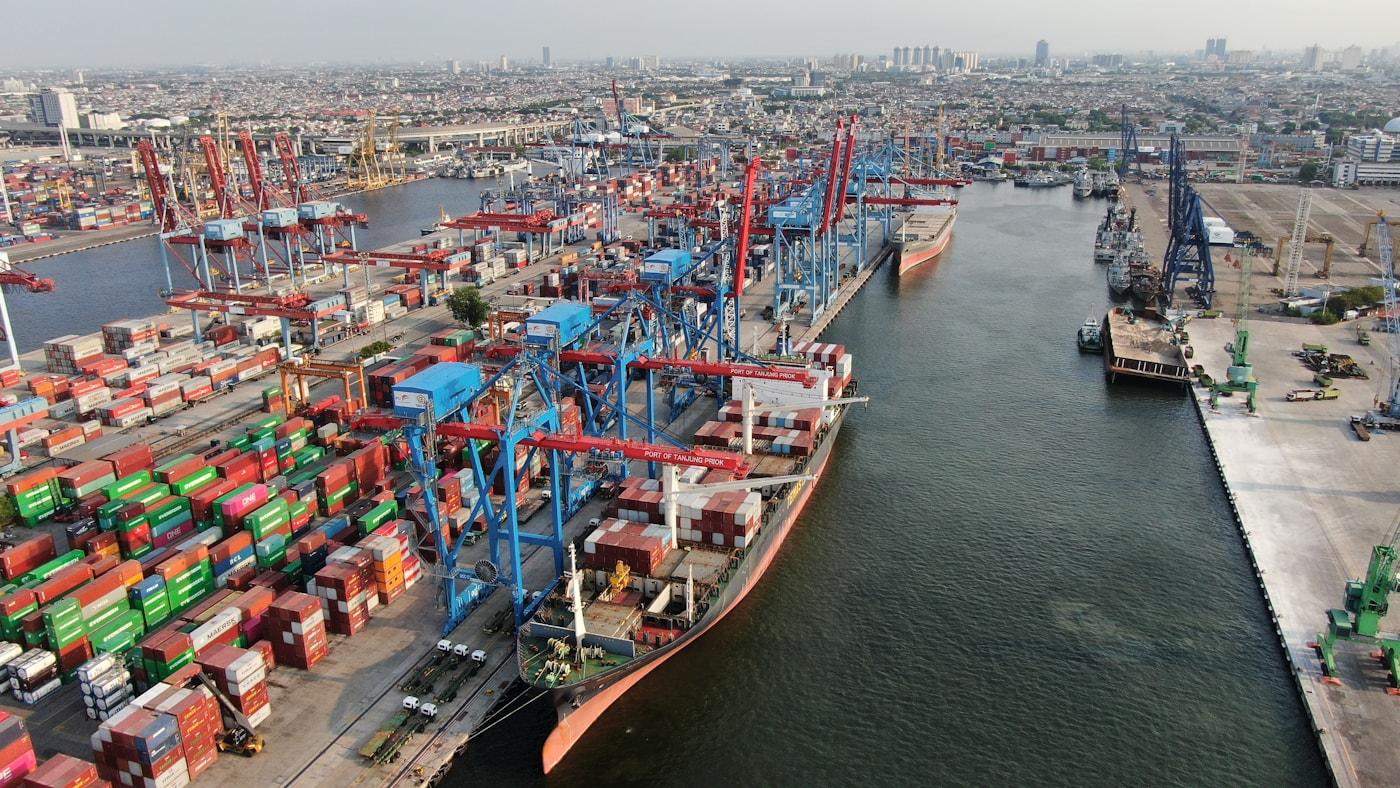
鸟瞰图中繁忙的海运港口与吊机和集装箱
07 / 行业新闻
关键要点
  • 012026 年 Q1 鹿特丹和汉堡报告船舶等待时间 3–7 天
  • 02费利克斯托拥堵缓解;安特卫普成为北欧更干净的替代选择
  • 03美东港口(纽约、萨凡纳)到港船舶积压 2–5 天
  • 04建议关键库存将安全库存从传统的 2–3 周提高到 4–6 周
  • 05从德国港口到中欧的铁路连接在当前流量下表现优于公路

The Current Situation

Global container port throughput reached record levels in late 2025 and early 2026, driven by a combination of recovered consumer demand, restocking cycles, and front-loaded shipments as importers sought to avoid anticipated tariff changes. This volume surge, combined with the knock-on effects of vessel reroutings following continued Red Sea tensions, has generated congestion at ports that were considered operationally clean as recently as mid-2024.

The pattern is uneven: some ports are handling volumes well, while others are under significant strain. Understanding which ports affect your lanes is the first step to routing around the worst delays.

Port-by-Port Situation

  • 01Rotterdam (Netherlands): 3–7 day vessel wait times; berth availability tight; inland connections via barge improving but road drayage congested
  • 02Hamburg (Germany): 2–4 day delays at CTA terminal; better rail connections making Hamburg a viable alternative for central European distribution
  • 03Antwerp (Belgium): Currently the best-performing major Northern European port — consider this for time-sensitive European cargo
  • 04Felixstowe (UK): Congestion easing after peak; 1–3 day vessel waits; customs clearance at Tilbury sometimes faster
  • 05New York/New Jersey (US): 2–5 day anchorage waits; inland chassis shortage adding to drayage delays
  • 06Savannah (US): Running more smoothly than NYNJ; strong intermodal connections for US Southeast and Midwest distribution
  • 07Long Beach/LA (US West Coast): Relatively stable at present; watch Q2 as restocking volumes build

Impact on Transit Times

The practical impact on shippers is a transit time uncertainty that makes traditional just-in-time inventory models risky. A shipment that nominally takes 28 days from Shenzhen to Rotterdam can arrive in 31–38 days under current conditions, with no reliable way to predict which end of that range applies to any given sailing.

For businesses that have tightened inventory to reduce working capital, this variability is costly: stockouts, expediting fees, and the premium of emergency air freight can far exceed the savings from running lean stock. The companies managing port congestion best in 2026 are those that have accepted a structural increase in their safety stock requirements and priced it into their models.

Mitigation Strategies

  • 01Build 4–6 weeks safety stock for fast-moving or margin-critical SKUs — the 2-week buffer that worked pre-2020 is no longer sufficient on congested lanes
  • 02Diversify port routing where possible: if Rotterdam is your default, ask your forwarder to quote Hamburg or Antwerp as alternatives
  • 03Use rail for inland European distribution from Hamburg — current road congestion around major ports makes rail competitive on transit time to Germany, Austria, and Poland
  • 04Book space earlier — carrier block bookings and long-term contracts provide priority loading that spot bookings often cannot
  • 05Consider air freight as a partial solution for high-value, low-volume cargo that cannot tolerate port variability
  • 06Use a forwarder with real-time vessel tracking and proactive exception management — knowing about a delay 5 days before it affects your delivery window beats knowing on delivery day

Looking Ahead

Port congestion is unlikely to resolve quickly. Structural factors — including fleet deployment patterns from the alliance reshuffles, the ongoing Red Sea routing detour, and sustained import demand — suggest elevated variability through at least Q3 2026. Shippers should plan accordingly, and engage their freight forwarder now to review routing and contingency options before the June–July peak season adds further pressure.

常见问题

Q01
2026 年哪些主要港口拥堵最严重?

截至 2026 年 Q1,鹿特丹(船舶等待 3–7 天)、纽约/新泽西(锚地等待 2–5 天)和汉堡(CTA 延误 2–4 天)是拥堵最严重的主要集装箱港口。安特卫普、长滩/洛杉矶和萨凡纳运营相对顺畅。

Q02
2026 年进口商应保持多少安全库存?

为高周转或高毛利关键 SKU 建立 4–6 周的安全库存。鉴于当前运输时间的不稳定性,2020 年前的 2 周缓冲已不再充足。缺货成本加上紧急空运溢价通常超过库存增加带来的营运资金成本。

Q03
安特卫普是鹿特丹的可行替代方案吗?

是的。安特卫普是目前北欧运营最好的主要港口,在多数贸易航线上可作为鹿特丹的可行替代。该港与德国、法国及比荷卢分销网络的内陆连接良好,并且是大多数亚欧服务的直接挂靠港。

Q04
在欧洲分销中,铁路是否具备与公路竞争的能力?

是的,在当前公路拥堵条件下。从汉堡到中欧(德国、奥地利、波兰、捷克)的铁路连接在运输时间和可靠性上均优于公路。当经由德国港口时,请与您的货代讨论铁路方案。

Q05
港口拥堵会在 2026 年缓解吗?

不太可能快速缓解。结构性因素 — 联盟重新部署、红海绕行、持续的进口需求 — 提示至少到 2026 年 Q3 变数仍会较大。应基于当前情况进行规划,而非假设短期内恢复正常。

  • [01]Dynaliners weekly port productivity report
  • [02]Hamburg Port Authority operational updates
  • [03]Port of Antwerp–Bruges throughput data
SZViper Operations Desk

SZViper 运营团队每日处理出口报关、船公司关系管理以及三大洲七个仓库的目的地交付。

准备发货了吗?

获取免费报价,了解 Viper Supply Chain 如何优化您从中国到世界的供应链。

立即获取免费报价